


SpaceX IPO: Elon Musk's Space Data Centers and Grand Plans
On Friday, SpaceX will hit the stock market, and investors are awaiting this event with great excitement. Reports indicate that demand for the $75 billion share offering is extremely high, with some institutional investors ready to purchase $10 billion blocks of Elon Musk's empire. Although major IPOs often fail and the company is currently operating at a loss, tech investors have already learned not to bet against Musk. This is reported by Techcrunch.com reports .
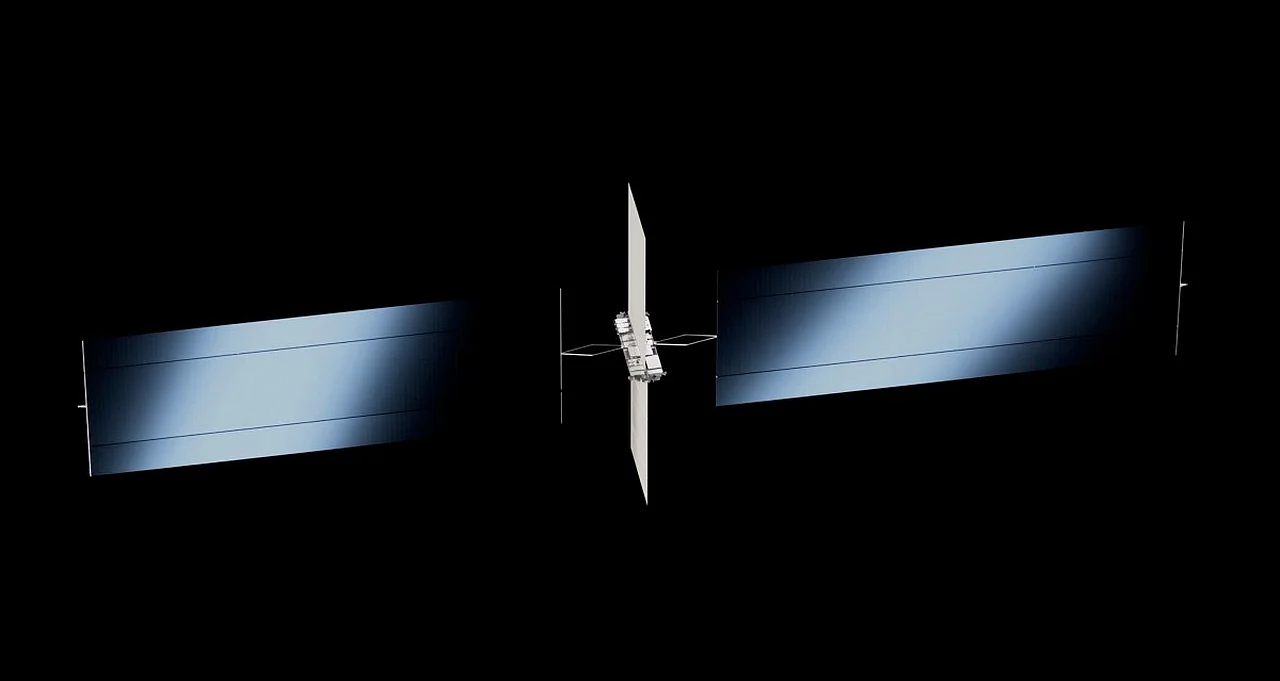
The foundation of SpaceX's financial plans is the orbital data center business, which has taken shape over the last 18 months. Through this vision, Musk aims to consolidate his conglomerate ahead of the IPO. This grand scheme requires at least three complex engineering achievements: a reusable rocket, a new American chip factory, and satellite production at an unprecedented speed. Such a business plan is dividing analysts regarding the company's valuation.
Research firm Morningstar and New York University professor Aswath Damodaran value SpaceX lower than the $1.8 trillion cited by bankers. Morningstar valued the company at $825 billion, while Damodaran estimated it at $1.2 trillion. This discrepancy is the result of combining the world's largest space monopoly with the much riskier AI business. Analysts believe that while the company's space launch and Starlink network are the most attractive parts, the AI direction remains the most uncertain.
In its S-1 report, SpaceX sees the primary opportunity in the corporate AI sector. The company is relying on programming tools acquired from the Cursor team and the Macrohard project, which is focused on creating digital agents that perform white-collar work. SpaceX has estimated the size of this market at $22.7 trillion. At the same time, the company has signed contracts to sell large amounts of computing power to giants like its competitors Anthropic and Google.
Such a strategy is not foreign to Musk's companies: SpaceX often launches the satellites of Starlink competitors into space as well. However, in the current situation, the company is acting not as a leader, but as a chaser. Operating as a "neocloud" provider may be profitable in the short term, but the main question remains open: is it better to be a computing power supplier in the AI technology chain or a model creator?



Comments 0
…