


Airbus Begins Development of Next-Generation A320 Successor
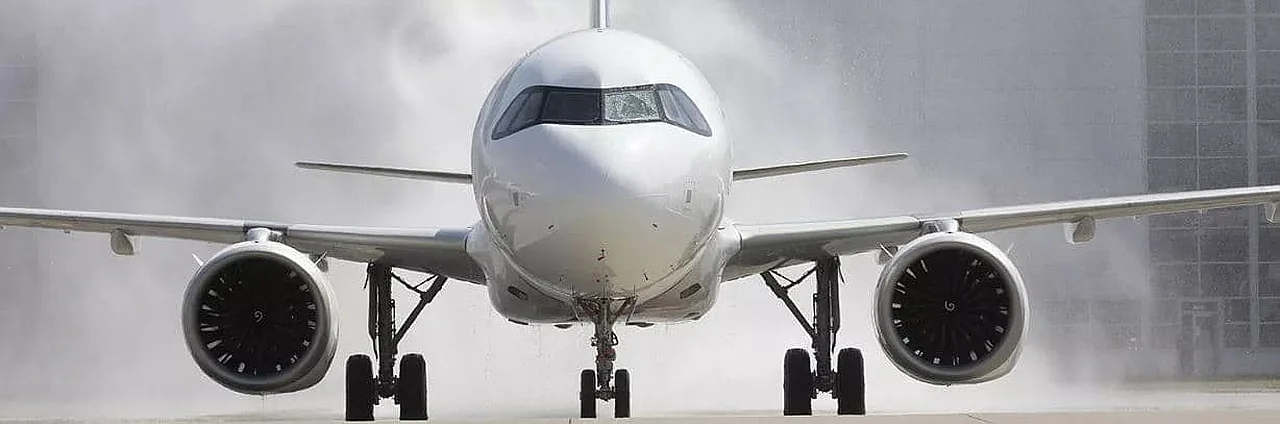
Airbus, one of the world's largest aviation corporations, has officially confirmed that it has started work on a new model to replace its most popular and successful A320 family of aircraft. This project is expected to shift the balance of power in the aviation market and take passenger transport efficiency to a new level. This is reported by Ixbt.com news reports.
In an interview with Aviation Week, Airbus CEO Guillaume Faury announced that the development process for the new narrow-body aircraft will begin in 2030. The project, known internally as eAction, is planned for commercial entry into service in the second half of the 2030s. This indicates that the era of the A320neo models, currently considered the "workhorse" of global aviation, is gradually coming to an end.
Hydrogen Engines Abandoned
One of the most significant updates within the project is that Airbus has abandoned the idea of using hydrogen fuel in its serial passenger aircraft. Previously, the company had high hopes for eco-friendly hydrogen technologies, but it has become clear that this approach is not currently viable. According to Guillaume Faury, this decision is linked not only to design complexities but also to the lack of necessary infrastructure.The lack of hydrogen production, the absence of a delivery system, and uncertainties in international aviation regulations forced Airbus engineers to return to the path of gradual improvement of existing technologies. Now, the primary focus will be on improving aerodynamics and creating traditional yet ultra-efficient engines.
Technological Innovations and the CFM RISE Engine
One of the most promising directions being considered for the new platform is the CFM RISE Open Fan engines. This technology allows for a significant reduction in fuel consumption compared to current turbofan engines. This engine is currently in the testing phase, and its efficiency could determine the success of the new aircraft.Additionally, Airbus may deviate from the traditional approach and not offer a choice between two different engines for a single aircraft. If only one manufacturer can create a power plant that meets the specified requirements, the new liner will be equipped only with that engine type. This will serve to simplify the production process and reduce costs.
The production of the A320neo will not stop after the new model enters the market — both generations will be assembled in parallel for a certain period. Airbus is considering the possibility of assembling the new aircraft not only at factories in Europe (Toulouse and Hamburg) but also at plants in the USA and China. For regional carriers like Uzbekistan, this means the opportunity to acquire more economical and modern aircraft in the future.


Comments 0
…