


Startup That Sued Tesla Unveils Human-Like Robot Technology
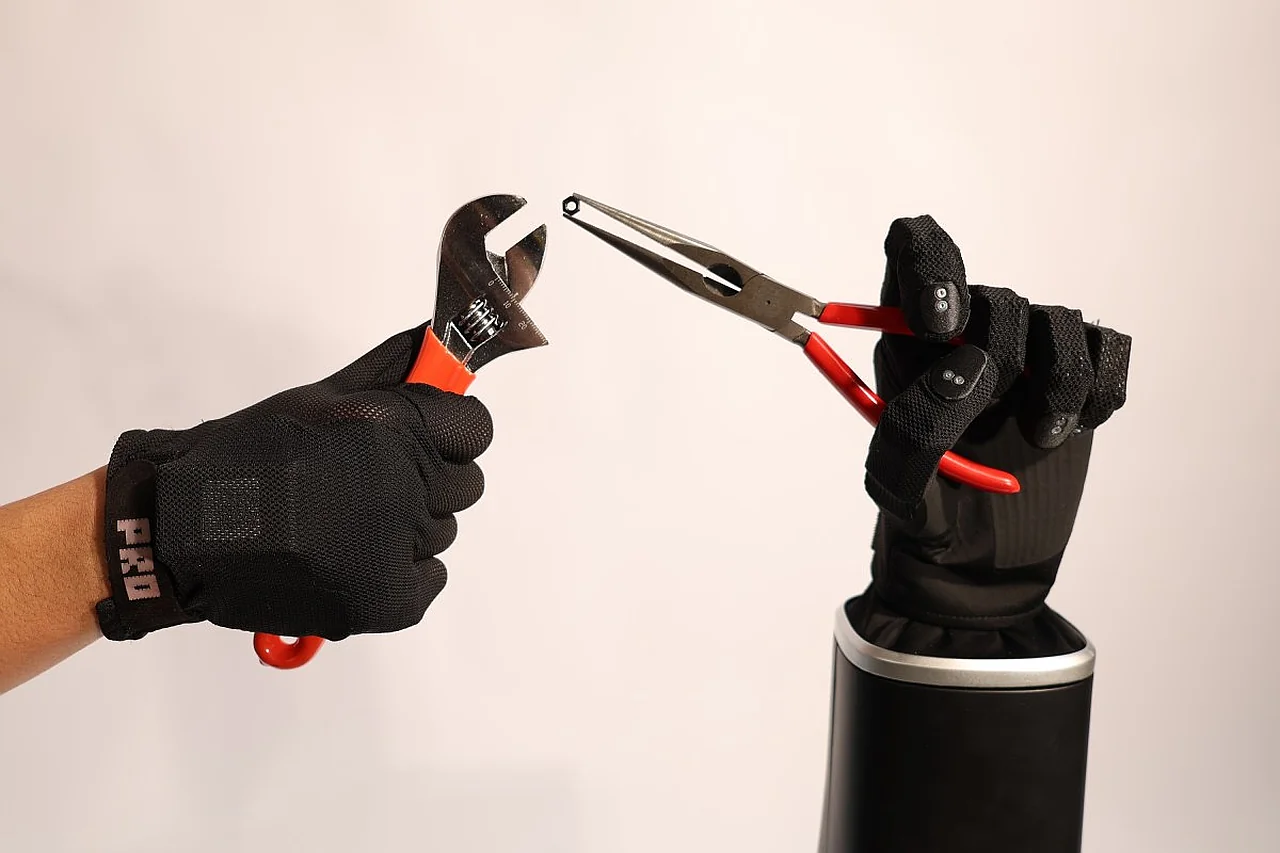
Proception, a startup known in the robotics world for a high-profile legal battle, has announced a settlement with Tesla. Company founder Jay Li previously served as the technical lead for the Optimus humanoid robot project at the Tesla corporation led by Elon Musk. Accused by his former employer of stealing trade secrets, Li has now left all legal hurdles behind and is taking his independent project to the next level. This is reported by Techcrunch.com news reports.
In an exclusive interview with TechCrunch, Jay Li described the legal process with Tesla as a kind of "stress test." According to him, surviving under such pressure serves as a foundation for the startup's future success. After Tesla withdrew its claim earlier this month, Proception focused all its attention on its primary goal: creating high-precision robotic hands that move like human hands.
Investments and New Products
Simultaneously with the conclusion of the legal process, Proception announced it had raised $11 million in seed investment. This funding round was led by First Round Capital, with prestigious investors such as Y Combinator and BoxGroup also participating. These funds will be directed toward solving one of the most complex problems in robotics: dexterous manipulation.Starting Monday, the company began delivering its first batch of "high-dexterity robotic hands" to researchers and robotics companies. Jay Li's goal is to become a global leading supplier of devices capable of replicating the complex movements of a human hand. This allows many companies to use ready-made, perfected solutions instead of developing their own robots from scratch.
Industry Expert Perspectives
Interestingly, the problem of robotic hands has been recognized by Elon Musk himself as one of the most difficult engineering tasks. While Musk emphasizes that his Optimus robots will start working in factories in the coming years, many independent experts remain skeptical. For example, Northwestern University professor Kevin Lynch predicted that it would take at least another ten years to create robots as functional as a human hand.However, the Proception team believes they can significantly accelerate this process due to their unique method of data collection. Although billions of dollars are currently being invested in robotics, the fine movements of fingers (dexterous manipulation) remain the weakest point. This news is also important for technology enthusiasts in Uzbekistan, as such manipulators will play a key role in industrial automation in the future.
In conclusion, having successfully navigated a legal battle with a giant like Tesla, Proception now aims to make its mark in the technological race. If Jay Li and his team can transfer human hand capabilities to robots, it could revolutionize not only manufacturing but also medicine and the service sector.


Comments 0
…