


Energy Crisis Risk in the US: AI Surge and New Restrictions Clash
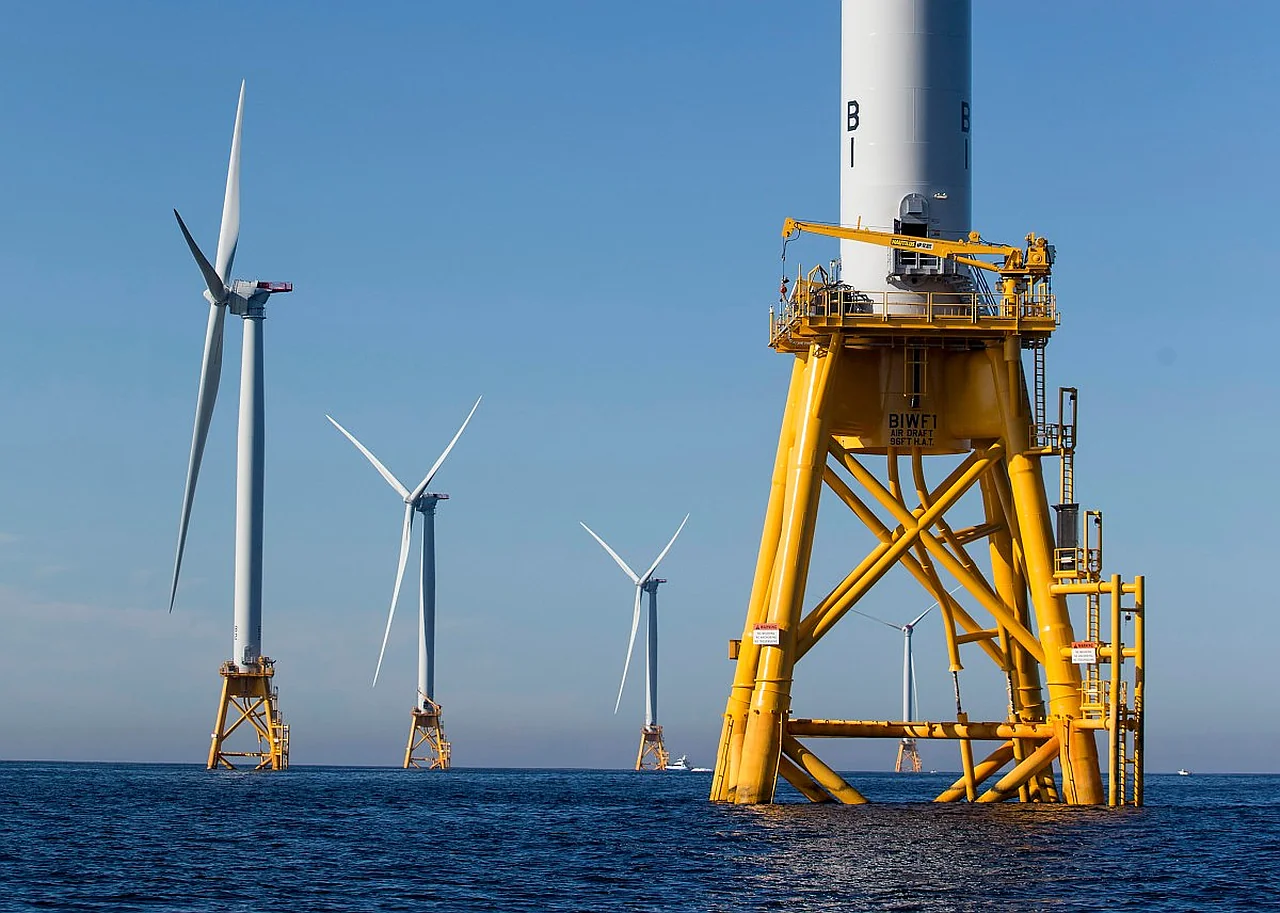
Bureaucratic hurdles and increasingly complex licensing processes introduced by the new US administration are jeopardizing the addition of 92 GW of new capacity to the country's energy system. According to a report by consulting firm Wood Mackenzie, this situation could lead to serious problems at a time when demand for electricity is surging, primarily due to AI data centers. This is reported by Techcrunch.com news reports.
Currently, 7 GW of projects planned on federal lands have been canceled, while additional reviews are expected to stall another 12 GW of federal and 80 GW of private projects. These processes put over $121 billion in energy sector investments at risk. This could be an unexpected blow to the US economy, which strives for leadership in the global technological race.
The AI and Energy Shortage Problem
For the last twenty years, electricity demand in the US had barely grown, but the popularity of ChatGPT and other large language models has fundamentally changed the situation. According to BloombergNEF analysts, energy consumption by data centers will nearly triple by 2035. In such conditions, any delay in connecting new generation capacities to the grid could easily lead to a systemic crisis.The complexity of the situation is that the largest grid operators in the US have significantly slowed down the connection of new sources to the system over the last four years. This is forcing tech giants like Apple, Google, and Microsoft to seek ways to build independent power plants for their data centers. Otherwise, the expansion of AI infrastructure could stall due to energy shortages.
Renewable Energy Under Fire
According to Wood Mackenzie, nearly 90% of new capacity commissioned in 2025 consisted of solar, wind, and energy storage systems. However, a new decree signed by US Secretary of the Interior Doug Burgum aims to restrict solar and wind energy projects, labeling them "environmentally harmful." This is bound to slow down growth rates in the green energy sector.Interestingly, Doug Burgum actively supported wind energy during his time as Governor of North Dakota, aiming to make the state carbon neutral by 2030. Now, the shift in federal policy leaves the fate of large projects in states like Oregon, Alabama, Minnesota, and Montana uncertain. Specifically, solar plants near private wetlands and wind farms that do not comply with airspace regulations are under the most pressure.
In conclusion, this turn in US energy policy could affect not only climate goals but also the country's technological sovereignty. In the era of AI, energy is the new currency, and bureaucratic barriers to its delivery risk reducing competitiveness in the global market.


Comments 0
…