


NASA Plans to Send Nuclear-Powered Promise Rover to the Moon
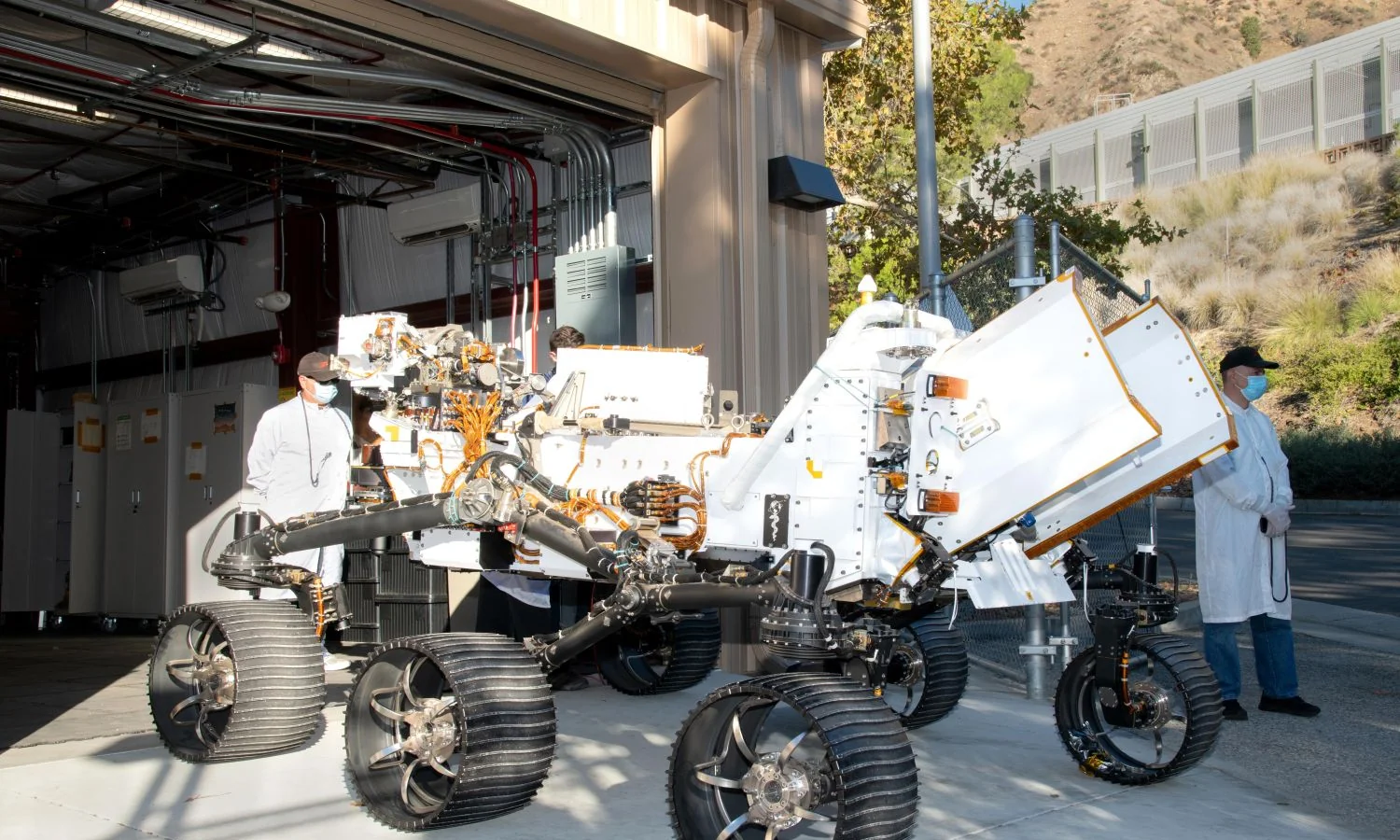
The US National Aeronautics and Space Administration (NASA) is on the verge of taking an unexpected and bold step in space exploration. Agency specialists are seriously considering the possibility of sending a full-scale replica of the Perseverance rover, currently operating on Mars, to the Moon's South Pole. This device, currently used as a test object at the Jet Propulsion Laboratory in California, was not intended for space flight, but the need to accelerate the lunar mission has changed the plans. This is reported by Ixbt.com news reports.
The rover, dubbed Promise, is car-sized, and its main advantage is said to be its power source. According to NASA, the device is planned to be equipped with a Multi-Mission Radioisotope Thermoelectric Generator (MMRTG). This will ensure the rover's continuous operation even in areas without sunlight and with extremely complex terrain.
Advantages of Nuclear Energy
Most of NASA's apparatus, including many modules landing on the Moon, rely on solar energy. However, because the lunar night is long and extremely cold, equipment equipped with solar panels often fails or temporarily ceases operation. The nuclear MMRTG generator converts heat generated by the decay of plutonium-238 into electrical energy, allowing the rover to survive under any conditions.NASA astronaut Jared Isaacman noted that the Promise mission could be an important step toward building a lunar base. The agency currently has sufficient plutonium reserves to guarantee the device's uninterrupted operation for many years. This will allow scientists to explore even the darkest craters of the Moon.
Delivery Issues and Cooperation
Delivering such a large rover, weighing nearly 1 ton, to the lunar surface is no easy task. Therefore, NASA intends to cooperate with private sector representatives in this mission. To deliver the Promise rover to its destination, Blue Origin's Blue Moon module or SpaceX's Starship spacecraft could be used.Project lead Carlos Garcia-Galán described this opportunity as "astonishing." According to him, using existing technology will help save both time and money. Most importantly, thanks to the nuclear power source, researchers will be able to conduct studies at any point on our planet's natural satellite without fearing the lunar night.
If this mission is carried out, Promise will become the most powerful and durable rover on the lunar surface. This is expected to play a decisive role in creating the infrastructure necessary for humanity's permanent residence on the Moon in the future.


Comments 0
…