


China Prepares Response to SpaceX Technology: Kinecore-2 Engine Sets Record
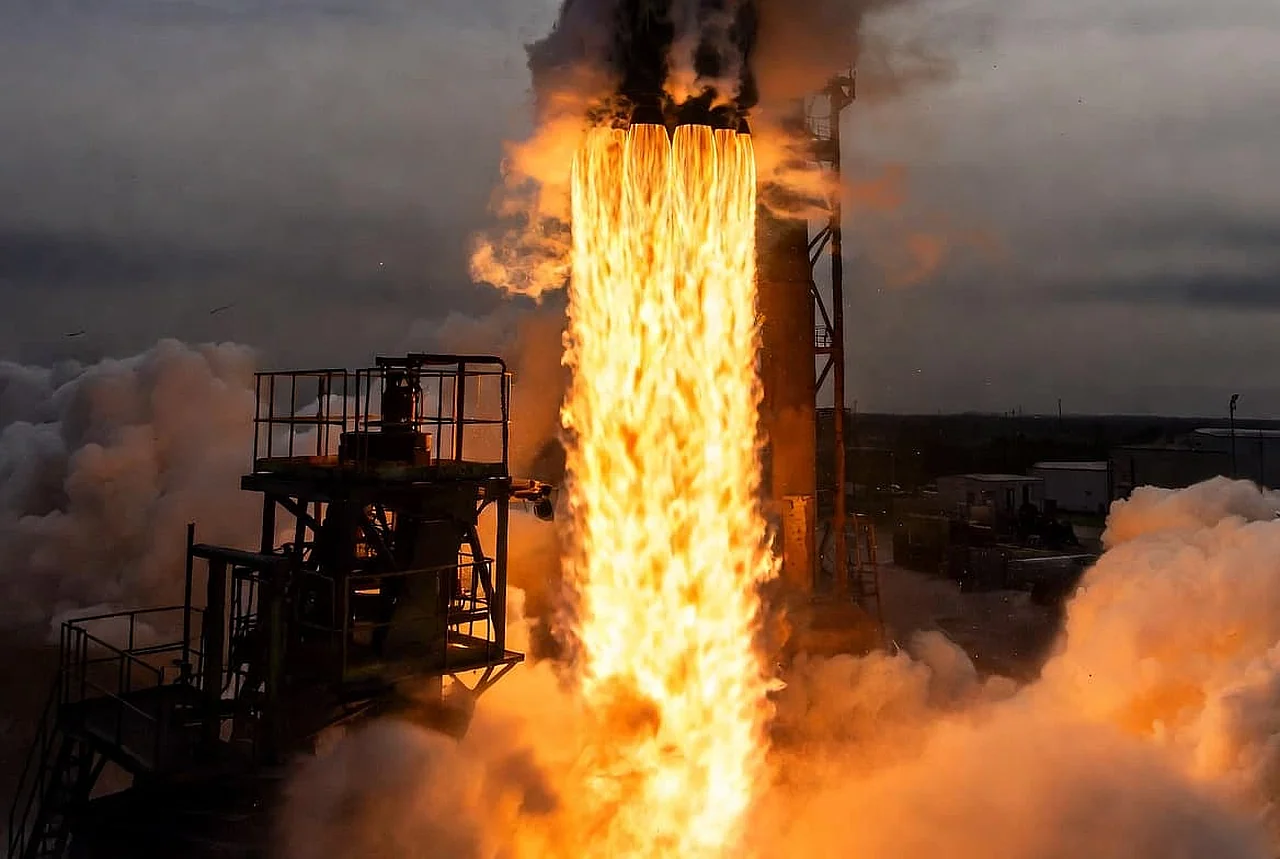
China's space exploration program is entering a new stage. The country's liquid-fuel Kinecore-2 rocket engine has successfully passed long-term qualification tests, recording durability results higher than expected. This engine is expected to be the foundation not only for standard flights but also for reusable rocket systems. This is reported by Ixbt.com news reports.
During final tests, the Kinecore-2 engine operated continuously for a total of 620 seconds. This figure is nearly 3.5 times longer than the time required for a standard orbital mission. Additionally, a continuous burn period of 400 seconds was recorded during the testing process, which is an absolute record for engines in this series. According to ixbt.com, such a power reserve indicates the extreme reliability of the device.
A Worthy Rival to the SpaceX Merlin 1D Engine
Technically, the Kinecore-2 operates on a mixture of liquid oxygen and kerosene, which are considered classic components for modern rocket systems. It can generate approximately 110 tons of thrust. With its characteristics, it is considered an alternative to the Merlin 1D engine used in the famous Falcon 9 rockets of Elon Musk's SpaceX.Developers state that the testing program has already moved to the next stage. The engine is currently undergoing complex reliability checks in various operating modes. In total, the engine's operating time in tests has exceeded 2000 seconds, representing serious preparation before the unit is readied for real flights.
The Future of the Lijian-2 Rocket
Kinecore-2 is planned to become the core element of China's reusable Lijian-2 launch vehicle in the future. This rocket is being developed for regular commercial space cargo transport and to maximize the reduction of preparation time between flights.This achievement by China will further intensify competition in the global space market. Approaching the standards set by SpaceX is part of Beijing's strategy to reduce space access costs and increase its share in the private satellite market. Such technological growth is also interesting for Uzbek specialists, as the emergence of cheaper orbital carriers opens new opportunities for regional communication and monitoring projects.
Final certification processes for the Kinecore-2 engine are currently underway. If all stages are successfully completed, the Lijian-2 could perform its first orbital flight in the coming years and become a primary competitor to the Falcon 9.


Comments 0
…