


Revolution in Nuclear Energy: Rosatom Presents Plasma Processing Technology
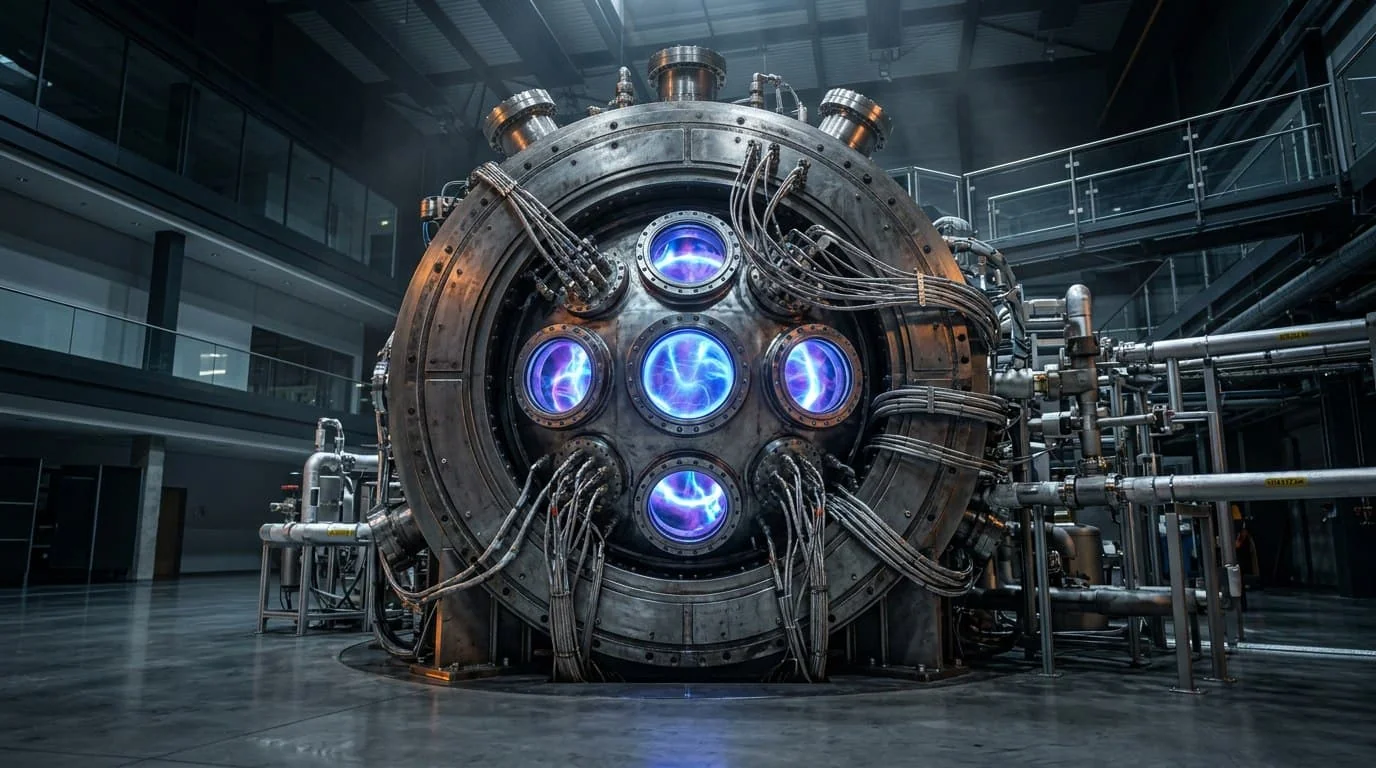
Scientists from Russia's Rosatom State Corporation have demonstrated a technology expected to launch a fundamentally new stage in the field of nuclear energy. Presented at the Tomsk International Energy Forum, this development is based on the plasma separation method for reprocessing spent nuclear fuel. This method differs completely from traditional chemical processes, bringing environmental safety and economic efficiency to a new level. This is reported by Ixbt.com news reports.
The new technology was developed within the "Proriv" (Breakthrough) project, and its core essence consists of separating substances based on the difference in their mass rather than through chemical reactions. During the process, the nuclear fuel is brought to a plasma state and divided into components under the influence of strong electromagnetic fields. This allows for the high-precision separation of valuable uranium and plutonium from radioactive waste.
Advantages over traditional methods
According to Valentin Smirnov, an academician of the Russian Academy of Sciences, the plasma separation method has several important advantages over traditional hydrometallurgical processes. First, this technology is characterized by the almost complete absence of an auxiliary recirculation medium. This serves to drastically reduce the amount of secondary waste generated during the reprocessing process.Second, the new approach possesses a "greedy" (universal flexibility) characteristic regarding various components. That is, the device can efficiently reprocess fuel regardless of its composition and state. This significantly lowers the project cost by reducing production areas and the number of required equipment units.
Conducted experiments have already proven the viability of the technology. Scientists succeeded in successfully separating model mixtures of substances, finding optimal solutions for transitioning them to a plasma state, and ensuring the continuity of the work process. These results provide a solid foundation for moving from laboratory conditions to an industrial scale.
Future plans and prospects
According to ixbt.com, the next stage of the project involves creating a new generation device by 2027. Using this device, key engineering solutions will be tested in practice, and the possibilities for implementing the technology into large-scale production will be evaluated.For countries like Uzbekistan that are planning to develop nuclear energy, such technologies could be of great importance in the future. The issue of nuclear waste utilization and closing the fuel cycle is an integral part of global energy security. The solution offered by Rosatom serves to make nuclear power plants an even cleaner and more stable energy source.


Comments 0
…