


Intel Aims to Save Budget PC Market: Production of Older Processors to Resume
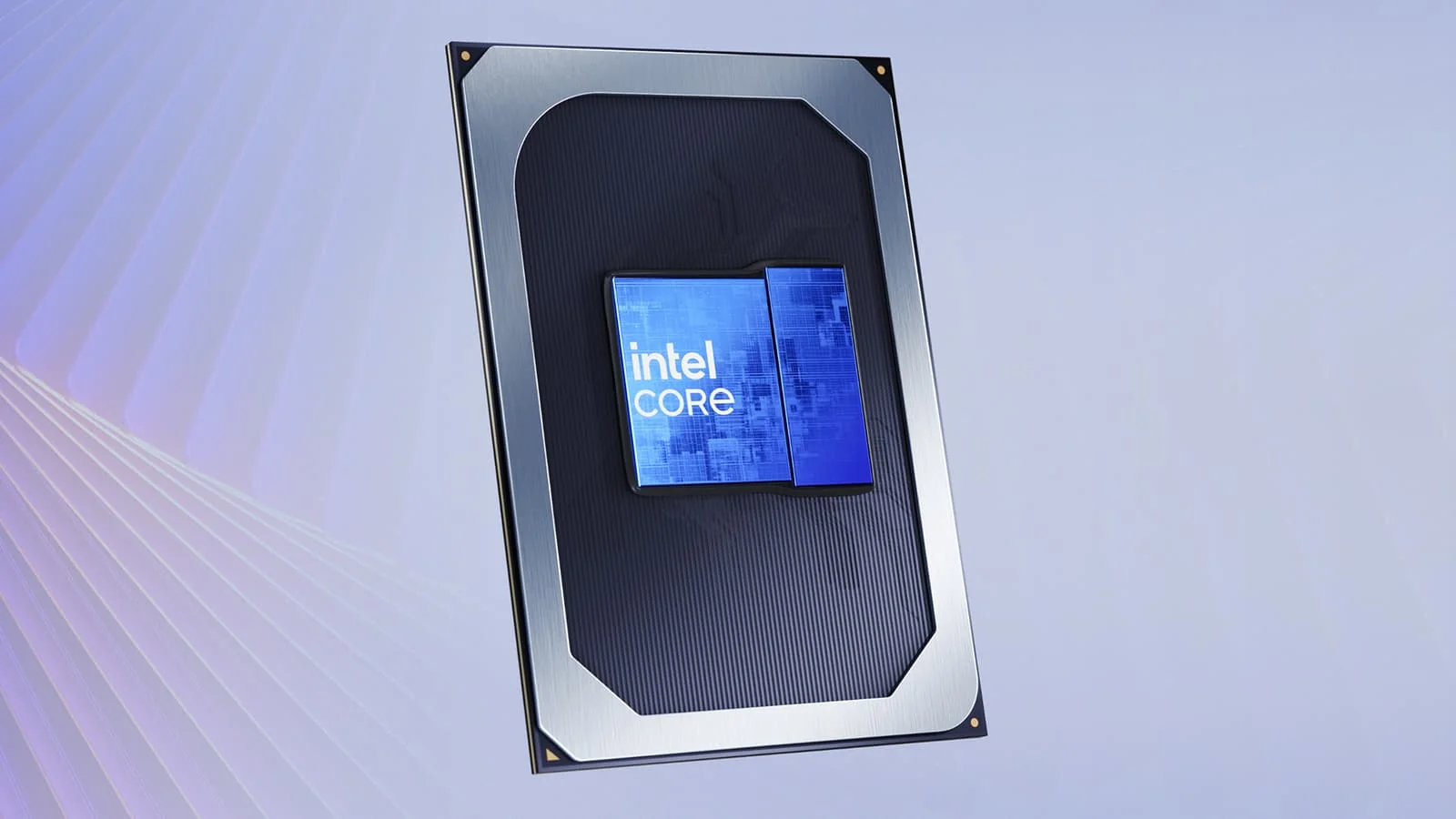
Intel, the world's leading chip manufacturer, has decided to implement an unexpected strategy in the personal computer market. The company is not only focusing on next-generation products but also plans to resume the production of older generation processors and increase their supply volumes. This step is primarily aimed at reducing the cost of assembling budget systems. This is reported by Ixbt.com news reports.
According to information from the Channel Gate resource, starting from the third quarter of 2026, Intel will begin releasing its Core 10th and 12th generation processors in large quantities. Most interestingly, the company aims to put Core 13th and 14th (Raptor Lake) models, which were expected to be discontinued, back on the conveyor. This decision is a rare occurrence in the tech world.
The Importance of DDR4 Memory and Market Conjuncture
One of the main reasons for this decision is the situation in the RAM market. Currently, the price of modern DDR5 memory modules remains high and continues to grow. Intel intends to offer users a cheaper alternative by keeping older platforms that support DDR4 memory (e.g., LGA1700) in the market.Distributors are being advised to more actively promote DDR4-based systems in retail. This is also very relevant for markets like Uzbekistan, where the price factor is critical. This is because switching to a new platform requires purchasing not only a processor but also a more expensive motherboard and memory. Older generation chips remain competitive due to their performance-to-price ratio.
Future Plans: Raptor Lake Next
Additionally, insiders are providing information about the Raptor Lake Next family, which Intel may introduce in 2027. According to estimates, these processors will belong to the Core 200 series and will be a slightly improved version of the existing architecture. This indicates that Intel wants to maximize the lifespan of the LGA1700 socket, one of its most successful platforms.In conclusion, Intel's strategy could be ideal for users who want to build a PC but are not ready to spend a large amount of money. The company is targeting modern DDR5 systems only at professional users who need high performance, while bringing back reliable and affordable older models for the mass segment.


Comments 0
…