


A Serious Rival to Starlink: Amazon Launches Its Satellite Internet
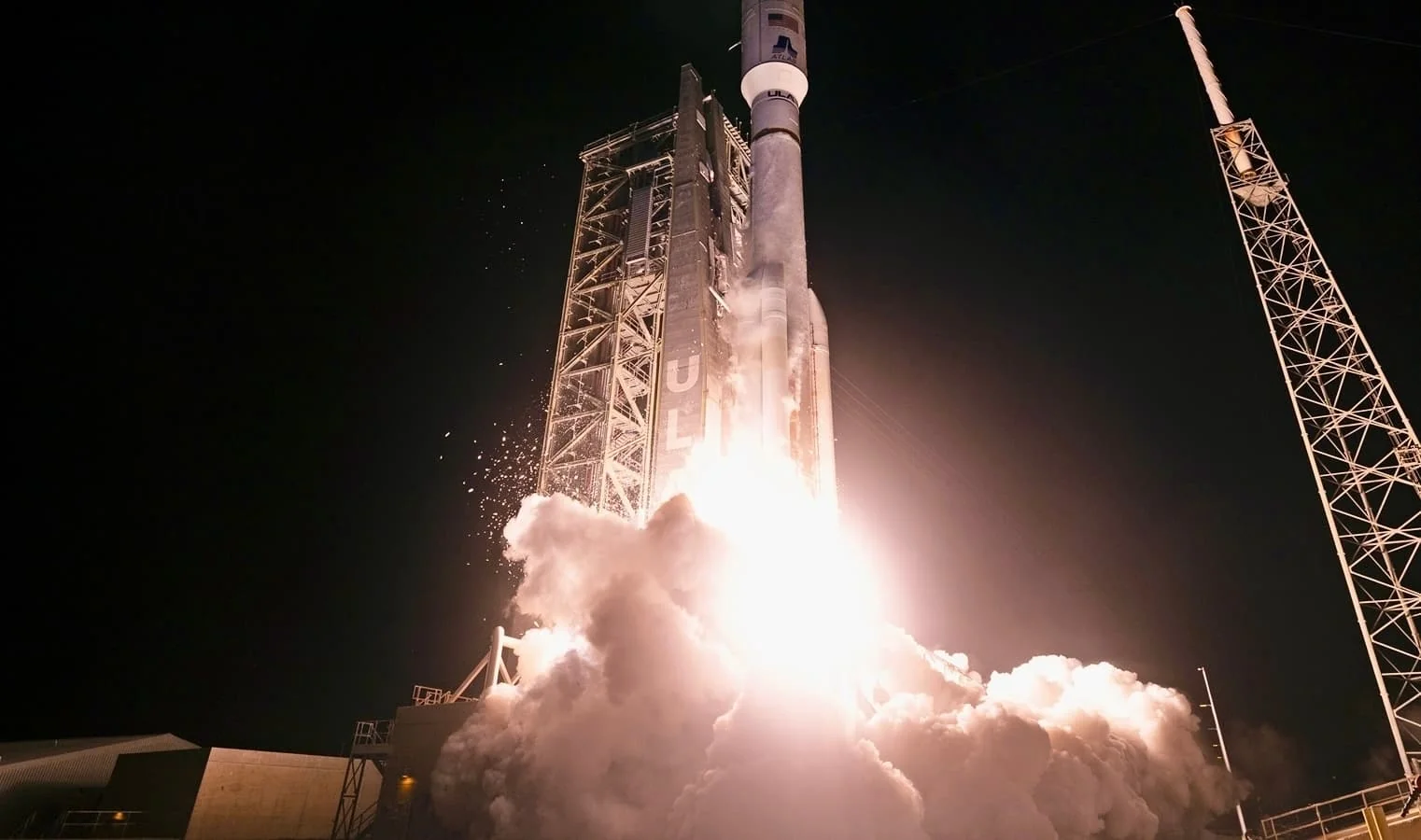
For a long time, SpaceX's Starlink project has dominated the global high-speed satellite internet market. However, tech giant Amazon has managed to launch a sufficient number of satellites into orbit as part of its Leo (Project Kuiper) project and announced that it will soon begin providing commercial services. This step is expected to be an important milestone in expanding global internet coverage and ensuring price competitiveness. This is reported by Ixbt.com reports .
According to Chris Weber, Vice President responsible for Amazon's Leo project, more than 390 satellites are currently deployed in orbit. The expert noted that this number is sufficient to ensure continuous connectivity at certain latitudes. According to ixbt.com, the company plans to start serving initial customers by the end of this year, and the service will be fully opened to the general public in 2026.
Three types of terminals for different needs
Amazon offers its users three types of receiving devices (receivers) based on their needs and capabilities. This allows users to choose a solution that is suitable not only for home use but also for large enterprises and moving vehicles:- Nano: a compact 7x7 inch device that provides download speeds of up to 100 Mbps;
- Pro: a standard 11x11 inch model that can reach speeds of up to 400 Mbps;
- Ultra: the most powerful 20x30 inch terminal that guarantees high-speed internet of up to 1 Gbps.
Such technologies are very important for countries like Uzbekistan, which have many mountainous regions and remote villages where it is difficult for fiber-optic internet to reach. Increased competition with Starlink will serve to lower prices and improve the quality of satellite internet in the future. With the launch of Amazon's Leo project, the choice in the global market will expand.
Future missions will focus not only on expanding coverage but also on increasing data transmission capacity. By leveraging its cloud technologies and global infrastructure, Amazon aims to make the Leo project attractive not only to individuals but also to governments and large corporations.


Comments 0
…