


AI Race: Microsoft and Startups Bet on Fusion Energy
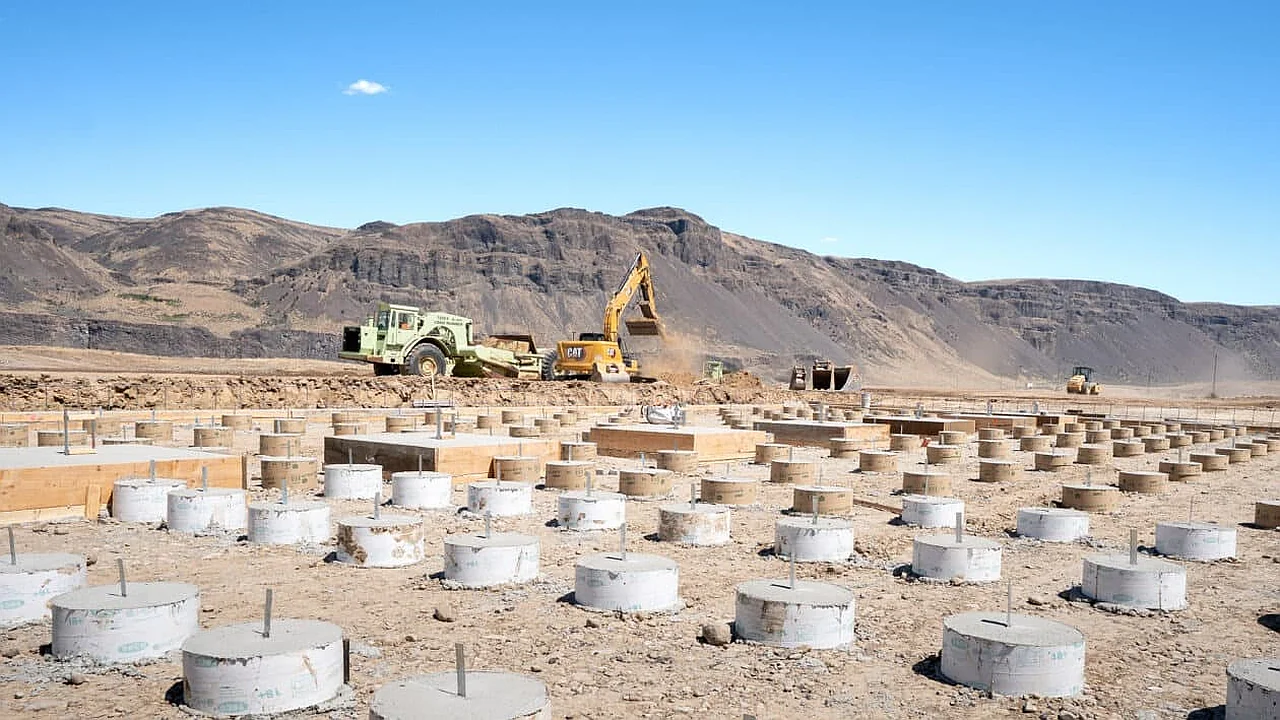
Amid the rapid development of AI technologies and the sharp increase in data-center energy consumption, major technology giants are forced to seek alternative energy sources. Today, at the center of this race are two Washington-based startups — Helion Energy and Zap Energy. They are attempting to commercialize fusion technology that has remained only in the theoretical and experimental stages for decades. Ixbt.com reports on this.
Helion Energy has already signed a contract with Microsoft to supply electricity to future data centers. The company plans to launch the world's first commercial fusion device by 2028. Currently, the Orion station with a capacity of 50 megawatts is under construction toward this goal. A total of 1.5 billion dollars in investment has been attracted to the project, making it one of the largest financial indicators in the field.
New Technological Approaches
Helion Energy's technology is based on the magnetic compression method of plasma. In this process, superheated plasma is accelerated to speeds of up to 1 million miles per hour and compressed using powerful magnetic fields. The resulting energy is expected to be converted directly into electric current without a traditional steam cycle. According to ixbt.com, the company is simultaneously working on a smaller experimental stand called Tiny Merge to achieve results within the set short timeframes.On the other hand, the Zap Energy startup is offering its alternative approach. This project, supported by the US Department of Energy (DOE), uses the Z-pinch method. In this process, plasma is compressed using a powerful electric current, creating its own magnetic field. Zap Energy has so far raised 330 million dollars in investment and is building its strategy somewhat differently.
Zap Energy plans to use not only fusion but also traditional nuclear fission technology. The startup aims to generate interim revenue by creating a 10-megawatt micro-reactor based on Toshiba solutions. This is the world's first official project combining fusion and nuclear fission strategies. According to company representatives, this approach enables faster market deployment of energy solutions for AI infrastructure and risk reduction.
Global Competition and Future Challenges
Today, more than 50 companies worldwide are working on fusion energy. Among them are the following major projects:- Commonwealth Fusion Systems;
- Avalanche Energy;
- General Fusion;
- China's large-scale state programs.
In conclusion, fusion energy is no longer simply a fundamental scientific goal but has become an infrastructural race to sustain the AI economy. The growing demand for electricity from data centers serves as the key factor determining the viability of such innovative projects.


Comments 0
…