


1X unveils highly sensitive human-like hands for its NEO robot
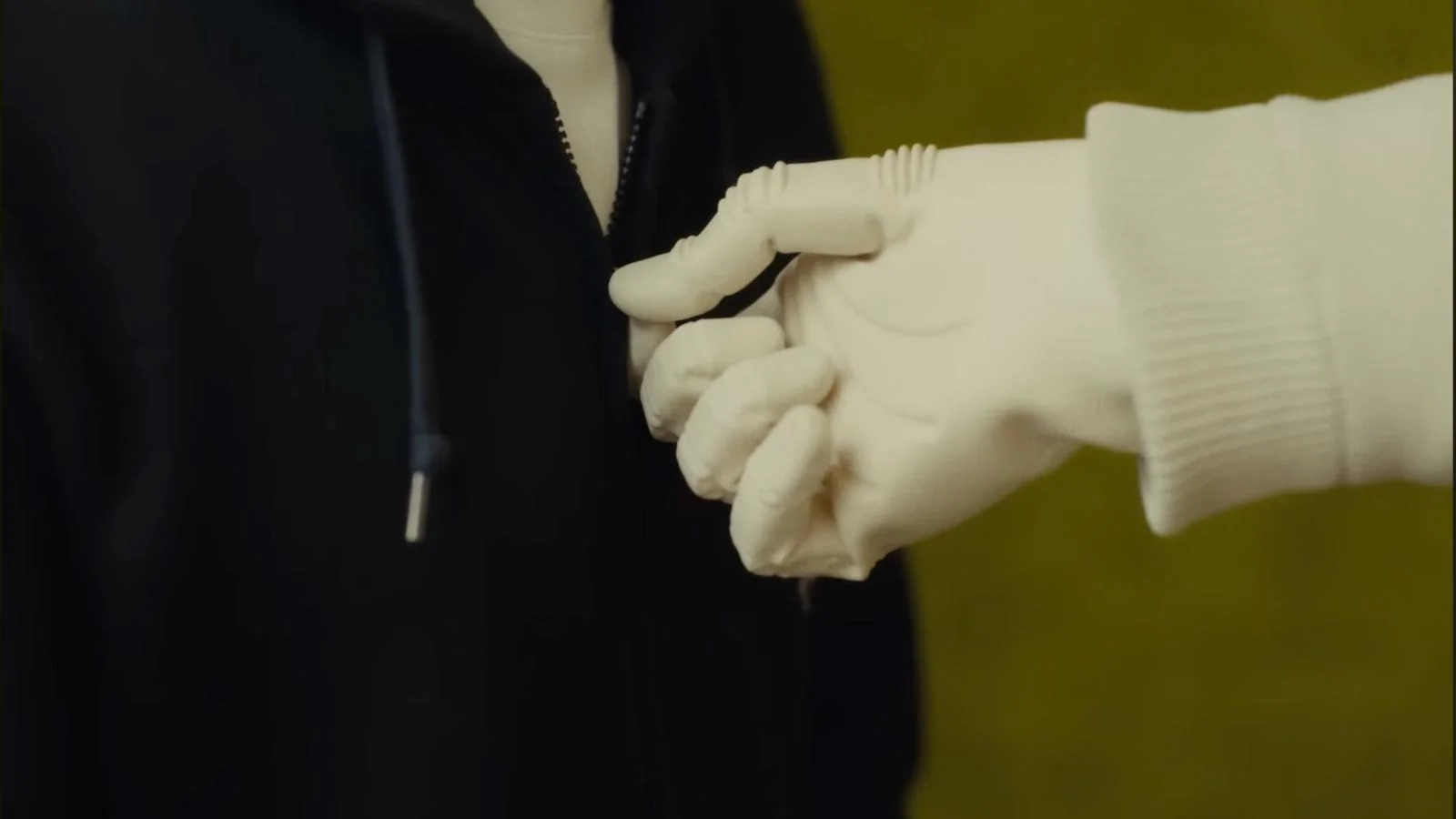
A major breakthrough in the world of robotics has occurred: Norwegian company 1X has unveiled a new generation of robotic hands for its NEO humanoid robot. This technology allows robots not only to perform complex movements but also to perceive their environment like humans. This development is expected to be a decisive step in integrating robots into our daily lives. This is reported by Ixbt.com reports .
The new hands have 25 degrees of freedom, with their movement capabilities brought as close as possible to those of a human hand. According to Ixbt.com, the uniqueness of this system lies in the fact that it does not just execute commands but can also measure external impact. 22 degrees of freedom are allocated to the fingers and palm, while 3 are in the wrist. This allows the robot to feel contact force with objects in real-time and adjust grip precision.
Technological excellence and sensitivity
1X engineers used a "tendon-driven" system to create the hands. In this approach, the motors generating movement are placed outside the joints, and force is transmitted through flexible cables. This design mimics the principle of biological tendons and reduces system inertia. As a result, the robot can safely bend its fingers during unexpected collisions, ensuring it does not harm people nearby.Technical specifications are also impressive: the gripping force at the fingertips reaches 45 Newtons, and positioning accuracy is 0.2 mm. Tactile sensors on the surface of the fingers can detect pressure, contact points, and even the moment an object begins to slip. This level of precision allows the robot to perform delicate, jewelry-grade tasks.
- Assembling LEGO sets and picking up small coins;
- Connecting USB-C cables and screwing in light bulbs;
- Pouring tea, sorting grapes, and holding delicate glass containers;
- Communicating in sign language and wiping surfaces.
Mass production and future prospects
1X has already launched a dedicated production line for these hands, planning to produce 10,000 units per year. Most importantly, all components—from motors to polymer coatings—are manufactured in-house. This will accelerate the mass production of humanoid robots and help accumulate the necessary database for training AI systems.For developing markets, such technologies could revolutionize the service sector and household chores in the future. If robots can truly perform delicate movements like a human hand, they will become indispensable assistants in elderly care or complex technical maintenance. This achievement by 1X proves that robots are becoming not just pieces of metal, but intelligent and sensitive partners.


Comments 0
…