


Tragic accident involving Tesla: NTSB investigation clears Autopilot of blame
The U.S. National Transportation Safety Board (NTSB) has released preliminary investigation findings regarding a fatal Tesla Model 3 accident in Katy, Texas. This incident once again brought the safety of self-driving systems in electric vehicles to the forefront. However, the data indicates that human error, not technology, caused the tragedy. This is reported by Ixbt.com reports .
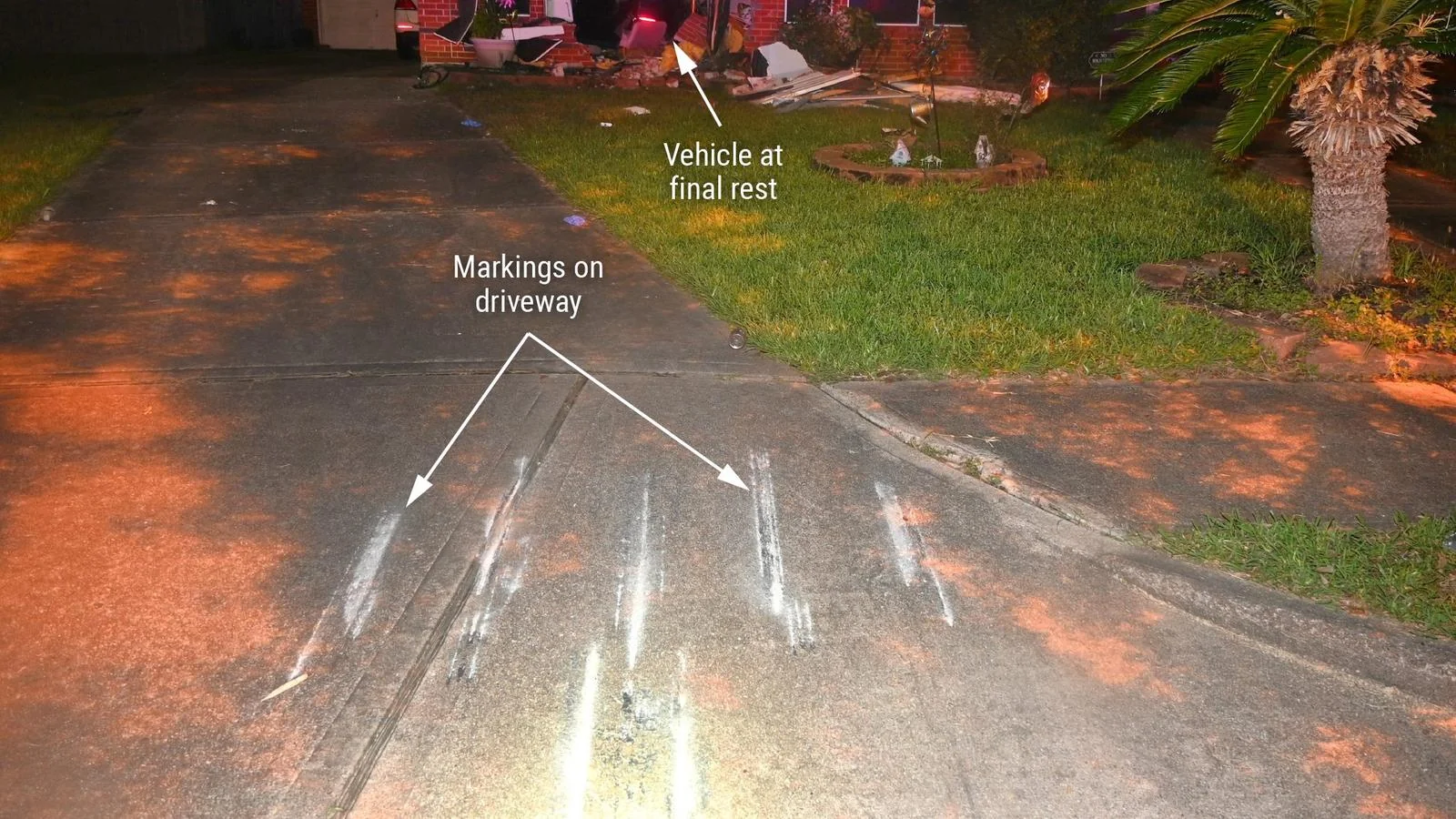
According to the details of the incident, which occurred on June 19, 2026, the Tesla Model 3 crashed into the brick wall of a residential building. The collision resulted in the death of a woman inside the house, while the 44-year-old driver suffered minor injuries. Initial assumptions had pointed to a malfunction in the vehicle's FSD (Full Self-Driving) system.
Telemetry data and driver error
Citing the NTSB report, Ixbt.com notes that the Tesla onboard computer recorded all actions during the accident. It turned out that the FSD (Supervised) mode was active seconds before the collision. However, at the critical turning point, the driver pressed the accelerator pedal 100 percent, which immediately canceled the system's automatic control function and transferred control to the human.Electronic data shows that the car continued at 70 mph (approximately 113 km/h) where it should have turned at a T-junction. The driver went off the road, crossed the yard, and crashed into the house wall at high speed. It was determined that the driver's incorrect intervention, rather than the system, led to the fatal consequences.
Investigators also examined the weather conditions at the time of the incident. The report notes that the weather was clear, visibility was excellent, and the road surface was dry. In other words, there were no external natural factors hindering the operation of sensors or cameras.
The issue of trust in safety systems
This case confirms Tesla's long-standing position: no matter how advanced the FSD system is, it is a "supervised" assistant, and the driver must be ready to take responsibility in any situation. As the number of Teslas and other smart electric vehicles on the roads increases, it is important not to trust such technologies blindly.The results of this investigation are expected to reduce accusations against autopilot systems. Nevertheless, the NTSB will provide a final conclusion after all technical examinations are completed. For now, the primary blame remains with the driver, who exceeded the speed limit and made a steering error.


Comments 0
…