


The cost of space transport is plummeting: dropping to $300 by 2040
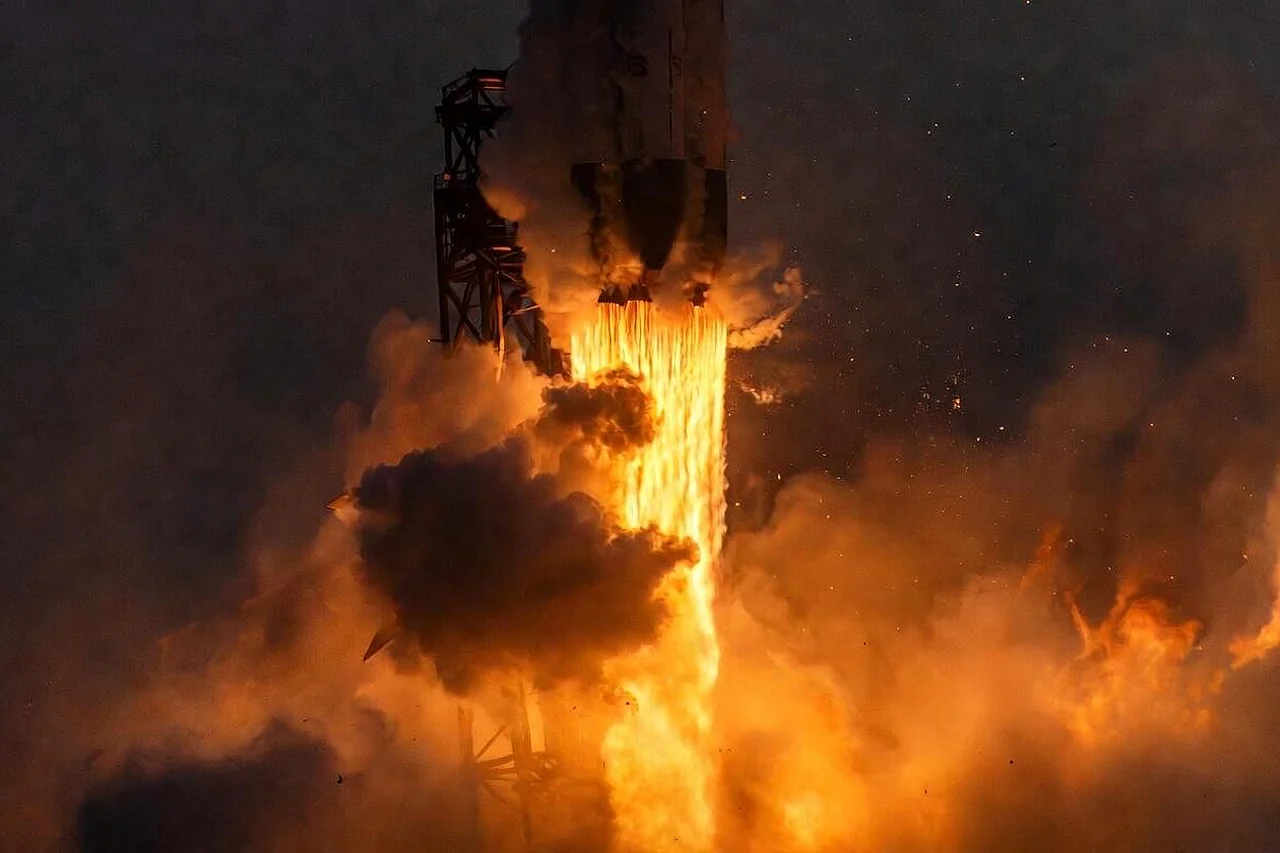
Humanity's capabilities in space exploration are reaching a new milestone. New analysis by researchers at Polytechnic University of Turin and the University of Cambridge shows that the cost of launching payloads into orbit has fallen by 96 percent over the last 65 years. If this trend continues, the cost of sending one kilogram of cargo into space could be just $300 by 2040. This is reported by Ixbt.com reports .
The study analyzed 4,405 rocket launches between 1960 and 2025. It compiled data on over 330 types of rockets developed by the USA, Russia, China, the European Union, India, Japan, and several other countries. According to ixbt.com, while it cost $87,023 in today's money to put one kilogram of cargo into orbit in 1960, that figure has dropped to $3,868 by 2025.
Scientists note that while previous calculations only considered rocket costs, the new approach calculated how much payload each rocket carried over its entire service life. This allowed for a more accurate assessment of economic efficiency in the space industry. It turns out that the space sector is developing faster in terms of cost reduction than even solar panel technology.
The New Space era and the technological revolution
The main reason for this sharp drop in prices is the industry's transition from an inter-state race to a commercial model, known as the New Space era. In particular, the Falcon 9 rockets from SpaceX, founded by Elon Musk, have been a game-changer. The reusability of first-stage rockets has helped reduce costs several times over.Researchers predict that by 2030, the cost of delivering one kilogram of cargo to orbit could drop to an average of $1,600, and by 2040, to $300. This opens new doors for establishing private laboratories in space, expanding satellite networks, and even enabling interplanetary logistics.
Obstacles to progress
However, experts warn that such a rapid price drop is not guaranteed. Several negative factors could affect future costs:- The increase in space debris and threats to flight safety;
- SpaceX's market monopoly (currently, 75 percent of the world's total cargo is handled by this company);
- Geopolitical tensions causing states to abandon cheaper commercial solutions in favor of more expensive national projects.


Comments 0
…