


Samsung and KRISO are developing a massive nuclear-powered container ship
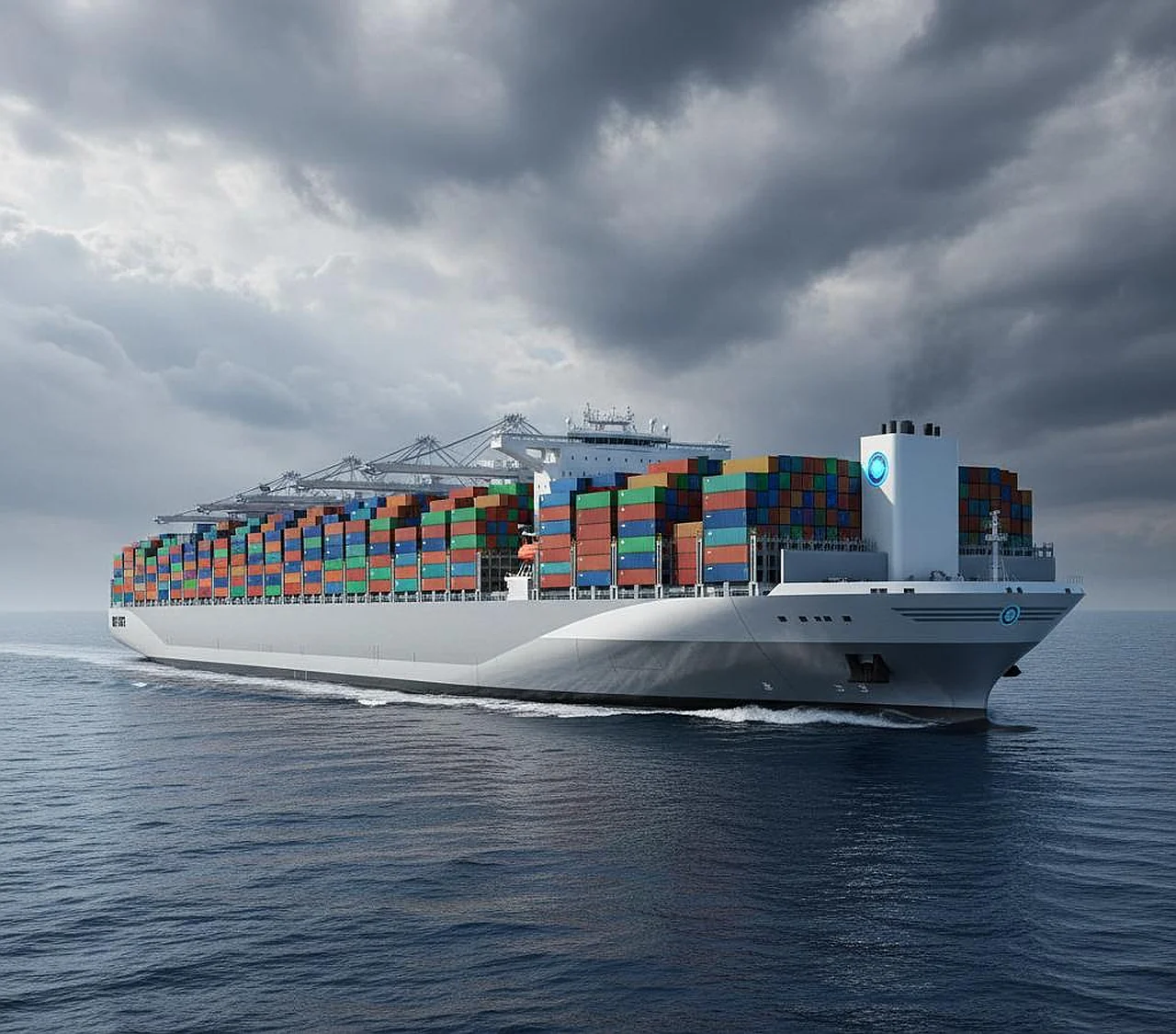
South Korea's Samsung Heavy Industries and the Korea Research Institute of Ships and Ocean Engineering (KRISO) have unveiled a revolutionary project in the maritime transport sector. Experts have developed a concept for a next-generation vessel equipped with two small modular reactors (SMR) and a capacity of 15,000 containers. This project has already received Approval in Principle (AIP) from the American Bureau of Shipping (ABS). This is reported by Ixbt.com reports .
According to ixbt.com, the ship relies on molten salt reactor (MSR) technology instead of traditional diesel engines. Unlike conventional pressurized water reactors, this type of system operates at low pressure, which significantly reduces the risk of accidents and increases safety levels. Most importantly, such reactors are capable of powering the ship for many years without refueling.
Technological superiority and safety measures
One of the most complex tasks facing the engineers was ensuring the stable operation of the nuclear plant under variable load conditions. To achieve this, the reactors were integrated with a special energy storage system (ESS). If one of the reactors reduces power or is shut down for maintenance, the batteries and the second reactor automatically compensate for the missing energy.The use of a nuclear power plant has completely changed the ship's design. The absence of massive fuel tanks and chimneys has freed up space for additional containers. The reactor compartment is located in the central part of the hull — this point is less prone to vibrations and is the best-protected area in the event of a side collision. Crew living quarters have been moved to the bow of the ship, as far away from the reactors as possible for safety reasons.
The future of eco-friendly transport
As a result of hydrodynamic tests conducted by KRISO experts, a special hull shape was selected. This shape allows the container ship to travel at a speed of 25 knots (approximately 45 km/h) even in adverse weather conditions. Several organizations are collaborating on the project, including the Korea Atomic Energy Research Institute (KAERI), which created the marine reactor.The current certificate is not a permit to start construction, but a document confirming that the project complies with safety requirements. Detailed design and final certification will be carried out in the next phase. If this project is successfully completed, it will usher in a new era that will serve to drastically reduce carbon dioxide emissions in global maritime transport.
For countries like Uzbekistan, which are landlocked but connected to international trade corridors, such technologies are important for the future in terms of reducing logistics costs and stabilizing global supply chains.


Comments 0
…