


UK abandons controversial digital ID card plan
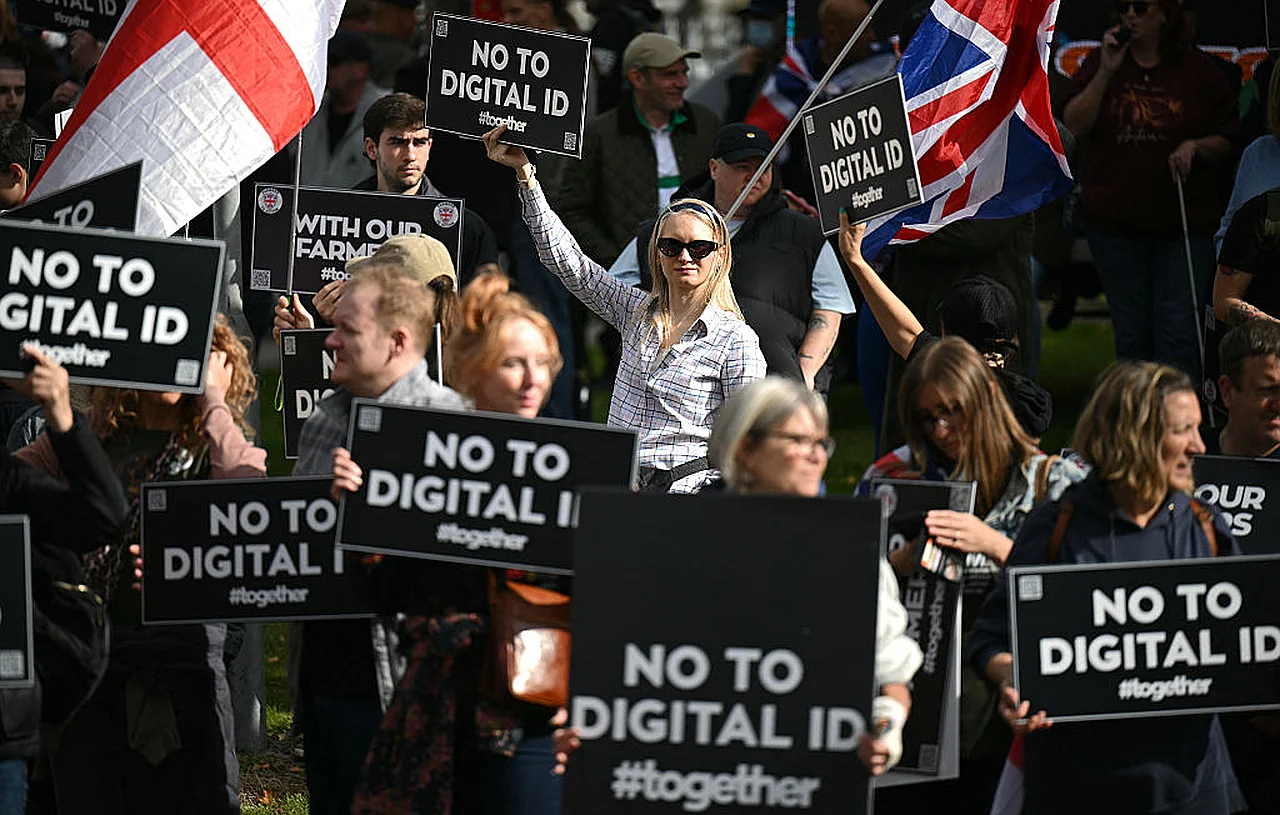
The new UK government has officially canceled the nationwide Digital ID project, which had sparked widespread public outcry. Newly appointed Prime Minister Andy Burnham confirmed the abandonment of this controversial initiative, which had been pushed by the previous administration. This decision is seen not only as a victory for human rights advocates but also as a sign of significant shifts in the country's economy. This is reported by Techcrunch.com reports .
The government announced that funds saved from the Digital ID card program will be redirected to reduce electricity bills at a time when the cost of living is rising. Finance Minister John Healy emphasized that these changes would provide some relief to British households during the winter season and ensure financial stability. Thus, social support has replaced the technological project.
Protests and security concerns
The plan to introduce a digital identification system was proposed by former Prime Minister Keir Starmer. He believed that government-issued digital ID cards would be an essential tool for combating illegal labor migration and modernizing access to public services. However, this plan faced significant resistance in British society. Nearly 3 million citizens signed a petition against the system, the second-largest figure in the history of the country's parliament.The main concern of critics was related to the privacy of personal data and the surveillance established by the state. Many believed that the Digital ID system would allow for constant monitoring of citizens. Such initiatives are not new to the British public—the Tony Blair government launched a similar project in the 2000s, but it was halted when a new coalition government came to power in 2011.
Economic efficiency under scrutiny
Initial estimates suggested that creating a national ID card system would cost the government 1.8 billion pounds (approximately 2.4 billion dollars) over three years. However, these figures sparked many debates. According to reports, the funds required to finance this scheme were never fully allocated. After Keir Starmer announced his resignation at the end of June, his successor, Andy Burnham, decided to shift economic priorities.Today, in an era of developing digital technologies and AI, the issue of digital identity documents is on the agenda for many countries. The British experience shows that even the most modern technological solutions can fail if they do not gain public trust and pose a threat to personal privacy. For now, the UK prefers to follow the path of traditional document circulation and strengthening social protection.


Comments 0
…