


Wi-Fi and Bluetooth frequencies expected to be opened for satellites in the US
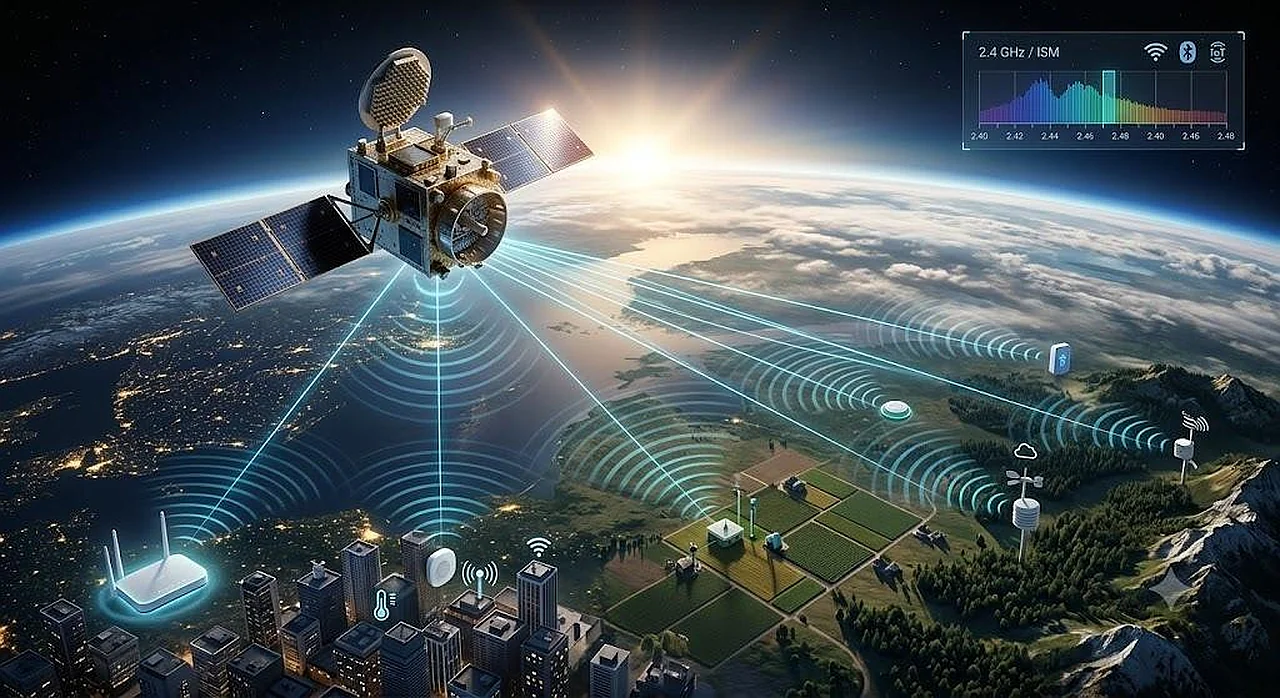
The US Federal Communications Commission (FCC) is set to review a new initiative on August 6 that could mark a major turning point in the technology world. According to the proposal, frequencies intended for unlicensed devices such as Wi-Fi, Bluetooth, and smart sensors could be opened for direct data exchange with satellites. This decision would fundamentally expand the communication capabilities of everyday consumer electronics with space. This is reported by Ixbt.com reports .
Plans are underway to provide over 225 MHz of spectrum in the "Part 15" band, where Wi-Fi and Bluetooth devices currently operate, for free satellite communication. According to ixbt.com, if this change is implemented, users could gain satellite connectivity on existing devices through a simple software update, without needing additional licenses. This would be a significant step in increasing global communication coverage.
New opportunities and the growth of IoT
FCC experts believe this decision will accelerate the development of next-generation satellite services. Specifically, companies like Hubble Network and Spire will be able to use widely available frequencies without spending time and money on special permits. Additionally, it will enable the use of standard Wi-Fi devices on commercial orbital stations like Vast's Haven-1.The new rules also open up new horizons for satellite-based IoT (Internet of Things) networks. This technology is expected to revolutionize the following areas:
- Remote environmental monitoring;
- Implementation of smart farming systems;
- Real-time tracking of international shipping and logistics;
- Ensuring continuous communication in emergency situations.
Objections from market giants and technical risks
However, this initiative is not universally welcomed. Companies like SpaceX, AST SpaceMobile, and Amazon, which have invested billions of dollars in Direct-to-Device (D2D) technology, may oppose the emergence of a free alternative. It is natural that they would be concerned about the impact on competition when others are granted free access while they have paid significant fees for licensed spectrum.Radio astronomers are also expressing concern. Increased activity in the 2.4 GHz band could negatively affect the quality of scientific observations and navigation measurements. Nevertheless, the FCC is imposing strict requirements on satellite operators: they must not interfere with existing licensed services and must adapt to any potential noise. While the issue of returning signals from satellites to Earth remains open, the August meeting is expected to clarify many questions.


Comments 0
…