


Abandoning Huawei Equipment to Cost Europe Tens of Billions of Euros
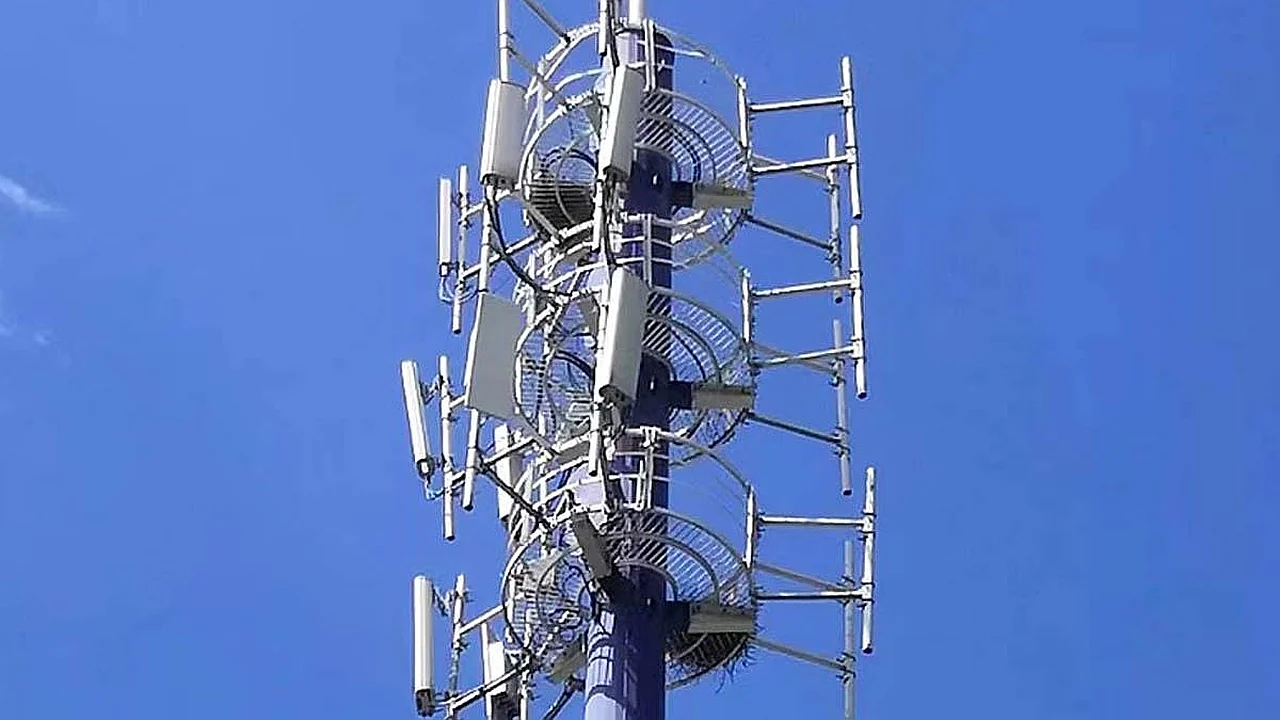
The process of phasing out equipment from Huawei and other Chinese tech giants in the construction of 5G networks in European Union countries is projected to be significantly more expensive than expected. According to data from the GSMA analytical center, implementing this strategic decision could result in additional costs for the region's economy ranging from 30 billion to 40 billion euros. This is reported by Ixbt.com reports .
Initially, the European Commission estimated these modernization efforts at around 10–13 billion euros. However, new calculations show that real costs could be nearly three times higher than initial forecasts. This situation is expected to deal a serious blow to the budgets of not only telecom operators but also ordinary consumers.
Key areas of expenditure
The largest portion of costs, between 16 billion and 22 billion euros, will be spent on replacing mobile operators' base stations and network equipment. This process requires a complete overhaul of existing infrastructure, as Huawei technologies form the backbone of networks in many European countries.Furthermore, an additional 9–12 billion euros will be required to upgrade transport infrastructure between network nodes. Replacing authorized fixed broadband equipment could require an additional 5 billion euros in investment. According to Ixbt.com, Huawei currently controls at least a quarter of the EU mobile network equipment market.
Reduced competition and rising prices
The exit of Chinese suppliers from the market may strengthen the position of European brands like Ericsson and Nokia. However, artificial restriction of competition will lead to price increases according to market principles. GSMA analysts are concerned about the formation of a monopolistic environment in the market.Experts believe that the following consequences may be observed as a result of these changes:
- Mobile communication service prices rising by an average of up to 24 percent;
- Fixed internet service prices increasing by approximately 19 percent;
- A slowdown in the pace of implementing new 5G technologies.
In conclusion, these political decisions taken from a security perspective are leaving the European telecommunications sector facing serious financial challenges. The development of the digital economy in the region in the coming years will depend directly on how these costs are covered and on effective cooperation with alternative suppliers.


Comments 0
…