


Person in US on Trial for Erasing Smartphone Data with Special Password
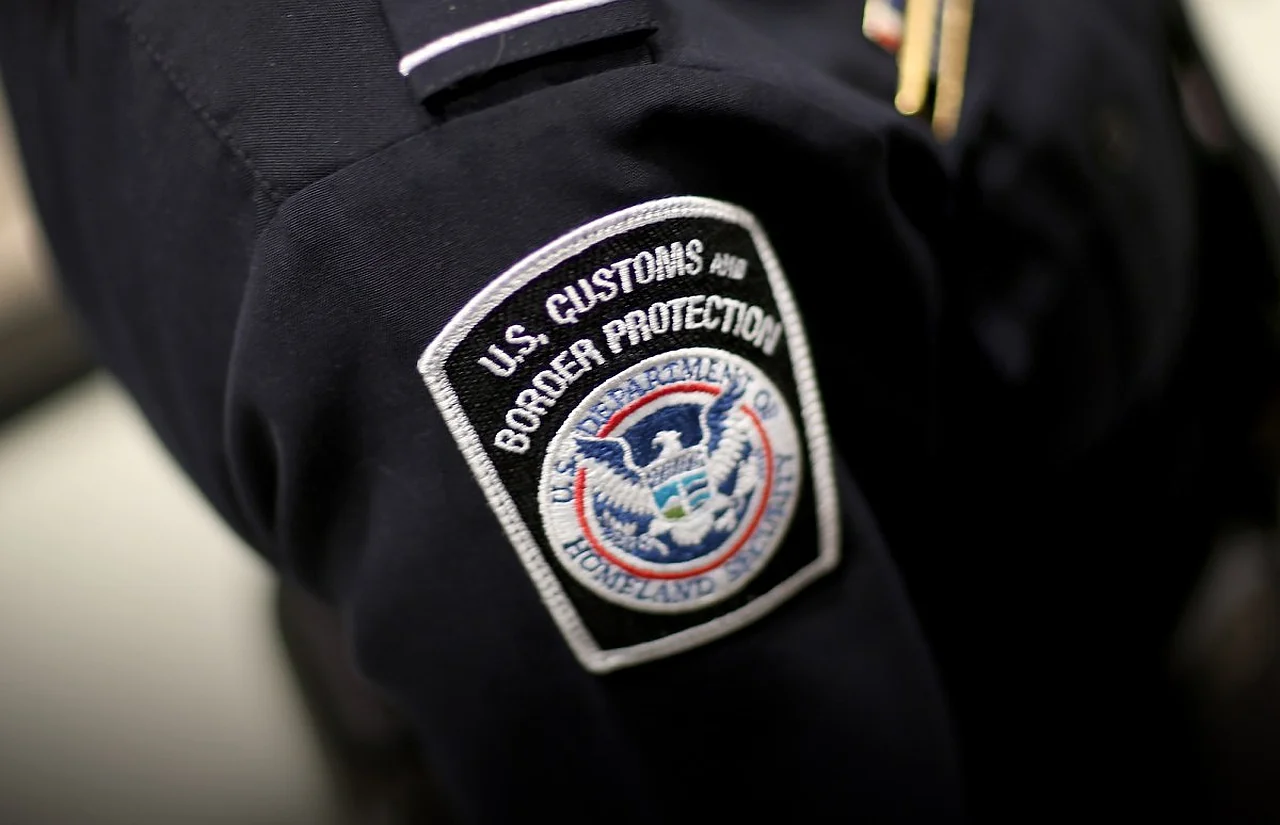
For the first time in the country's history, the U.S. Department of Justice has filed criminal charges against an individual who used a password designed to remotely or automatically destroy data on a smartphone during a border inspection. Samuel Tunick, a resident of Atlanta, is accused of entering a code that completely deleted all files on his device before handing it over to customs officers. This is reported by Techcrunch.com reports .
This incident has caused a major stir in the world of technology and law. According to The Guardian, this is the first case of its kind involving federal prosecutors holding someone accountable for using a feature known as a "duress password". This feature serves to immediately delete all data rather than lock the system when the device owner is in danger or forced to disclose the password under pressure.
GrapheneOS and Privacy
Samuel Tunick used the privacy-focused operating system GrapheneOS instead of standard Android on his Google Pixel smartphone. The uniqueness of this system is that it allows the user to set two different passwords: one for regular access and another for data destruction in emergency situations. The defendant's lawyers have confirmed that the device ran this exact software.The event took place in January 2025 at the Hartsfield-Jackson Atlanta International Airport. When Tunick was returning from abroad, Customs and Border Protection officers took him in for secondary screening. When officials demanded to inspect his smartphone, the entered password wiped all digital content on the device. Prosecutors view this as intentional destruction of evidence and obstruction of justice.
Constitutional Rights and Border Control
This case has brought back into the spotlight old debates regarding the rights of citizens at U.S. border zones. The U.S. government has long maintained that border checkpoints are not considered domestic territory and that it has the right to inspect smartphones without a warrant there. However, the defense considers this action illegal.In a motion filed in court, Tunick's lawyers drew attention to the following aspects:
- The client's right to contact a lawyer was restricted and his legal rights were not explained;
- There were insufficient grounds to seize the smartphone;
- The government's pretext for inspection (searching for child exploitation materials) was groundless.
According to the defense attorneys, Tunick was actually targeted by the government due to his activism in environmental movements. He was a member of a group opposing "Cop City," a large training center being built in Atlanta for law enforcement agencies. Therefore, lawyers are demanding that any data obtained (or deleted) from the smartphone be ruled inadmissible as evidence.
This trial is expected to become an important precedent that will determine the balance between personal data privacy and state security in the future. If Tunick is found guilty, this method of software-based data protection could be effectively outlawed in the U.S.


Comments 0
…