


NASA to Send New-Generation Helicopters to Mars in 2028
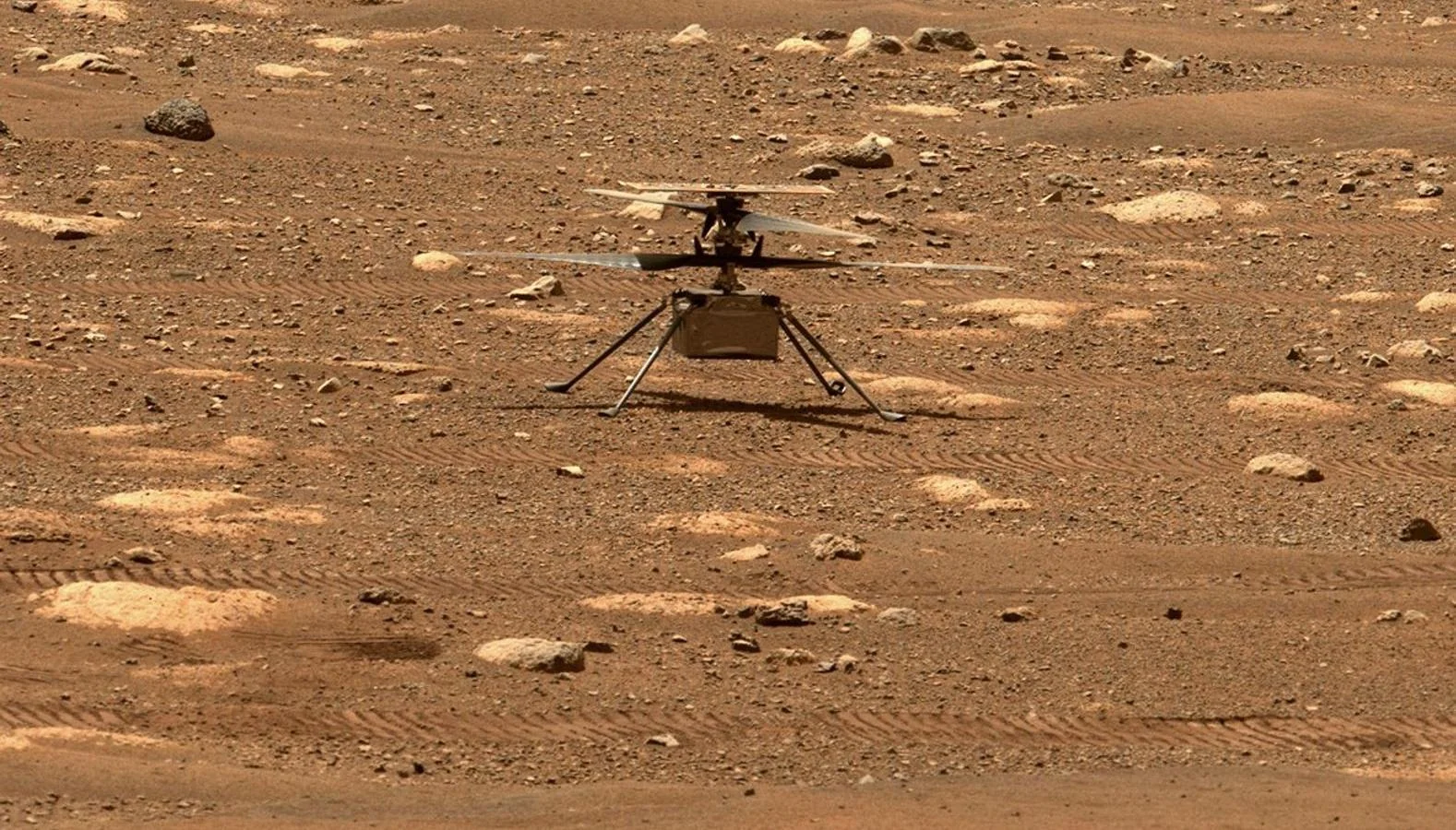
The National Aeronautics and Space Administration (NASA) is preparing to take another giant leap in exploring the Red Planet. The agency plans to launch a new generation of robotic helicopters to Mars in 2028. The main objective of this mission is to identify the safest and most convenient sites for humanity's first landing on Mars in the future. This is reported by Ixbt.com. reports .
According to TASS, citing a NASA representative, this critical mission will be carried out using a spacecraft named SR-1 (Space Reactor-1) Freedom. This device is expected to go down in history as the first interplanetary spacecraft equipped with a U.S. nuclear power system. On board is the SkyFall complex, which includes new flying vehicles created based on legendary Ingenuity technologies.
Nuclear Power and Air Reconnaissance
The use of a nuclear power unit within the new project will enable the delivery of heavier payloads to Mars and long-range research. The helicopters in the SkyFall system will act as unique air scouts. They will closely examine the Martian surface, create detailed maps of the terrain, and search for ideal landing spots for future crewed expeditions.Interestingly, to save costs, NASA is utilizing engineering solutions developed for the Gateway lunar station program when building the SR-1 Freedom spacecraft. According to reports, the total cost of developing and launching this mission is approximately $2.1 billion. Agency specialists express confidence that the first crewed flight to Mars will take place by 2040.
Continuing the Success of Ingenuity
The choice of helicopters is no coincidence. Their predecessor, Ingenuity, became one of the most successful experiments in the history of Mars exploration. Arriving in February 2021 along with the Perseverance rover, this tiny device was originally supposed to perform only a few test flights.However, Ingenuity proved to be much more durable than expected, making 72 flights over nearly three years. Its mission only ended in January 2024 after its blades were damaged during landing. The new mission is expected to take this successful experience to a new level.
This project is not only a technological breakthrough but also an integral part of humanity's strategy to establish permanent habitats on other planets. Despite the extremely thin Martian atmosphere, the proven efficiency of helicopters will significantly accelerate future colonization processes.


Comments 0
…