


Korean Scientists Create Material That Doubles Lithium-Ion Battery Lifespan
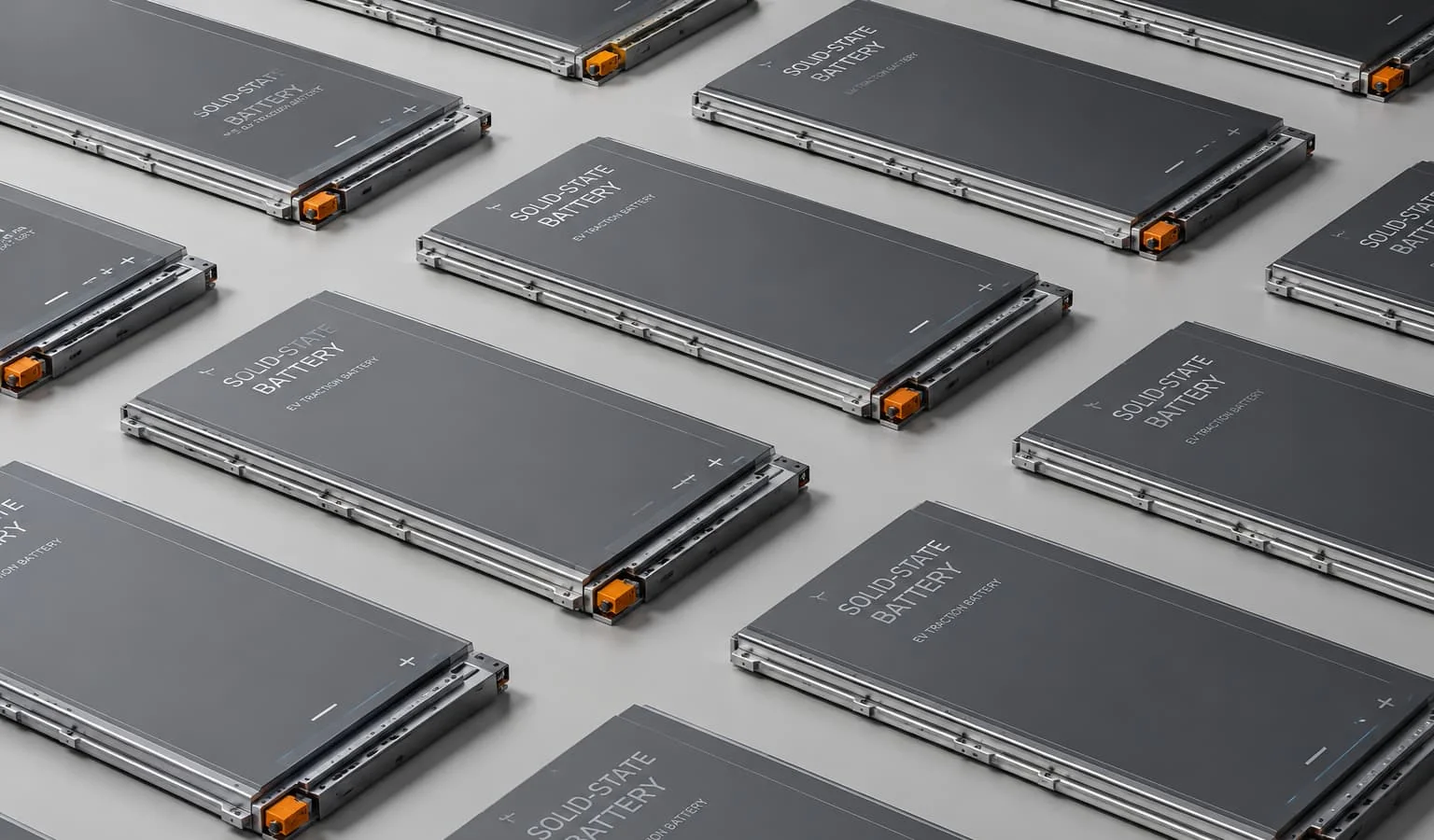
Researchers at Sungkyunkwan University and Seoul National University in South Korea have introduced a new polymer binder material capable of dramatically increasing the capacity and service life of lithium-ion batteries. According to ixbt.com, this innovative development, named Dual-Acting Hybrid Polymer (DHP), increases electrode durability and significantly extends the single-charge driving range of modern electric vehicles. This is reported by Ixbt.com reports .
Currently, thick electrodes must be used to increase energy storage, but a serious problem arises during their manufacturing process. Traditional binder materials shift toward the surface during drying, reducing the electrode's mechanical strength, worsening its electrical conductivity, and accelerating battery wear.
A Unique Combination of Polymers
To eliminate this flaw, Korean scientists combined two polymers with different properties: spandex and polyacrylic acid. Spandex gives the material the necessary elasticity to prevent the formation of cracks, while polyacrylic acid establishes strong chemical bonds between electrode particles, further strengthening overall reliability.Another key advantage of the DHP material is that it independently forms a protective lithium interface inside the battery during the initial charging cycles. In turn, this facilitates the movement of lithium ions within the battery, reduces internal resistance, and significantly increases overall battery efficiency.
Test Results and Production Prospects
Laboratory tests showed that the new binder material provides nearly twice the adhesion strength compared to the widely used polyvinylidene fluoride (PVDF). While commercial battery cells with traditional binders lost their properties significantly after 95 charging cycles, cells using DHP retained 86.8 percent of their initial capacity even after more than 200 cycles.Experts note that one of the biggest advantages of this technology is its full compatibility with existing production lines. Manufacturers do not need to purchase additional equipment or radically change the technological process to introduce the new material into mass production.
This new development is expected to take electrode quality to a new level in the future, marking an important step toward creating more reliable lithium-ion batteries with longer driving ranges.


Comments 0
…