


Google DeepMind’s AI Begins Predicting Dangerous Hurricanes One Day in Advance
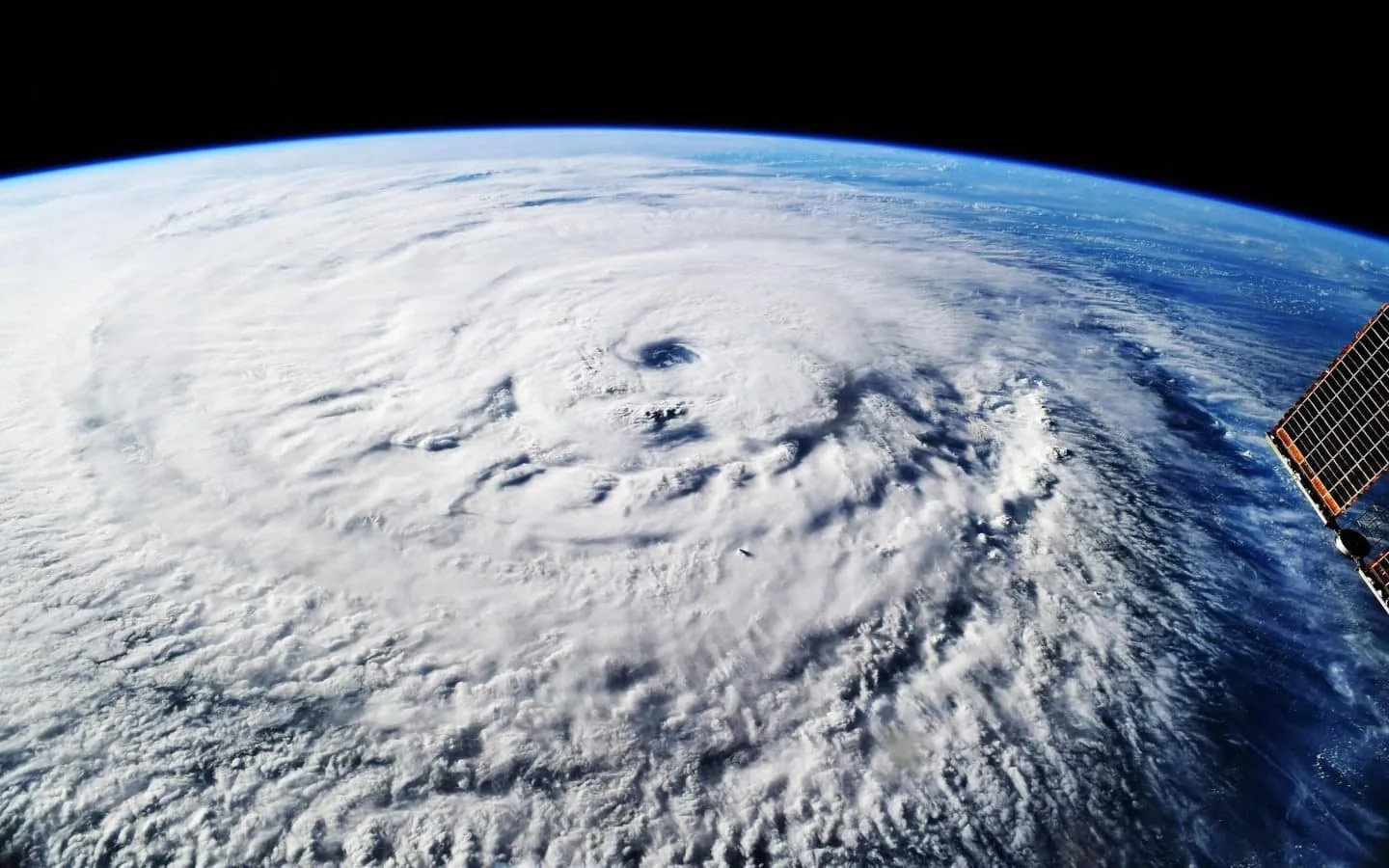
Google DeepMind and Google Research specialists have developed an artificial intelligence model called WeatherNext that can accurately predict the development of tropical cyclones, on average, one day earlier than traditional models. According to ixbt.com, the technology also amazed meteorologists: its three-day forecast showed the same accuracy as conventional two-day analyses. This is reported by Ixbt.com .
The capabilities of the new technology were clearly demonstrated by Hurricane Melissa, which occurred in October 2025. Five full days before the storm made landfall, the WeatherNext system predicted with 80% probability that it would head toward Jamaica and intensify to the highest level—the fifth category. The disaster ultimately struck the region with severe flooding and landslides. Such an accurate early warning gave emergency services additional time to evacuate residents, build reserves, and mobilize the necessary resources.
Key Features of the Technology
Predicting both the trajectory and intensity of tropical cyclones simultaneously is considered one of the most difficult tasks in meteorology. While the direction of movement depends on global processes, particularly atmospheric fronts and winds, a hurricane’s strength is determined by local conditions in the ocean and atmosphere. Previous artificial intelligence models performed well at determining trajectories but struggled to predict intensity.The WeatherNext model was trained not only on limited cyclone data but also on a vast array of conventional meteorological observations. This approach enabled the system to forecast general weather conditions while also learning how tropical cyclones evolve. What surprised researchers most was that, unlike traditional systems, the model achieved strong results even when using relatively low-resolution atmospheric data.
Generating Scenarios and Future Forecasts
WeatherNext also generates hundreds or thousands of possible scenarios for a storm’s development instead of producing a single fixed forecast. This approach accounts for the fact that small initial changes can lead to completely different outcomes over time. Last year, the model generated 50 scenarios for a single storm; that figure has now increased to 1,000. Experts say that obtaining so many variants with traditional numerical models would be extremely difficult using current computing resources.The U.S. National Hurricane Center emphasizes that artificial intelligence will not fully replace specialists but will serve only as an auxiliary tool. At the same time, Google DeepMind has publicly released the source code of the WeatherNext models used for seasonal hurricane forecasting. This is expected to allow other scientists to investigate the secrets behind the system’s high accuracy and gain a deeper understanding of atmospheric patterns.


Comments 0
…