


Artificial Intelligence and Human Thought: Language Models Cannot Fully Explain the Reading Process
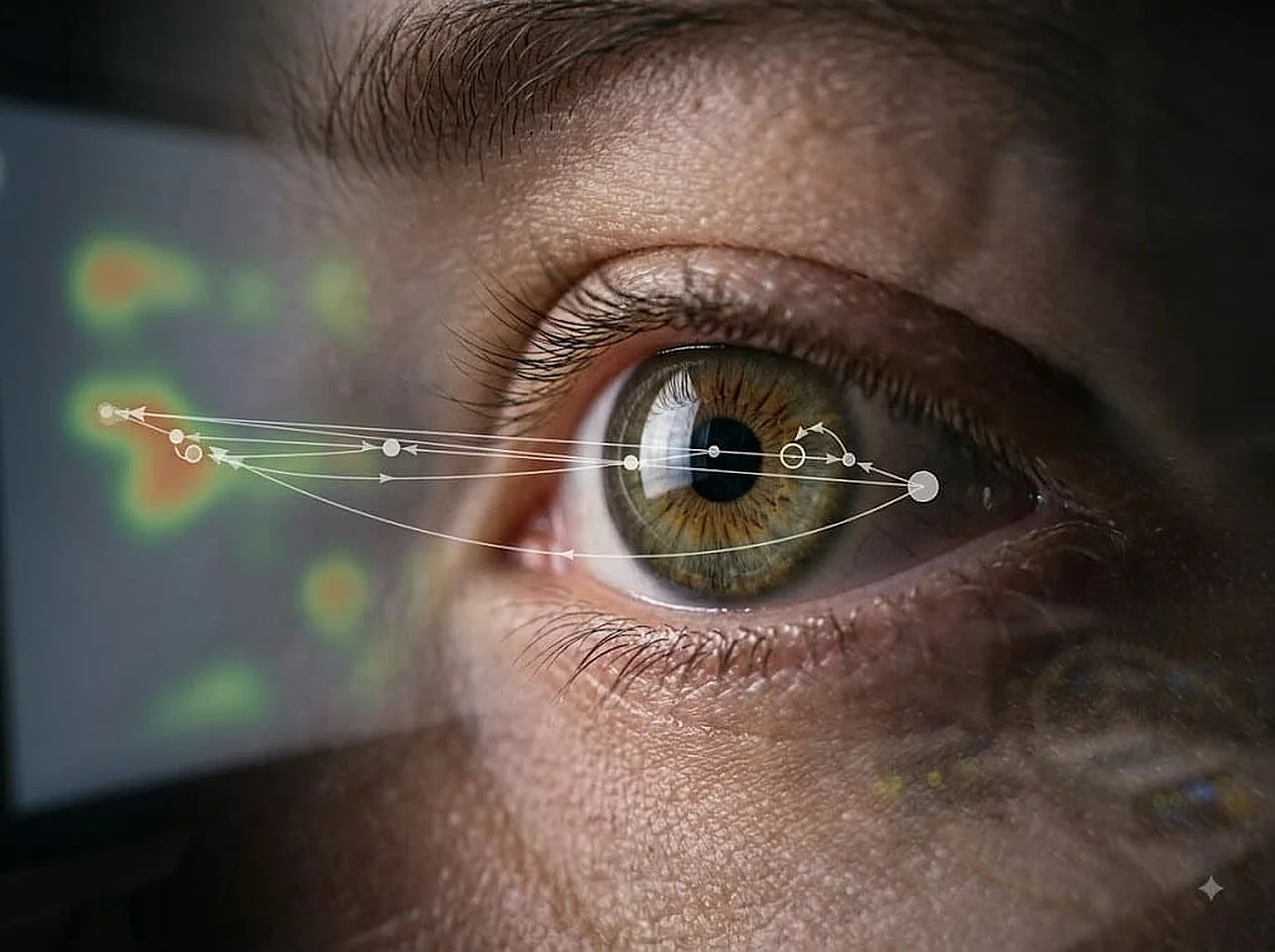
Recent studies by scientists at New York University and the University of Massachusetts Amherst have revealed significant differences between AI technologies and the mechanisms by which the human brain processes text. According to data published in the scientific journal Proceedings of the National Academy of Sciences (PNAS), the next-word or next-token prediction metric used in modern neural networks cannot fully reflect how the human brain corrects errors while reading. Ixbt.com reports this.
It is well known that AI systems rely primarily on probability theory and a mathematical measure known as “surprisal” when analyzing text. For algorithms, this metric evaluates how unexpected a particular word is based on the preceding context. However, experts have demonstrated that this approach cannot fully capture the complex cognitive processes involved in human reading.
Experimental Procedure and Key Findings
During the study, scientists examined the eye movements of 368 adult readers using specialized eye-tracking technology. The results were compared with word-probability estimates generated by 409 different language models. Participants were shown specially designed sentences that were syntactically ambiguous and whose meaning changed unexpectedly during reading.The results showed that the statistical predictions of neural networks explain well only the initial fluent reading of text and the rapid recognition of familiar concepts. Slowdowns during the first reading of a text corresponded to the models’ surprisal scores. However, this metric proved unable to predict the reanalysis and backward eye movements that people make when encountering complex sentences.
The Difference Between the Human Brain and Neural Networks
The experiment once again confirmed that human reading is a multistage process. When an initial interpretation breaks down, people consciously return their gaze to earlier parts of the text to correct the error and restore logical coherence. Neural networks, by contrast, merely assess linear probabilities without recalculating hierarchical grammatical relationships.The authors emphasize that the study was not intended to diminish the importance of language models. Rather, it clearly defines the limits of their use in cognitive science. The probability of the next token cannot be used as the sole equivalent of the complexity of human perception.
In the future, systems for evaluating interface comprehensibility or software designed to assist people who struggle with reading should not rely solely on autoregressive probabilities. Developers will also need to introduce clearly structured analysis mechanisms and tools that detect syntactic errors to determine text complexity.


Comments 0
…