


Rocket Lab Successfully Launches Another Electron Rocket into Space
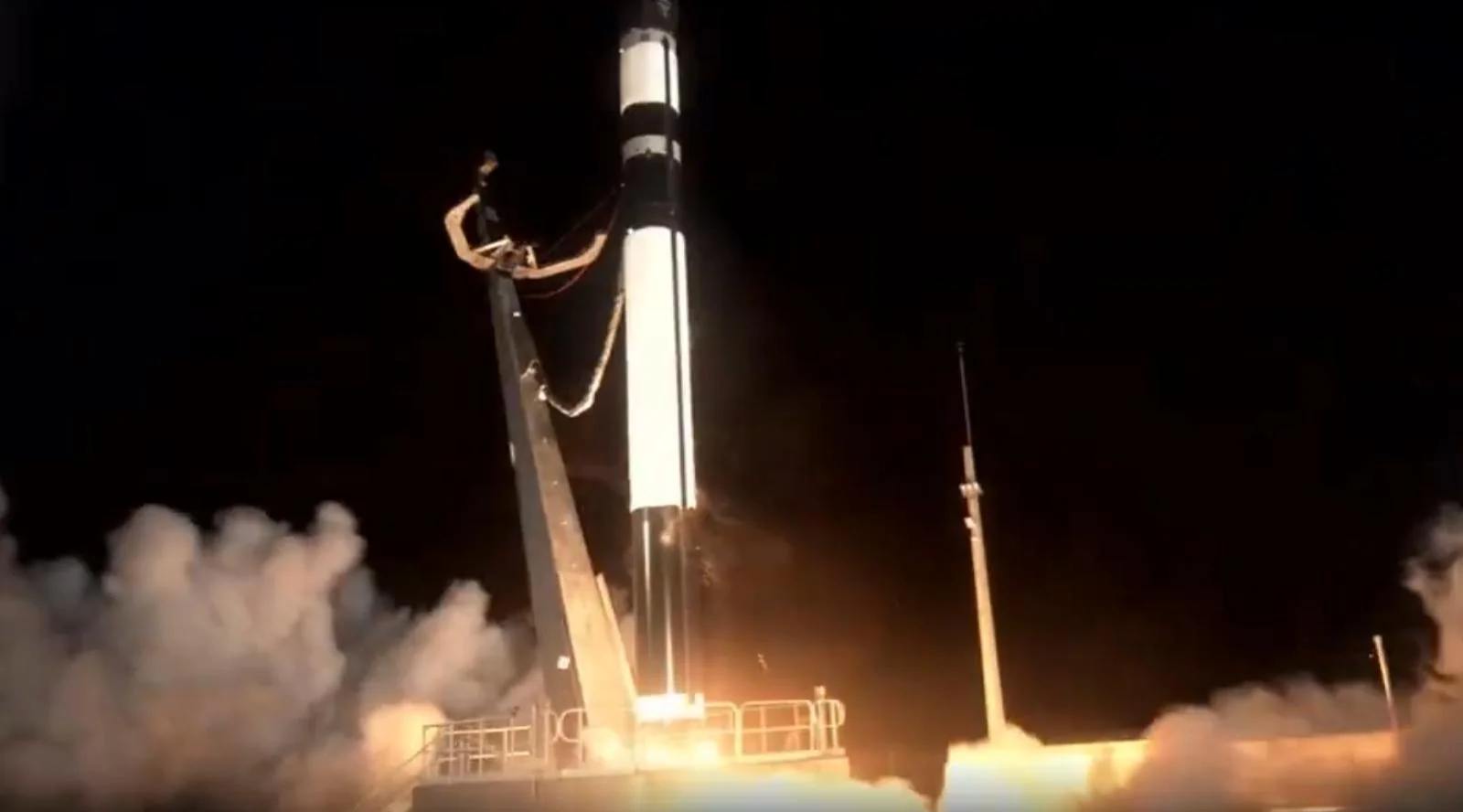
Rocket Lab, one of the leading companies in the aerospace industry, has completed another successful mission. According to ixbt.com, the company successfully launched its light-class Electron rocket from the LC-1B launch complex in New Zealand, delivering another spacecraft into low Earth orbit. This was reported by Ixbt.com reports.
This current mission, titled "Owl Around The World," marks the 94th flight of an Electron rocket in Rocket Lab's history. This successful launch once again confirms the company's technical stability and reliability, further strengthening its position in the commercial market.
StriX-9 spacecraft in orbit
During this flight, the StriX-9 satellite, owned by the Japanese company Synspective, was successfully deployed into orbit. This advanced device reached a low Earth orbit at an altitude of approximately 575 kilometers and will significantly expand capabilities for monitoring the planet's surface over Japan.The new spacecraft joins Synspective's existing orbital constellation to continue remote Earth observation using radar. Its primary task is to promptly record surface changes in and around Japan.
The importance of SAR technology
The StriX-9 satellite incorporates advanced Synthetic Aperture Radar (SAR) technology. This technology allows for obtaining precise radar data of the Earth's surface regardless of weather conditions or time of day.The data obtained is crucial for urban planning, large-scale construction processes, and strict infrastructure monitoring. It is also useful for rapid response and impact assessment in areas affected by natural disasters.
Long-term partnership prospects
This mission is the 11th dedicated flight Rocket Lab has performed for its Japanese partner. According to reports, Rocket Lab has maintained its status as the sole exclusive launch operator for Synspective since 2020.The long-term cooperation between the parties will continue in the future. Specifically, the partners have signed an agreement for 16 additional missions to launch the remaining satellites into orbit by 2030.


Comments 0
…