


Nancy Grace Roman Space Telescope could serve for up to 22 years
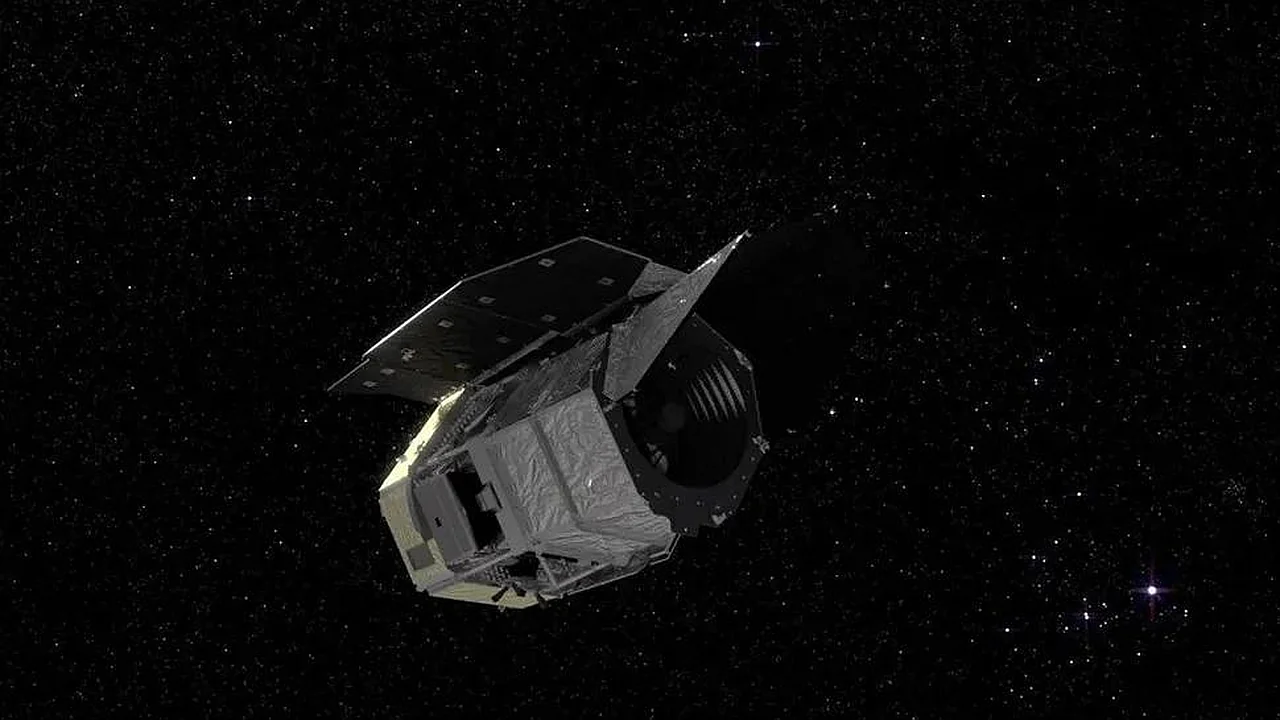
NASA's new Nancy Grace Roman Space Telescope is expected to operate for nearly twice as long as originally planned. According to Ixbt.com, the high-precision launch into space saved significantly more fuel than anticipated, allowing the scientific mission duration to be extended to 22 years. This was reported by Ixbt.com .
Perfect launch results
Successfully launched on August 30 of this year using a SpaceX Falcon Heavy rocket, the Roman telescope is currently heading toward its operational area near the second Lagrange point (L2) of the Earth-Sun system. This point is located approximately 1.6 million kilometers from our planet, providing optimal conditions for scientific observations.According to expert calculations, the primary reason for the dramatic increase in service life is the extreme precision of the launch process. The telescope used only 18 kilograms of fuel for the first major trajectory correction, whereas up to 200 kilograms had been allocated for this maneuver during the planning phase. As a result, a significant portion of the additional resources remained intact.
Structural lightness and fuel reserves
The physical weight of the telescope was also a critical factor. The dry mass of the device turned out to be nearly two tons lighter than the maximum limit specified in the project. This allowed for filling all four fuel tanks to capacity, loading approximately 1100 kilograms of fuel.Thus, the total initial mass of the Roman apparatus was 9173.5 kilograms. Even with the tanks filled to the maximum, the telescope headed into space half a ton lighter than the established limit.
Upcoming stages and future service
Initially, NASA planned fuel reserves based on a five-year primary scientific program with the possibility of a five-year extension. Now, post-launch performance data suggests that, provided other systems remain functional, the mission can rely on at least 22 years of operation.Another trajectory correction is scheduled for September, and the final maneuver to enter the operational orbit near L2 is planned for early December. According to NASA's preliminary estimates, these operations will also require less fuel than planned.
Once in operational orbit, the Roman thrusters will be used not only for trajectory correction but also for station-keeping every 28 days and for desaturating the momentum accumulated by the six reaction wheels of the orientation system. It is worth noting that NASA incorporated the possibility of automatic in-space refueling during the design phase, equipping the telescope with appropriate grapple fixtures and remotely operable thermal insulation.


Comments 0
…