


Giant crater appears on the Moon's surface
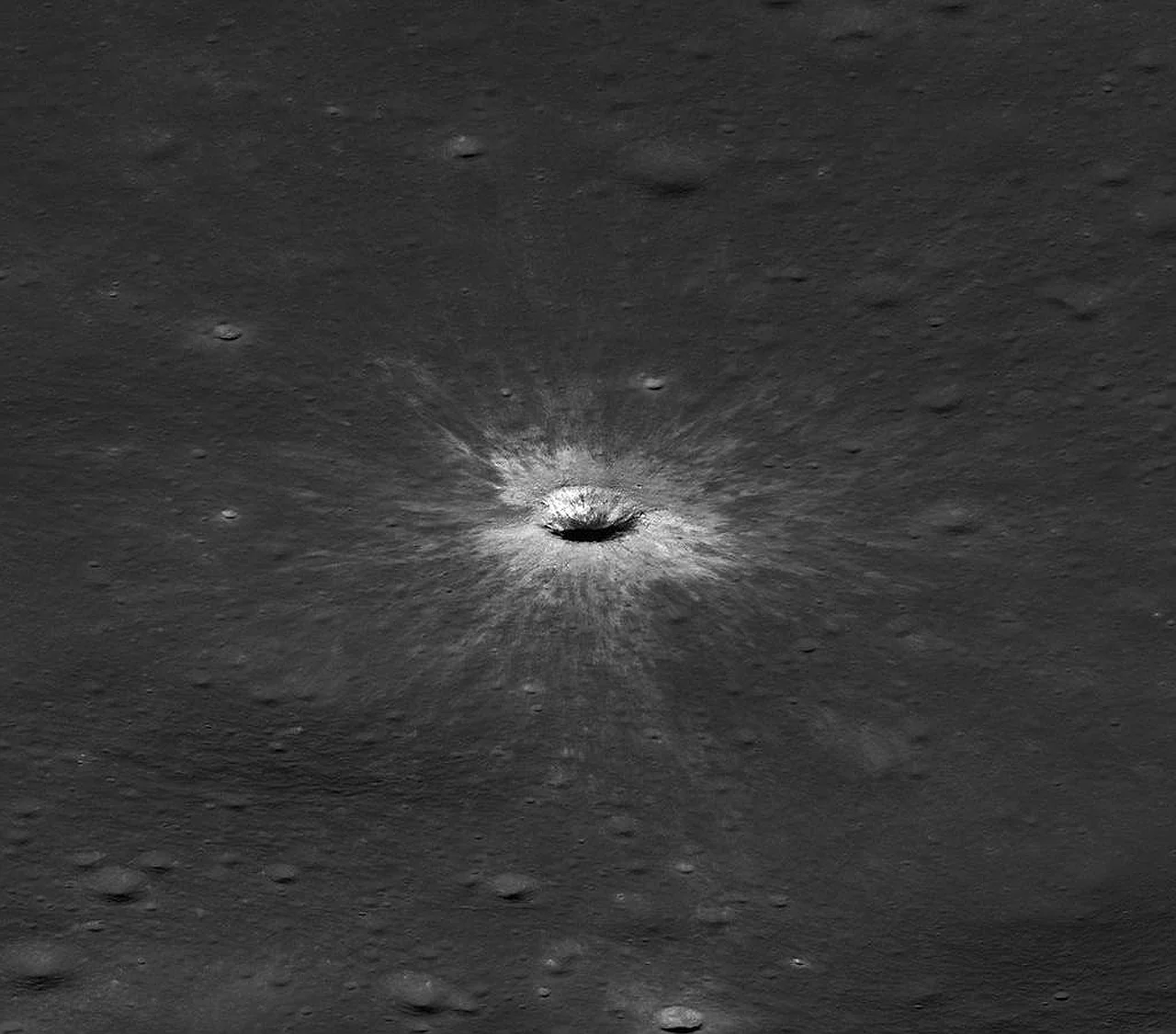
NASA experts have identified the largest new crater formed on the Moon in recent years. This massive depression, approximately 222 meters in diameter, was created in the spring of 2024 following the impact of a large space object the size of a six-story building. Named "McGetchin," this object has become one of the most significant findings in the history of lunar research. This was reported by Ixbt.com reports .
According to ixbt.com, no one directly observed the moment of the impact. The new anomaly was discovered by chance through images from the Lunar Reconnaissance Orbiter (LRO), which has been conducting research on the Moon for over 17 years, specifically in October of last year. Image processing specialist Robert Wagner noticed an unusual bright spot with a dark ring on the global map while checking the quality of routine data.
Time and scale of the impact
By comparing images taken in different years, scientists determined that the impact occurred between April 11 and May 22, 2024. The large space object struck the eastern part of the Moon's visible side. The resulting "McGetchin" crater reaches a depth of nearly 43 meters. The object was named in honor of the renowned lunar researcher Tom McGetchin.Experts estimate that impacts of this scale occur on the Moon once every hundred years or even less frequently. The main reason for the Moon's high vulnerability is its practical lack of an atmosphere. On Earth, small space objects slow down, break apart, and often burn up when entering the atmosphere. On the Moon, almost nothing prevents them from reaching the surface.
Scientific significance and future missions
Since the LRO began its mission, researchers have identified at least a thousand new impact craters and other changes related to the fall of space objects. However, "McGetchin" significantly exceeds most of them in size. Using the Diviner thermal instrument installed on the LRO, scientists obtained additional data and discovered a massive 6.4-kilometer-diameter area around the crater.It was found that this area is about 9 degrees colder at night compared to the surrounding terrain. Because the powerful impact loosened the lunar regolith over a significant distance, the loose soil retains heat collected during the day less effectively and cools down faster after sunset. Such discoveries may have practical significance for future lunar missions, particularly regarding how rover wheels interact with the soil.


Comments 0
…