


Google to launch its first satellite equipped with an AI chip
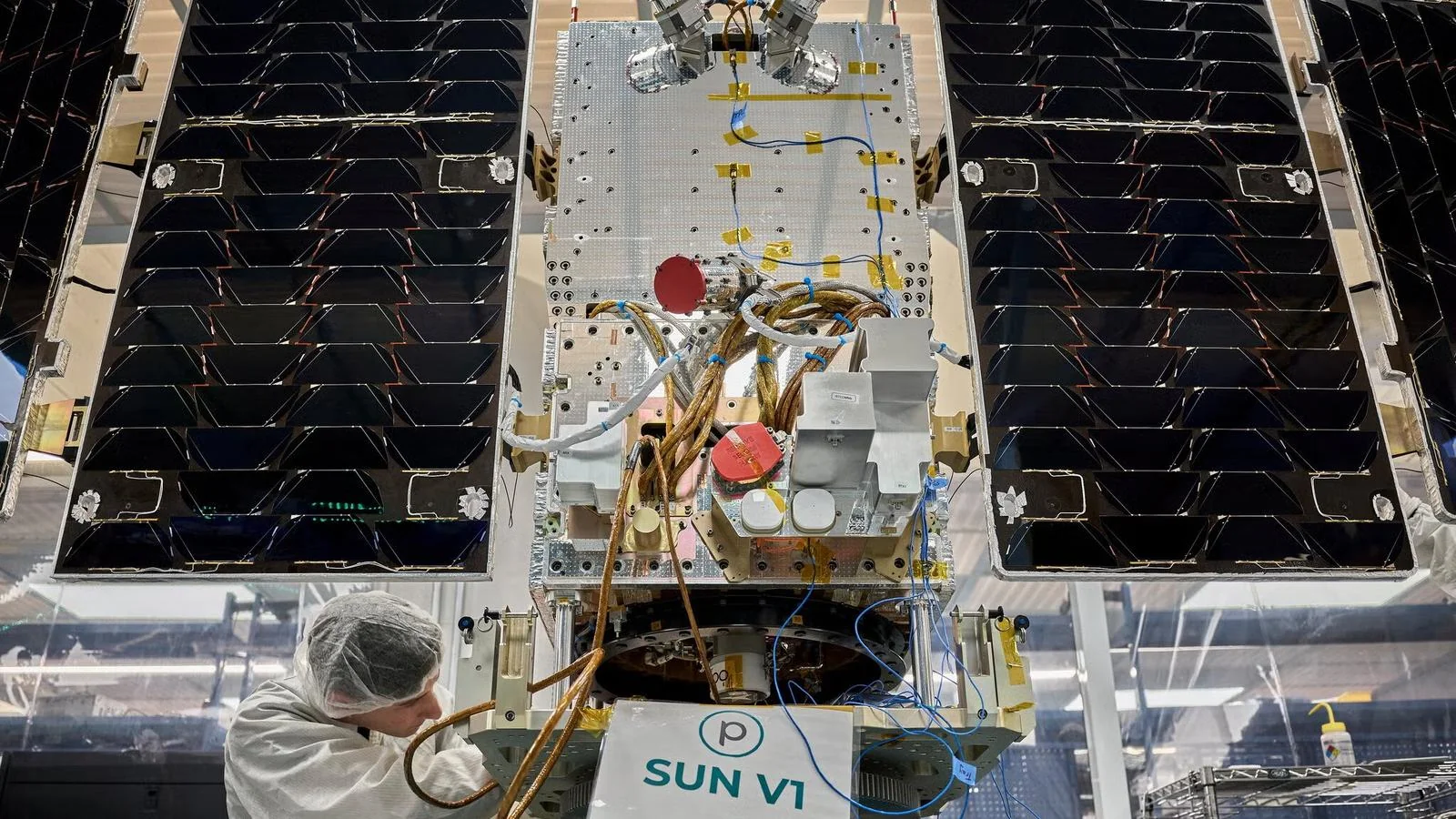
A new era in technology is beginning: according to ixbt.com, Google is preparing to launch its first experimental satellite equipped with its custom TPU chips into orbit. Scheduled for October 1st of this year, the device will be carried into low Earth orbit by a SpaceX Falcon 9 rocket and powered by solar panels. This step is the first practical test of a massive project aimed at performing AI tasks directly outside of Earth's atmosphere. This is reported by news from Ixbt.com.
This mission is the first phase of an initiative launched by Google called Project Suncatcher. The main goal of the project is to create a constellation of orbital satellites capable of ensuring the continuous operation of AI models in the future. Experts aim to reduce the load on ground-based data centers and unlock new capabilities by implementing AI computations in space conditions.
Space tests and challenges
During ground tests, the TPU chips demonstrated the ability to withstand high loads and cosmic radiation. However, the most significant and complex issue facing experts is thermal management. Since there is no air convection in space, heat must be dissipated solely through radiation. For this reason, the processors on the station can only operate for 15 minutes at a time, after which they must be temporarily shut down to cool off.In this regard, Google will test a special passive system consisting of heat pipes and radiators in space conditions. This system is designed to effectively dissipate excess heat in a vacuum. Company representatives note that some processes can only be verified in real space conditions, as laboratory environments cannot fully replicate the orbital environment.
Future plans and prospects
According to Travis Bils, Senior Director of the Project Suncatcher program, mastering space for large-scale AI computations requires a thorough and methodical engineering approach. The primary goal of the first launch is to see what works well in practice, identify potential points of failure, and apply the results to future missions. If these tests are successful, Google plans to launch two more such satellites into orbit next year.It is worth noting that the idea of solar-powered orbital data centers that do not occupy Earth's resources has previously been discussed by prominent innovators such as Elon Musk, Jeff Bezos, and former Google CEO Eric Schmidt. However, the process of practically testing chips in space has only now reached the implementation stage.


Comments 0
…