


Elon Musk: AI Will Have to Move Into Space by 2029
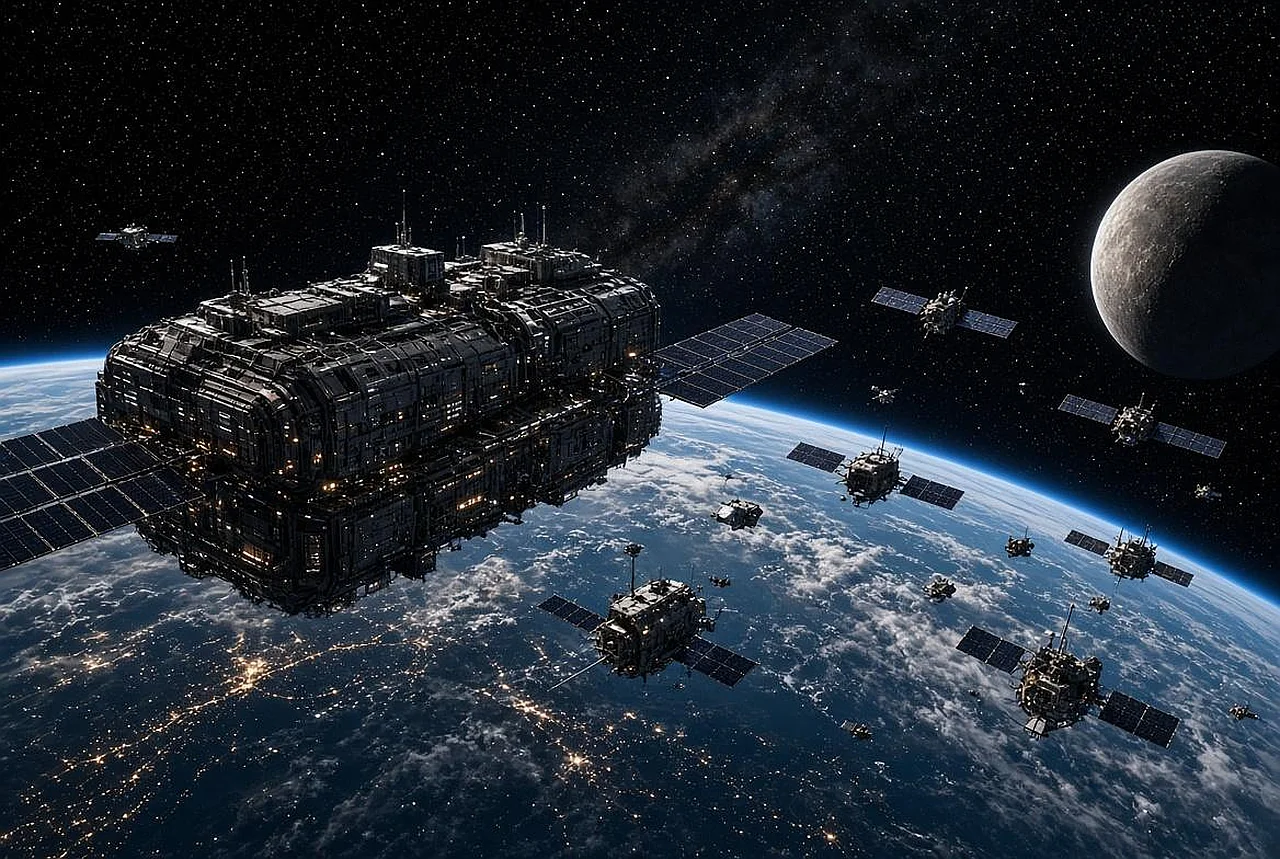
The rapid development of artificial intelligence technologies and their growing energy needs are expected to encounter physical limitations on Earth in the future. Entrepreneur and engineer Elon Musk says that by around 2029, computing centers located in orbit could become the only way to further increase AI capabilities. This approach is significant because it is seen as a new stage in addressing the energy shortages and infrastructure challenges emerging in the modern technology landscape. This was reported by Ixbt.com reports .
According to ixbt.com, the main reasons for this strategic shift are the shortage of electricity and difficulties obtaining the permits needed to build new large-scale facilities on Earth. As electricity consumption by AI data centers continues to rise sharply worldwide, interest in the idea of space-based infrastructure is growing by the day.
Space Clusters and the Energy Problem
According to experts, the core idea is to place massive computing clusters directly in orbit. There, they could receive continuous, direct power from solar panels without putting additional strain on terrestrial energy grids. This solution would reduce the negative impact on Earth’s environment while opening the way to virtually unlimited expansion of computing capacity.Earlier, in February 2026, the merger of SpaceX and xAI was announced. At the time, it was stated that the primary goal of the combined entity would be to launch data centers in orbit and create a “smart Sun” system. Musk also said for the first time that deploying computing capacity in space within two or three years could be far more cost-effective than terrestrial solutions.
Technical Obstacles Facing the Project
However, this ambitious initiative also faces serious obstacles and skepticism. In particular, in April 2026, it emerged that there were doubts even within SpaceX about the commercial viability of orbital AI centers. In its preliminary registration documents, the company acknowledged that the project was extremely complex technically and that the entire strategy depended on successful Starship flights.Similarly, a public dispute between Elon Musk and OpenAI chief Sam Altman in July 2026 showed that the challenges surrounding space-based data centers have not yet been fully resolved. It emerged that the large-scale deployment of orbital infrastructure is being delayed by the lack of affordable reusable launch vehicles and industrial-scale satellite production. Such capabilities may only fully emerge in the 2030s.


Comments 0
…