


Qualcomm Licenses Huawei's LogicFolding Technology
Despite strict US sanctions and limited access to state-of-the-art EUV lithography equipment, China's Huawei has achieved a significant intellectual breakthrough in the microprocessor market. According to Bloomberg, Qualcomm, a leading US chipmaker, has signed a multi-year patent licensing agreement with Huawei and expressed interest in the Chinese giant's advanced developments. This was reported by Ixbt.com reports.
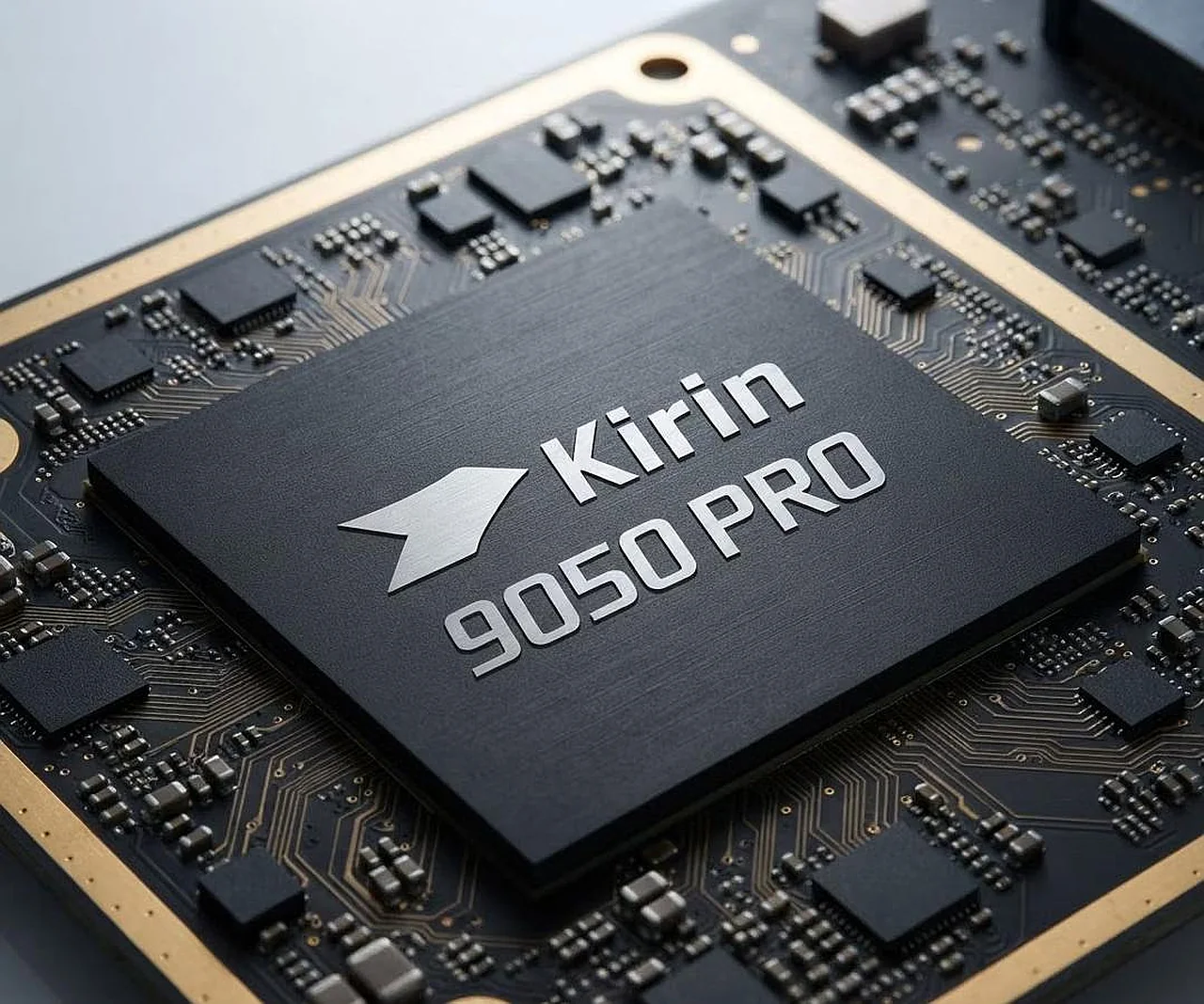
Under this agreement, Qualcomm has acquired rights to the Chinese company's new LogicFolding technology. This architectural solution has already been implemented in the latest Kirin 9050 Pro SoC found in the Huawei Mate 90 Pro Max smartphone, marking a new milestone in enhancing mobile processor efficiency.
Innovative Approach and 3D Components
Huawei introduced the LogicFolding technology to the public a few months ago. This new approach allows for a significant increase in overall performance by modifying chip architecture and the vertical composition of multiple dies within a single package.Specifically, the new technology involves integrating the system into two parts. The bottom layer is responsible for primary calculations and operations, while the top layer contains cache and SRAM. This vertical arrangement allows for more transistors and increased memory capacity without enlarging the chip size.
An Alternative Solution Amid Sanctions
This technological approach is of strategic importance for Huawei during the era of US export restrictions. Since Chinese manufacturers cannot freely access modern ASML EUV lithography systems, they are forced to achieve high performance not only by moving to thinner process nodes but also by improving architecture and chip packaging technologies.Experts note that LogicFolding technology fully aligns with the global trend in the semiconductor industry. Today, industry leaders are not just shrinking transistors but are relying on 3D die composition, high-speed data exchange, and advanced packaging methods.


Comments 0
…