


Huawei creates new generation Kirin chip using a novel method
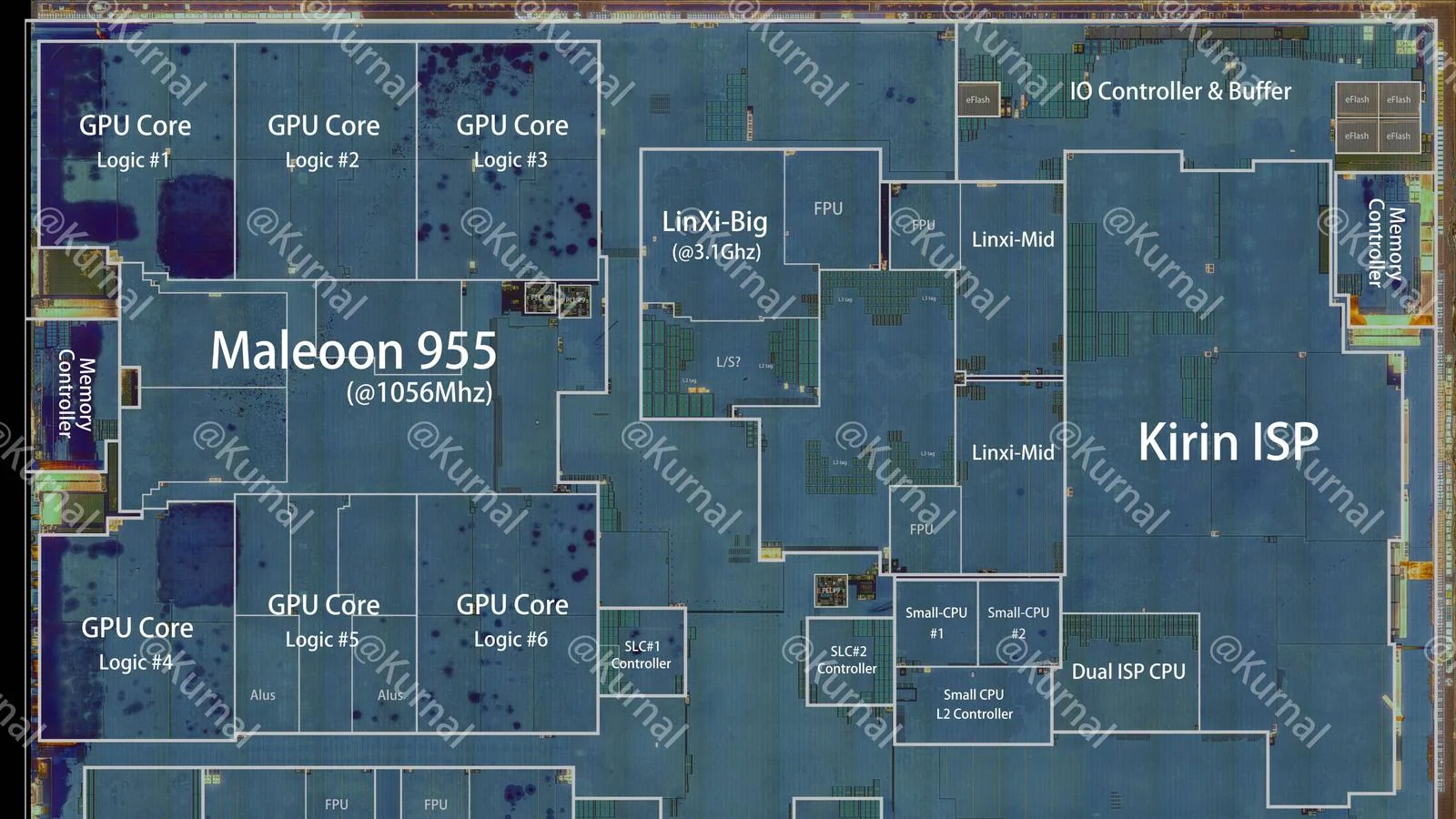
Huawei has reached a new milestone in mobile processor manufacturing, discovering a unique way to increase density without shrinking transistor sizes. According to ixbt.com, the new Kirin 9050 Pro processor consists of several active silicon layers stacked vertically, a technology that significantly expands the chip's capabilities. This is reported by Ixbt.com .
According to the Kurin Insights analytical center, the creation of the new mobile processor utilized LogicFolding technology. This approach allows for a significant increase in component density without requiring a reduction in transistor size. As a result, the company managed to bypass existing technological limitations.
Two-layer architecture and its advantages
The Kirin 9050 Pro features a structure consisting of two separate crystals stacked on top of each other. One contains the main computing logic, while the second layer is dedicated to SRAM and cache memory. These two parts are interconnected via numerous vertical links with a very small pitch.Such an advanced approach allows for shortening the distance between computing blocks and memory. This reduces latency in data exchange processes and increases overall performance. Interestingly, the dimensions of both silicon layers are almost identical, each measuring approximately 11.13 × 10.84 mm, or 120.65 mm².
Manufacturing process and technological complexities
According to the source, Huawei and SMIC are using different technological processes for the two parts of the processor. Specifically, it is assumed that the computing crystal is manufactured based on SMIC N+3 technology, while the N+2 process is used for the memory crystal. Splitting the processor into parts also has certain advantages from a manufacturing perspective.The smaller the area of individual crystals, the lower the probability that a random defect will render the entire chip unusable. However, the subsequent vertical assembly process makes production significantly more complex, which may lower the final yield of functional processors.
Due to these manufacturing difficulties, the application scope of the Kirin 9050 Pro processor is currently limited. Reports indicate that Huawei is installing this advanced SoC chip only in its top-tier flagship smartphones, specifically the Pro Max and RS versions.


Comments 0
…