


Google's SynthID technology exposes major fake image for the first time
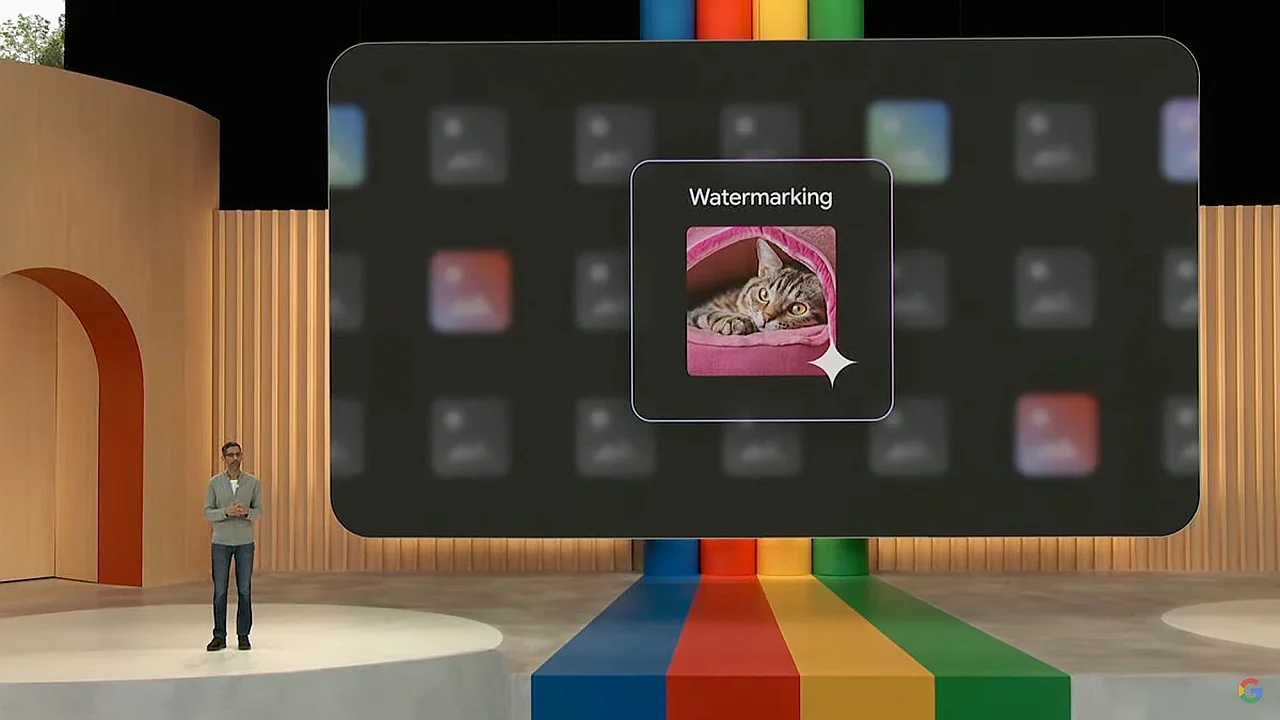
A significant turning point has been reached in the fight against AI-generated fake content. The SynthID digital watermarking system, developed by Google, successfully identified a sensational fake image involving prominent US Senator Mitch McConnell. This incident proves the effectiveness of technology designed to label products created by neural networks in real-world scenarios. This is reported by Techcrunch.com reports.
Earlier this week, an image depicting Kentucky Senator Mitch McConnell lying in a hospital bed in critical condition spread widely on social media, particularly on Reddit and X. The image showed the politician connected to various medical tubes, which further fueled concerns about his health. However, according to ixbt.com, the fact-checking portal Snopes verified the image and confirmed it was entirely fake.
The power of the invisible watermark
Google's SynthID system played a key role in exposing this fake. This technology embeds a special digital signature into the pixel layer of an image that is invisible to the human eye. When Snopes experts scanned the image, they detected the invisible watermark indicating it was a product of AI. This made it possible to definitively prove the image was not authentic.Senator McConnell's health has been in the public eye following an emergency incident in mid-June. His long absence from public view had been fueling various rumors. In such a situation, a high-quality deepfake could have misled many, but modern detectors performed their task.
How does SynthID work?
Google introduced its SynthID technology at the 2025 I/O developer conference. The uniqueness of the system lies in the fact that it embeds the digital watermark into the image itself in such a way that it does not lose its properties even when the image is screenshotted or transferred to other platforms. In the case of McConnell, even though the image was re-uploaded several times, the algorithm was able to recognize it.Currently, this security system is integrated into all Gemini models. Additionally, in 2026, OpenAI joined this initiative and began implementing the SynthID watermark into its image generation tools. This indicates that global tech giants are uniting against disinformation.
It is worth noting that SynthID can currently only identify images created with tools from companies participating in this program (Google, OpenAI). For example, some major companies like Anthropic have not yet joined this system. Users can check suspicious images via Gemini or using OpenAI's open verification tools.


Comments 0
…