


AMD is testing 8x frame generation for new Radeon graphics cards
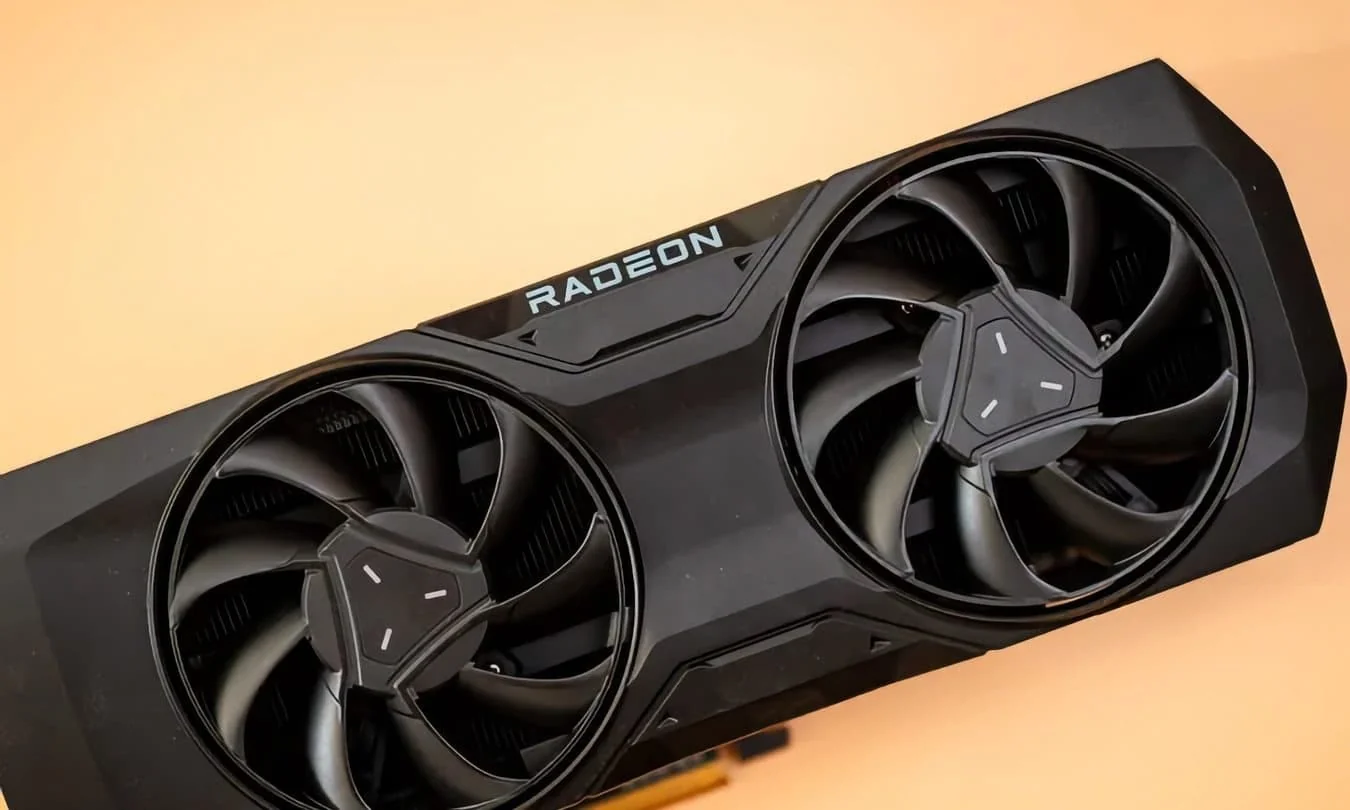
AMD, a major player in the GPU market, is secretly testing revolutionary Multi-Frame Generation technology for its Radeon graphics cards. This feature allows the creation of up to 8 artificial frames for every real frame, which is expected to bring image smoothness and performance in games to an unimaginable level. This is reported by Ixbt.com reports .
Chiphell forum users discovered this innovation in the internal settings of AMD drivers using the RadeonTuner tool. Specifically, in the Adrenalin 26.6.2 WHQL driver, when working with the Radeon RX 9070 XT graphics card, four new parameters appeared in the FSR section, including the 8x coefficient FSR Multi Frame Generation Override function. Although the company has not yet made an official statement, the changes in the drivers indicate that the technology is in the final stages.
Competition with NVIDIA and new opportunities
According to ixbt.com, this AMD innovation is aimed at surpassing its main competitor, NVIDIA. Currently, NVIDIA technologies support a maximum of 6x frame generation (5 additional frames for 1 real frame). AMD plans to reach 8x, aiming for absolute market leadership. Considering that current Radeon cards can only create one additional frame, this is a huge technological leap.New drivers contain not only frame generation but also other functions to improve image quality. These include FSR Ray Regeneration Denoiser, which improves ray tracing quality, and FSR Neural Radiance Caching, which caches lighting data using neural networks. These technologies serve to make visual effects in games look even more realistic.
First tests and challenges in games
Currently, these advanced features are being tested in a limited number of games, specifically projects like Call of Duty: Black Ops 7 and Crimson Desert. Users will have the ability to choose the balance between performance and image quality through the FSR Redstone update. However, such a sharp increase in frame rate brings its own challenges.One of the main problems is input lag and inconsistent image output. When 7 artificial frames are inserted between each real frame, the response to player actions may slow down. AMD engineers are currently working on minimizing these delays and eliminating visual artifacts.
This news is also important for gamers and esports athletes. Once the new Radeon RX 9000 series graphics cards hit the market, this technology will make it possible to play the most demanding games in high quality even on mid-range systems. The official release date for the Multi-Frame Generation function has not yet been announced, but the preparations in the drivers indicate that it will not be long.


Comments 0
…