


New plans to increase life expectancy in Uzbekistan have been approved
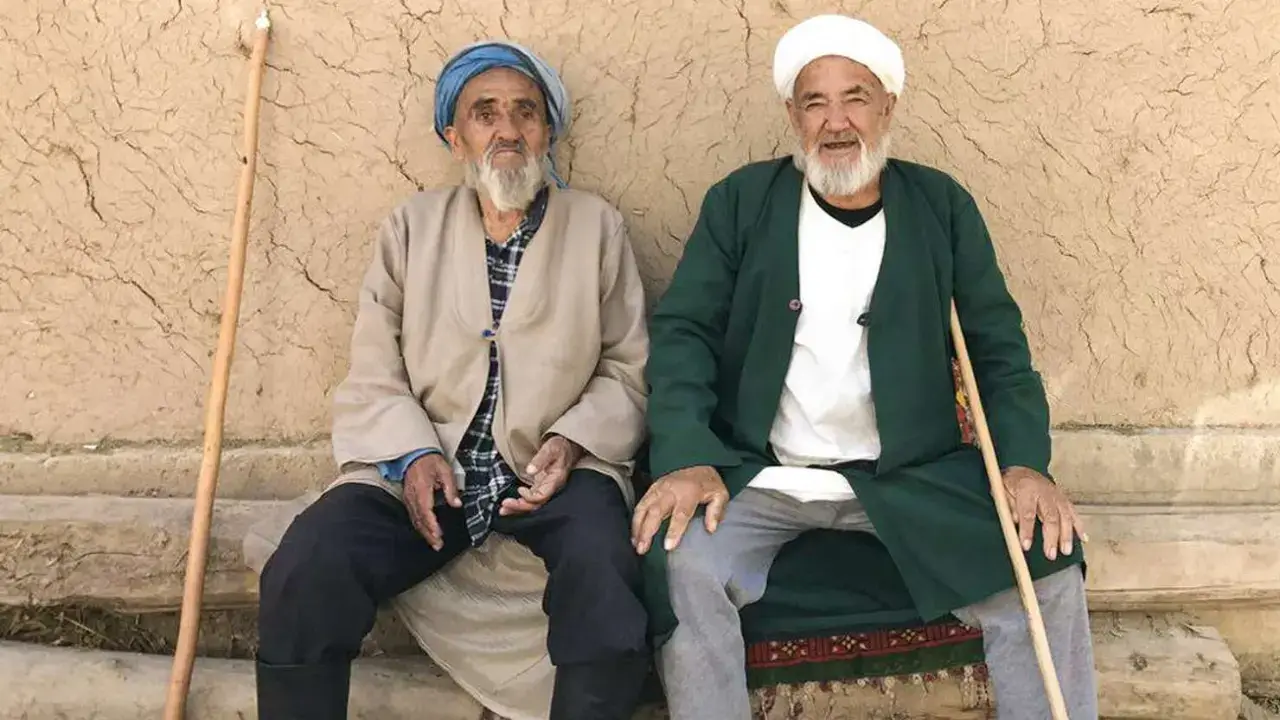
In Uzbekistan, a large project has been developed to increase the average life expectancy of the population to 78 years by 2030. This plan was created in response to the need for deeper reforms in the healthcare system and improvements in the health of the population. According to the new strategy, by 2026, this figure will reach 75.5 years, by 2027 — 76 years, by 2028 — 76.8 years, by 2029 — 77.5 years, and by 2030 — 78 years.
To achieve this, the share of funding allocated to healthcare from the state budget is planned to increase to 5% of the GDP by 2030. Additionally, specific goals have been set, including:
-Reducing premature deaths from cardiovascular diseases among people aged 30-69 by 27%;
-Reducing premature deaths from cancer among people aged 30-69 by 5.2%;
-Ensuring 100% coverage of treatment for diabetes patients;
-Ensuring that premature deaths from respiratory diseases among people aged 30-69 do not exceed 1.5%;
-Ensuring that tuberculosis incidence does not exceed 33%.
According to the National Statistics Committee, the dynamics of the average life expectancy in Uzbekistan are as follows:
-In 1991 — 66.4 years;
-In 1995 — 69.1 years;
-In 2000 — 70.8 years;
-In 2005 — 71.8 years;
-In 2010 — 73 years;
-In 2015 — 73.6 years;
-In 2020 — 73.4 years;
-In 2023 — 74.7 years;
-In 2024 — 75.1 years.
President Shavkat Mirziyoyev, speaking at the Independence Day celebration in August 2025, noted that over the past few years, the funds allocated for healthcare have increased sixfold, and as a result of improved living conditions, the average life expectancy has increased from 73.8 years to 75.1 years. These changes demonstrate significant progress in ensuring the health of the population and improving the quality of life in Uzbekistan.


Comments 0
…