


Support for vulnerable families to increase in winter: new measures announced
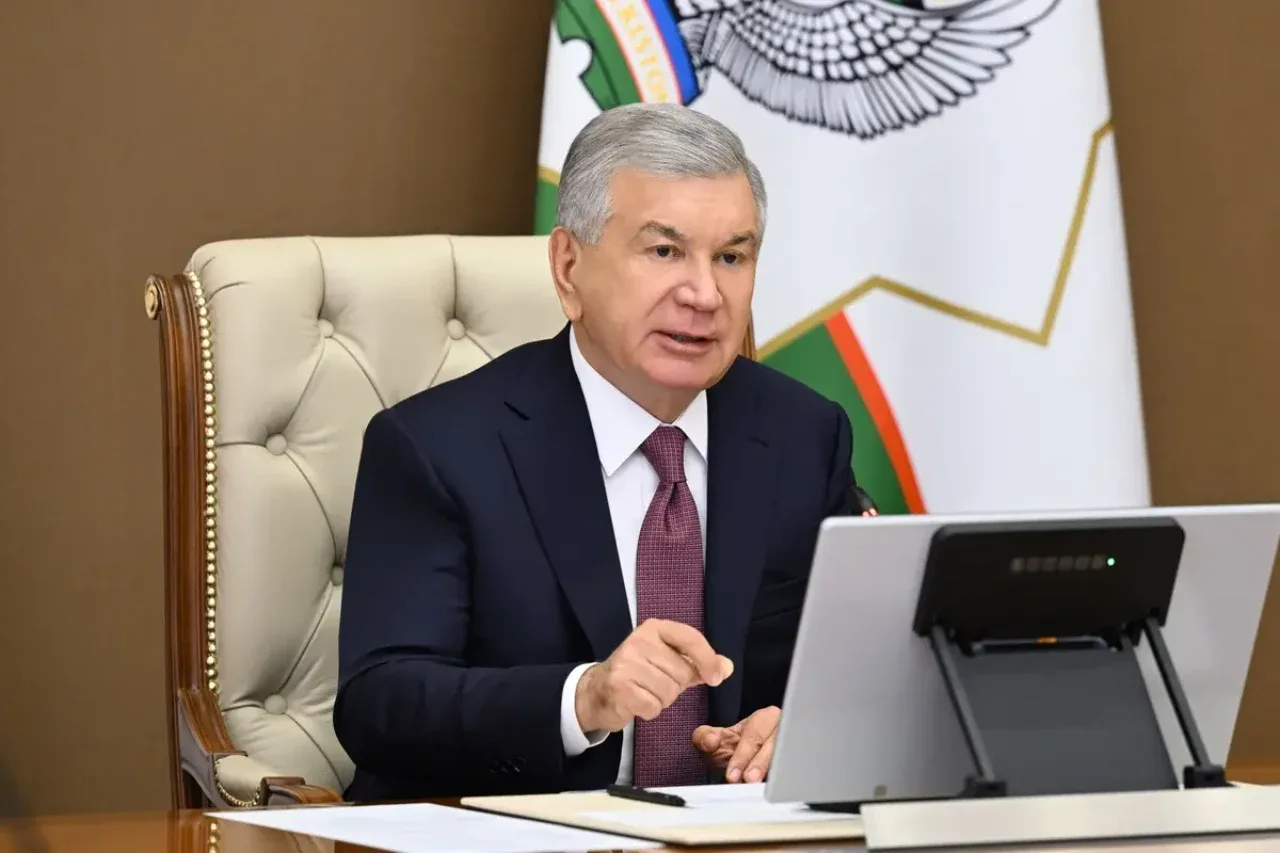
As the winter season approaches, a number of new measures have been proposed aimed at easing the expenses of vulnerable families for electricity, gas, coal, and utilities. One of the most important new developments is the increase of the preferential baseline norm for electricity in non-gasified regions.
President Shavkat Mirziyoyev reviewed a presentation of proposals on supporting the population, especially socially vulnerable families, during the autumn-winter season.
This is not just about one-time assistance, but about expanding mechanisms to cover utility costs during the winter period and increasing the scope of support.
Baseline norm for electricity to be increased
At the presentation, the proposal to increase the baseline norm for electricity from 200 kilowatt-hours to 350 kilowatt-hours during the heating season in non-gasified regions and areas where natural gas has not reached was approved.
This could become a significant change, especially for households that heat their homes with electricity in the winter.
Because during the cold season, the demand for electricity increases sharply compared to usual. Therefore, alleviating electricity costs in areas without a gas network is of particular importance.
Vulnerable families may receive one-time assistance in December
Another important proposal was put forward at the presentation.
According to it, it was proposed to consider the issue of allocating one-time financial assistance to vulnerable families in December.
This measure is expected to provide additional support in covering the most essential expenses of families on cold days.
However, when determining assistance, the main focus will be on targeting. That is, state support must reach truly needy families.
An additional 166 thousand families may be supported
Another piece of news relates to families who are not included in the Social Register but are in need of assistance.
According to the proposal, it is envisaged to increase the income criterion per family member to 1 million 430 thousand soms in covering the costs of electricity, gas, coal, and utilities.
As a result of this change, the scope of support is planned to be expanded to another 166 thousand families.
Thus, the social assistance system may not be limited only to families included in the official register, but also cover other needy households whose income is below the established criterion.
Compensation period may be extended until 2028
It was proposed to continue the mechanism of covering a part of the costs for consumption exceeding the baseline norm for electricity and gas.
It is envisaged to extend this compensation period until April 1, 2028.
According to calculations, this measure can cover 470 thousand families in a year.
The extension of this mechanism is expected to serve to ease costs for households with high energy consumption during the winter season.
3 thousand households in severe conditions will also be assisted
Support is not limited to partial coverage of payments.
Thermal insulation and provision of energy-saving equipment for 3 thousand households in neighborhoods with difficult conditions will also continue.
This measure is aimed at reducing energy consumption and efficiently retaining heat in households in the long term.
### Main task — delivering assistance to the rightful recipient
The President instructed the government to timely direct funds for the designated assistance, ensure targeting in identifying needy families, and strengthen control so that the allocated support reaches every family.
This issue is especially important. Because along with increasing the volume of social assistance, its fair distribution must also be ensured.
The issue of preparation for the autumn-winter season in the energy sector has been on the agenda beforehand. In particular, in July, measures for preparation for the 2026–2027 autumn-winter season were presented to the President, and tasks for gas supply, repairing networks, and forming fuel reserves were defined.
Also, as a result of analyzing appeals in the fuel and energy sector, the task was set to identify regions experiencing problems in electricity and gas supply and take targeted measures regarding them.
Requirements for energy enterprises will also be tightened
Along with assistance to the population, the issue of increasing efficiency within the energy system itself was also considered at the presentation.
Instructions were given to transform the activities of enterprises producing and supplying energy resources, increase management efficiency, and reduce excess costs and network losses.
Behind this lies one important goal: simultaneously supporting the population while increasing the stability and efficiency of the energy system.
In July, the President noted that there are 1,916 neighborhoods in the energy sector where gas supply is difficult, and set the task of preparing accurate calculations to strengthen electrical infrastructure and meet additional energy needs in such regions.
Main changes for the population ahead of winter
If the proposals are approved, several important mechanisms are expected to operate for vulnerable families during the autumn-winter season:
the baseline norm for electricity in non-gasified regions will be increased to 350 kWh;
the issue of allocating one-time financial assistance to vulnerable families in December will be considered;
another 166 thousand families will be covered due to the income criterion being increased to 1 million 430 thousand soms;
it is proposed to extend the compensation period for electricity and gas until April 1, 2028;
it is planned to support 470 thousand families in a year through this mechanism;
3 thousand households in severe conditions will be provided with heat retention and energy-saving equipment.
These measures, aimed at easing the expenses of the population during the winter season, are of particular importance, especially for families with low incomes and high demand for energy resources.
The most important issue is that the established assistance mechanisms do not remain merely on paper — funds must be allocated on time and truly reach every needy household.



Comments 0
…