


Hezbollah and Iran's attack on Israel: the situation in the region has escalated...
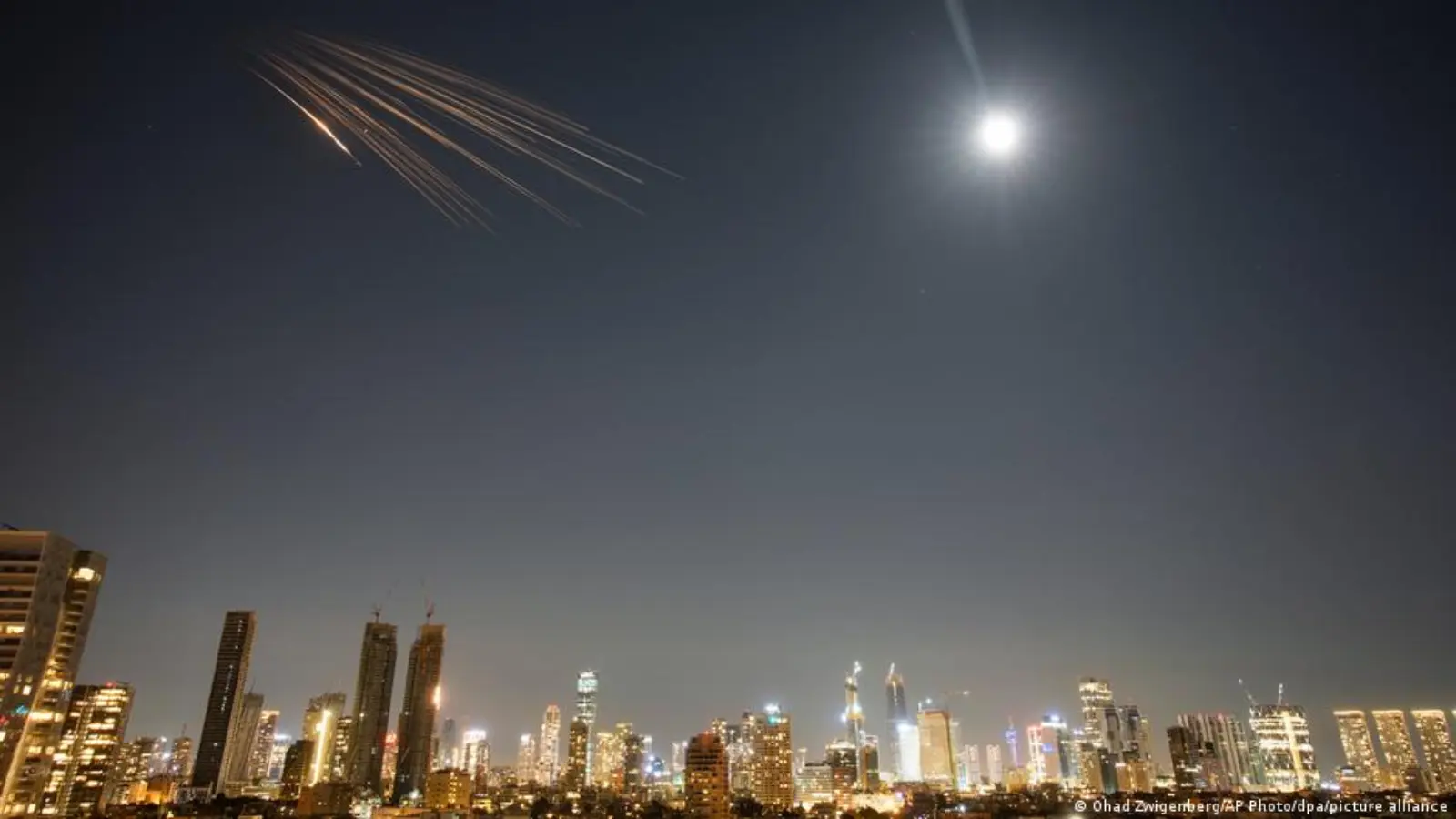
Photo: Ohad Zwigenberg/AP
In the Middle East, the situation has reached an extremely dangerous point. The night of March 11 became a real test for Israeli cities: unprecedented missile strikes by the Hezbollah movement in Lebanon and Iran brought the region to the brink of irreversible processes. Zamin.uz presents the latest details of this fierce clash.
On Thursday, around 8:00 PM, air raid sirens continued in the northern and central regions of Israel. Nearly 150 rockets fired by the Hezbollah group covered the sky of Haifa and its surroundings.
Chronicle of collision: Rocket shower and drone attack
According to the Israel Defense Forces (IDF), the majority of the attacks were successfully repelled. However, the Lebanese group called these strikes part of an "integrated operation."
- Coverage of the attack: Military installations and settlements within 5 kilometers of the border were targeted.
- Iranian intervention: Simultaneously with the shelling from Lebanon, ballistic missiles were launched from Iranian territory. The Israeli side stated that all these shells were intercepted.
- Losses: According to initial reports, at least two citizens were injured.
"Epic Fury" and its consequences
The beginning of this tension was triggered by the "Epic Fury" operation against Iran, conducted by the US and Israel on February 28. At that time, the Supreme Leader of the Islamic Republic, Ali Khamenei, and other high-ranking officials were killed. The current attacks are a response to these losses by Tehran and its allies.
Social and military manifestations of the situation:
- Israel's response - 10 headquarters in Beirut (Dahiya) were destroyed;
- Humanitarian crisis - up to 500 thousand Lebanese fled to the north;
- Martial law - SAHAL expanded ground operations in southern Lebanon;
- Airstrike on Iran - an airstrike was carried out on IIMK facilities in Tehran.
Unexpected position of the Lebanese government
Against the backdrop of the bloody clashes, Lebanese Prime Minister Nawaf Salam issued a sharp statement. He stated that Hezbollah's military activities in the country must be banned, and its members must be disarmed. This indicates significant changes in Lebanon's domestic policy.
Important note: Navigation in the Strait of Hormuz has almost stopped. The sharp rise in global oil and gas prices has become another blow to the global economy.
Currently, the situation in northern Israel and around Tel Aviv remains dangerous. The fact that both sides are preparing for new strikes indicates that the flames of war in the region will not die out soon.
Do you think this "chain reaction" in the Middle East could turn into a global war? Will the Lebanese government's demand to disarm Hezbollah be fulfilled?



Comments 0
…