


Tokayev's initiative: Kazakhstan is fundamentally changing the system of public administration
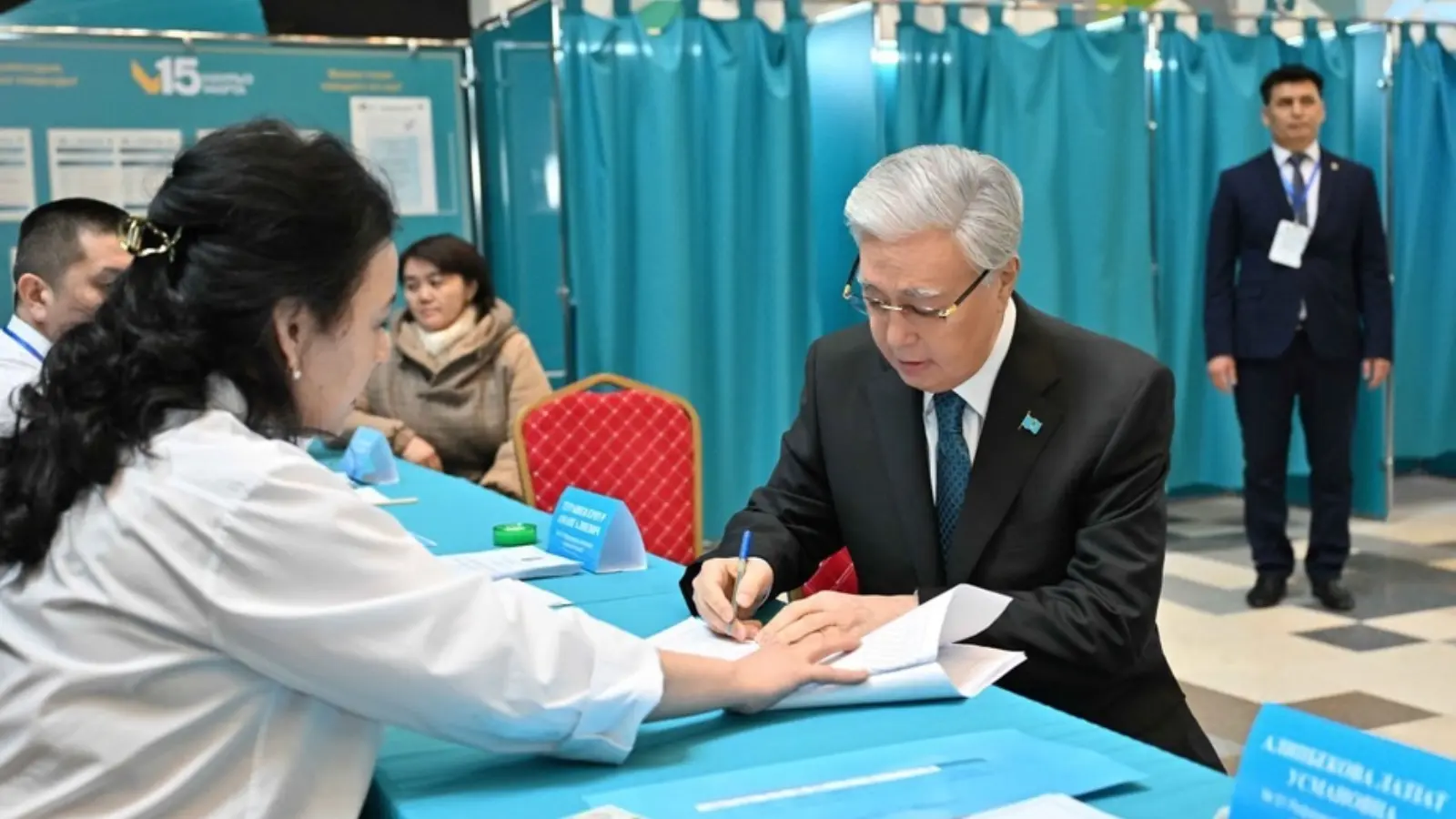
A historic turning point has occurred in the political life of Kazakhstan. The nationwide vote on the draft of the new Constitution, which defines the future of the country, is actively continuing. Zamin.uz analyzes the most noteworthy aspects of this important political event.
Today, March 15, citizens of Kazakhstan are voting for the draft of the new Constitution, put forward by President Kassym-Jomart Tokayev. Voter turnout is observed at polling stations opened throughout the country and abroad.
Referendum in numbers
- Voters: Approximately 12.5 million citizens have the right to vote.
- Polling stations: More than 10,000 polling stations are operating in the country, and 71 stations are operating in 54 countries (11 stations were closed due to tensions in the Middle East).
- Budget: 20.8 billion tenge (about $42 million) has been allocated for the event.
- Result: By 2:00 PM local time, voter turnout was 51.93%. Thus, the referendum was considered valid.
Parliamentary reform: From the Majlis to the "Kurultai"
One of the most important points of the new project is the rejection of the bicameral parliamentary system. Now the legislative body is called the Kurultai.
- Composition: a unicameral system of 145 members.
- Electoral system: Transition to a fully proportional (based on party lists) system.
- Criticism: Opposition and independent experts are concerned about the exclusion of independent candidates and difficulties with party registration.
Enhancement of presidential powers
The Constitution in the new edition provides the head of state with broad opportunities:
- Independent appointments: The President can now appoint the Prosecutor General, the Chairman of the National Bank, and the heads of the Supreme and Constitutional Courts without parliamentary approval.
- The position of Vice President: A new position of Vice President will be introduced in the country. He is appointed by the president and becomes the number one person if he is unable to perform the duties of the head of state.
- Dissolution of Parliament: If the Congress rejects the proposed important candidates twice, the president gains the right to dissolve it and issue legally binding decrees.
"People's Council" and the rule of law
The new document provides for the creation of an advisory body called the People's Council. It consists of 166 members appointed by the president and has the authority to initiate legislation.
Another important change is the abolition of the principle of the supremacy of international treaties over national laws. Officials call this strengthening of national sovereignty, while critics fear that international human rights oversight may weaken.
In your opinion, how will such radical political changes in Kazakhstan affect stability in the region? Will the single-chamber "Kurultai" system be effective?



Comments 0
…