


Trump Is Transforming the White House: Supreme Court Clears the Way for Military Bunker Construction
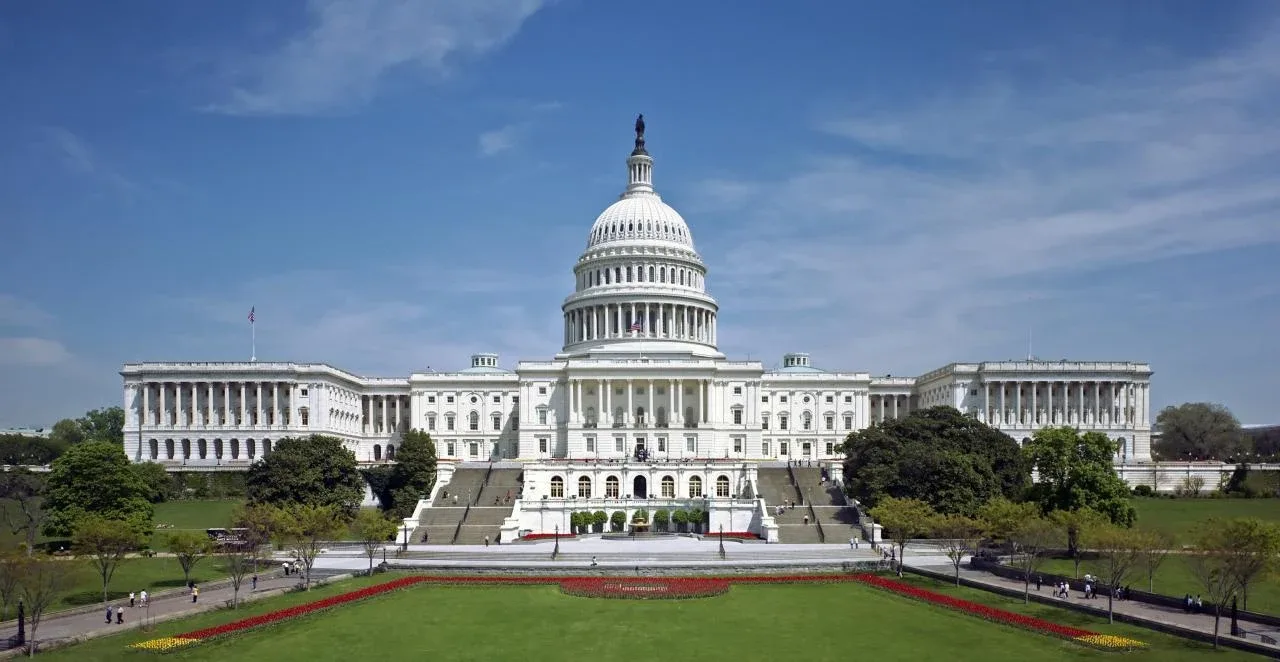
US President Donald Trump has been allowed to continue one of his most controversial projects to transform the White House. On August 21, US Chief Justice John Roberts temporarily blocked a lower court ruling that had halted construction.
The decision allows the Trump administration to continue construction for now on a new ballroom project on the White House grounds. But there is an important caveat: The Supreme Court has not yet issued a final ruling on the project's legality.
1. What is Trump building?
This is not simply a renovation.
The Trump administration is building a large ballroom, along with related security and military infrastructure, on the site of the White House's historic East Wing. The project is currently estimated to cost about 400 million dollars while the main structure is planned to cover nearly 90,000 square feet .
Trump himself has presented the project not only as a ballroom for ceremonies, but also as an important complex from a national security perspective.
But the central question for the courts is different: Can the president carry out a change of this scale without Congress's approval?
That question lies at the heart of the entire dispute.
2. Why did the courts try to stop construction?
The White House is not merely an ordinary presidential residence, either historically or legally.
The Trump administration argues that the president has authority to make certain changes to the executive residence. But opponents of the project say that demolishing the East Wing and replacing it with a huge new structure cannot be described as a simple renovation or improvement.
A federal appeals court in Washington also concluded that the president does not have unlimited authority to fundamentally alter the White House according to personal preferences. The court indicated that the project may require congressional approval.
For that reason, the Trump administration brought the matter to the Supreme Court.
3. What does John Roberts's decision mean?
On August 21, Chief Justice John Roberts issued an administrative stay against the lower court's ruling.
This does not mean that the court has approved all of Trump's claims.
Instead, the Supreme Court is taking time to consider the administration's emergency application. In the meantime, construction has been allowed to continue. It is not yet clear how long the decision will remain in effect.
So the most important distinction here is:
"Construction has been allowed" — yes.
"Construction has been declared legal" — not yet.
4. Why is Trump in a hurry?
The project has become one of the biggest White House initiatives of the president's second term.
The administration says construction is progressing rapidly and that much of the project has already been completed. In materials submitted to the Supreme Court, the White House argued that stopping the work could cause significant harm.
Trump, meanwhile, is linking the project to national security.
The president has described the new complex as one of the largest and most important facilities of its kind. In his view, new opportunities are needed for security infrastructure and modern reception events.
5. It does not end with the ballroom
Trump's changes to the White House are not limited to a single project.
He has a series of initiatives aimed at modernizing the presidential residence. That is why today's court decision matters not only for the fate of one construction project, but also for Trump's broader plans to reshape the White House.
Historical preservation, presidential powers, and congressional oversight of federal property are all colliding in this process.
6. The biggest debate: Who owns the White House?
That is also the most intriguing aspect of the matter.
The White House is the sitting president's workplace and residence. But it is also one of the historic symbols of American statehood.
That is why the dispute is not only about architecture or construction.
It is also about the limits of presidential power .
If the Supreme Court ultimately supports the Trump administration's position, it could establish an important legal precedent concerning a president's authority to make large-scale changes to the executive residence.
If the ruling goes the other way, Trump's plans to rebuild the White House will face a serious obstacle.
7. Will Washington's appearance change?
Trump's plans are not limited to the White House grounds.
Other major architectural projects in Washington are also being discussed. As a result, some of the capital's symbolic areas could change significantly during the president's second term.
For now, however, the biggest question is the White House ballroom.
That is because the project has become about something larger than architecture.
Conclusion: Construction continues, but the battle is not over
John Roberts's August 21 decision was an important tactical victory for Trump: The controversial White House construction will not be halted for now.
But this is not a final victory.
The Supreme Court still must issue a final ruling on the project's legality. Thus, while construction equipment operates at the White House, Washington's central political and legal question remains open:
To what extent can the president alter one of America's most famous national symbols without Congress's approval?
For now, Trump is continuing construction. The next step is to await the Supreme Court's further decision.



Comments 0
…