


"We will not back down and will deliver a crushing blow!": Iran expresses readiness for war with the US
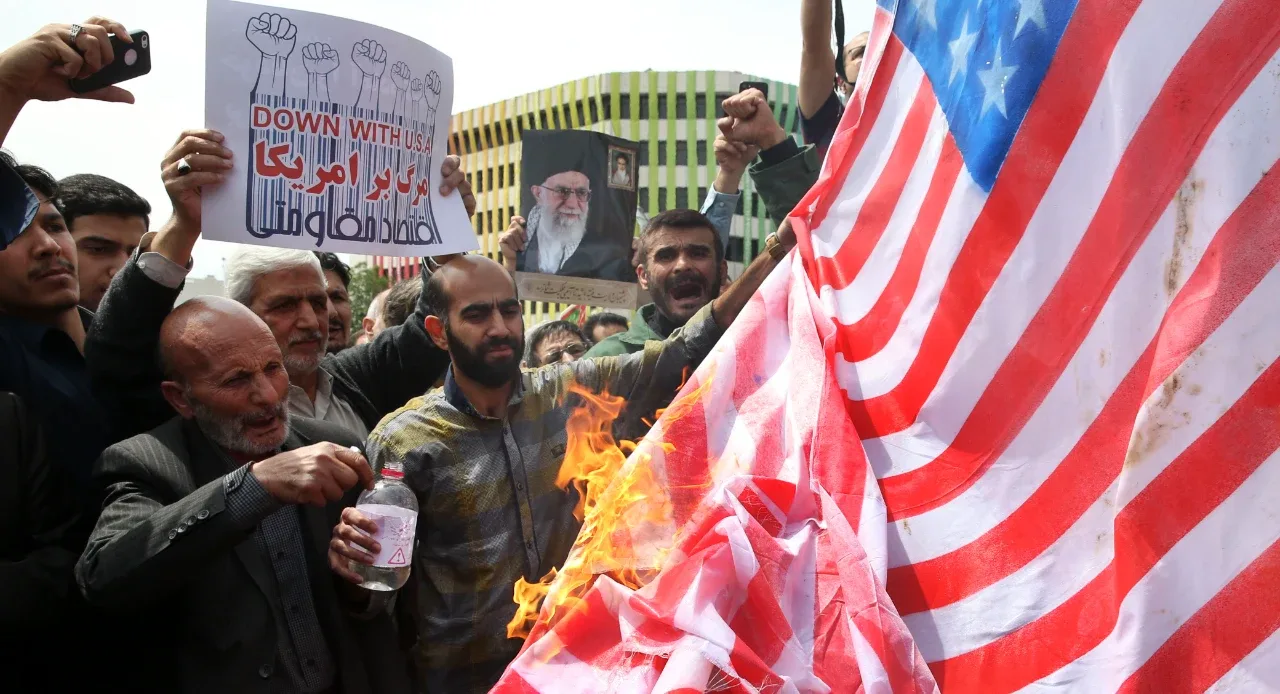
The armed confrontation engulfing the Middle East region has escalated to an unprecedentedly dangerous stage. According to an urgent report by the influential international news agency Bloomberg, official Tehran has no intention of backing down from a war with the United States and is fully prepared to further expand the scale of military clashes. A high-ranking Iranian official told the agency that if US armed forces continue new attacks on Iranian territory and its strategic facilities, the Islamic Republic will sharply increase the intensity of its retaliatory strikes. What worries military analysts the most is Tehran's claim that it possesses a vast missile reserve for a long-term war.
So, how will Iran sustain the war amid 90 percent soaring inflation and halted oil exports, who holds control over the Strait of Hormuz, and why have negotiations been completely frozen? At the end of the article, we will present all the details regarding the regional prospects of this bloody confrontation, which has been ongoing for seven months.
Official warning from Iran: Sufficient missiles for a long war
Speaking to Bloomberg, a high-ranking Tehran official warned Washington and made the following key statements:
The intensity of strikes will increase sharply: If Washington does not stop striking Iranian lands and military-economic facilities, Tehran will multiply the intensity of combat operations and dramatically expand the scope of retaliatory attacks;
Missile stockpiles are full: The Iranian side openly stated that the country possesses a sufficient missile arsenal to wage an intense war lasting for many years;
Recovery after April battles: According to the official, following the severe clashes in April of this year, the country has fully restored its military potential;
Tehran's strategic conclusion: The Iranian leadership firmly believes that the White House only assesses the situation realistically when spoken to in the language of force, threats, and decisive escalation.
"We will not back down. Every new US attack will be met with a retaliatory strike that is several times stronger and more crushing," a high-ranking Iranian source emphasized.
Economic blockade: The reality of 90% inflation and a collapsed rial
Despite the military rhetoric, American restrictions are dealing an unprecedentedly severe blow to Iran's internal financial situation:
Oil exports halted: As a result of unprecedented financial and naval sanctions by the US, oil exports—Iran's main source of revenue—have practically dropped to zero and stopped;
90 percent inflation: Due to a sharp rise in domestic prices, official inflation has reached a horrifying threshold of 90 percent;
Collapse of the national currency: The value of the Iranian rial is falling in a geometric progression, which is sharply worsening the living standards of ordinary citizens.
Seven months of bloody war and the struggle for the Strait of Hormuz
The conflict between the two countries has been ongoing uninterrupted for 7 months now:
The world's oil route is targeted: The primary struggle is for full control over the strategic Strait of Hormuz, through which one-third of the world's transported oil passes;
War of ships and tankers: The targeting of warships, drones, and tankers around the maritime strait is shocking international markets;
No prospects for negotiations: The possibilities of resuming peace talks between Washington and Tehran currently remain completely unknown and abstract.
A geopolitical conflict setting the entire region ablaze
This war between Tehran and Washington is drawing ever closer to an irreversible, catastrophic threshold. On the one hand, Iran, trapped in a 90 percent inflation rate and an economic blockade, sees military escalation as the only way to survive and demonstrate its power. On the other hand, the US deployment of marines to the region's borders and the continuation of airstrikes have brought the conflict to a level that directly threatens the security of Central Asia and the Persian Gulf. If large-scale military operations begin in the Strait of Hormuz and missile strikes intensify, it will bring catastrophic consequences not only for the Middle East, but for the global energy and financial markets.
In your opinion, can Iran, with its economy in severe distress and inflation reaching 90 percent, withstand a long-term war against a global military giant like the US thanks to its missile arsenal? To what levels could a complete closure of the Strait of Hormuz and a large-scale conflict drive world oil prices? Leave your thoughts in the comments and share this analysis of the hot event at the center of global security with your loved ones and politics enthusiasts!



Comments 0
…