


DPRK launched a missile towards the Sea of Japan: How did the US respond to Pyongyang?
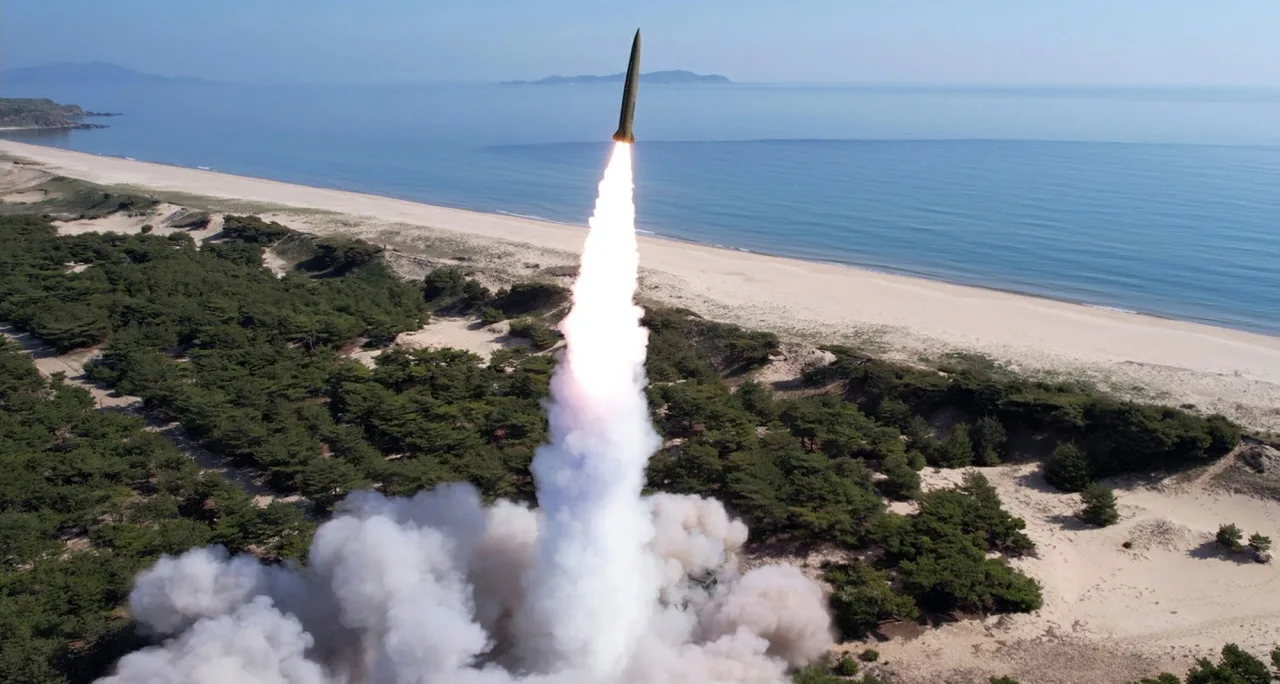
Geopolitical tension in the Pacific region has once again reached its peak. North Korea conducted another missile test on Saturday, putting regional states and overseas military systems on high alert. The Joint Chiefs of Staff of the South Korean Armed Forces officially recorded that the DPRK launched another missile towards the Sea of Japan (East Sea). Against the backdrop of this unexpected démarche by Pyongyang, the US Indo-Pacific Command (USINDOPACOM/USPACOM) immediately issued a special statement, noting that it is monitoring the situation closely and conducting urgent consultations with allies. So, what type of weapon did Kim Jong Un's army test, does it pose a direct threat to Washington and Seoul, and what military-political response is the White House preparing for this test?
«We are aware of the test»: The official position of the Pentagon and US Command
US military circles monitored the trajectory of the weapon launched by North Korea in real-time:
«We are aware of the recent launch»: In a statement by the US Indo-Pacific Command: «We are aware of the recent missile launch. We are conducting close consultations with our allies and partners,» the situation was confirmed;
No direct threat: According to preliminary conclusions by American military analysts, this test does not pose a direct or immediate threat to US personnel, the country's territory, or allies in the region;
An absolute shield for allies: In its statement, the Pentagon once again firmly reiterated that Washington remains committed to its obligations to maintain the integrity of its territory and protect its allies such as South Korea and Japan.
Flight towards the Sea of Japan: Seoul sounds the alarm
South Korean defense agencies disclosed information regarding Pyongyang's Saturday activity:
East Sea direction: According to the South Korean Joint Chiefs of Staff, the launched projectile was directed towards the waters of the Sea of Japan;
High combat readiness: Joint intelligence systems of South Korea and the US are continuing analytical work to determine the missile's range, maximum altitude, and exact type (ballistic or cruise missile);
Vigilance at the border: Seoul has switched border surveillance and radar stations to the highest monitoring mode.
What is Pyongyang aiming for? A new wave of pressure in the region
The DPRK's consecutive missile tests are interpreted by international analysts as having several strategic goals:
Improving military technologies: North Korea continues to rapidly test its missile arsenal, including solid-fuel and maneuvering warheads;
Pressure on the US and its allies: Against the backdrop of pre-election and political uncertainties in Washington, the Kim Jong Un administration is attempting to demonstrate its nuclear-missile status as a position of strength;
Response to joint exercises: Pyongyang views the military exercises conducted by the US, South Korea, and Japan in the region as an open threat and is responding with a «show of force».
North Korea's Saturday missile flight once again proved how fragile the military balance in the Pacific basin is. Although the US says there is no direct threat for now, the defense alliance between Washington, Seoul, and Tokyo will undoubtedly strengthen its rapid response measures.
Do you think the DPRK's relentless missile tests could lead to a new major armed conflict in the region, or is this just a show of political strength before negotiations? Are the US and its allies capable of stopping Pyongyang's missile program? Leave your thoughts in the comments and share this alarming news analysis from the Far East with all your friends!



Comments 0
…