


SpaceX aims to turn Starlink into a full-fledged 5G operator
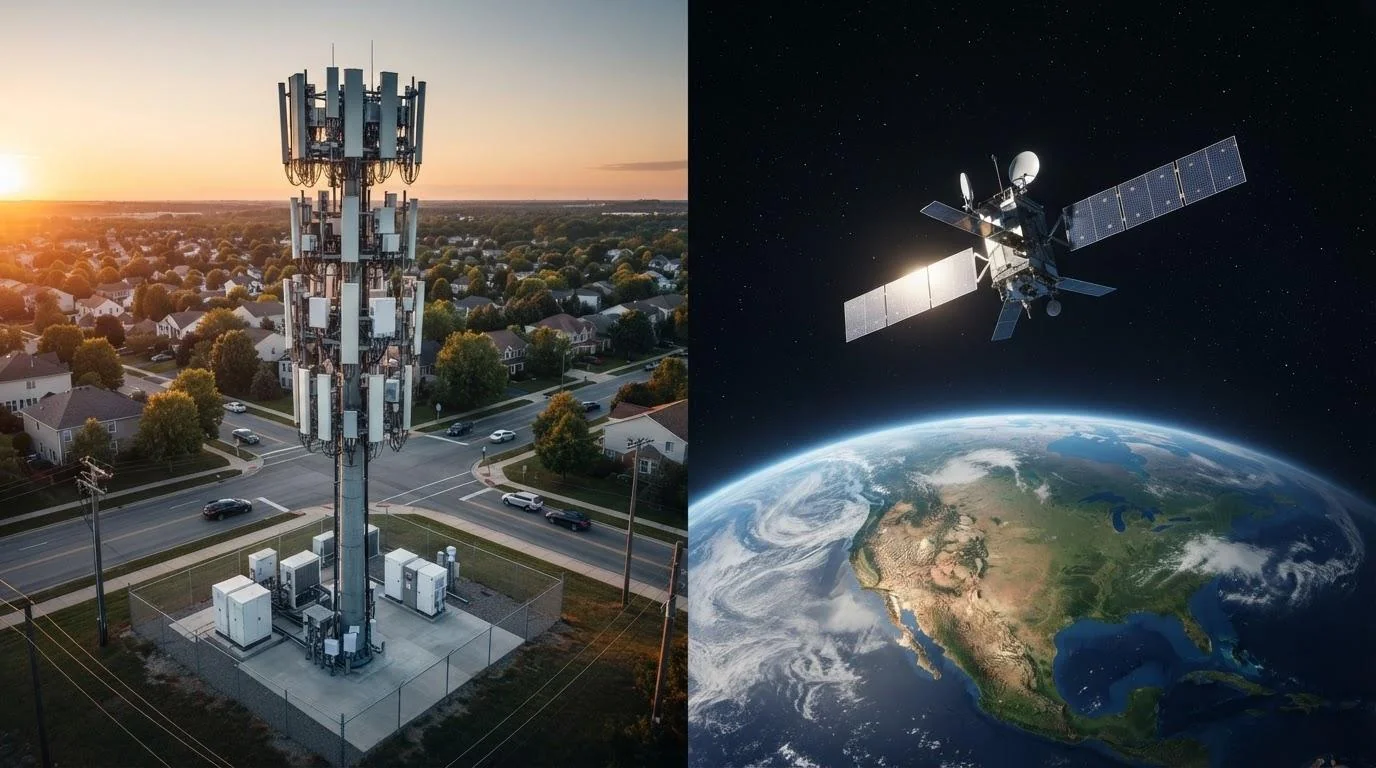
SpaceX, owned by Elon Musk, is exploring the possibility of expanding its Starlink Mobile project to become a full-fledged 5G mobile operator. While this initiative aims to create a global network from space, it is sparking intense debate in the telecommunications market. This is reported by Ixbt.com reports .
According to ixbt.com, the major American telecommunications operator T-Mobile is skeptical about SpaceX's plan. T-Mobile CFO Peter Osvaldik noted that integrating a space-based network to compete with standard terrestrial base stations is currently a very complex technical and economic challenge.
Technical barriers and space communication limitations
Currently, the Direct-to-Cell technology already allows standard smartphones to connect directly to Starlink satellites. For example, the T-Satellite service in partnership with T-Mobile can operate without special antennas by utilizing operator frequencies.However, such connectivity currently lags significantly behind traditional mobile networks. Because satellites are hundreds of kilometers above the Earth and in constant motion, signal transmission is complex. Their power is much lower than terrestrial base stations, making it difficult to ensure stable connectivity, especially inside buildings and vehicles.
Challenges on the path to becoming an independent operator
SpaceX is exploring several avenues to enter the mobile market. One is to act as a Mobile Virtual Network Operator (MVNO) by using other companies' networks. However, according to T-Mobile, major US operators have shown no interest in such a partnership so far.The second path is to purchase its own frequencies and build an independent terrestrial network. But this would require massive investment, many years of time, and the installation of millions of base stations from SpaceX. Additionally, the idea of installing small stations on residential antennas is considered inefficient due to the billions of devices involved and significant radio frequency interference.
Experts believe that bandwidth is also a major problem. While a single satellite can serve hundreds of users in sparsely populated areas, distributing limited space resources in large cities with millions of subscribers presents serious difficulties.


Comments 0
…