


“The war is over, go home!”: Germany plans to deport Syrian refugees
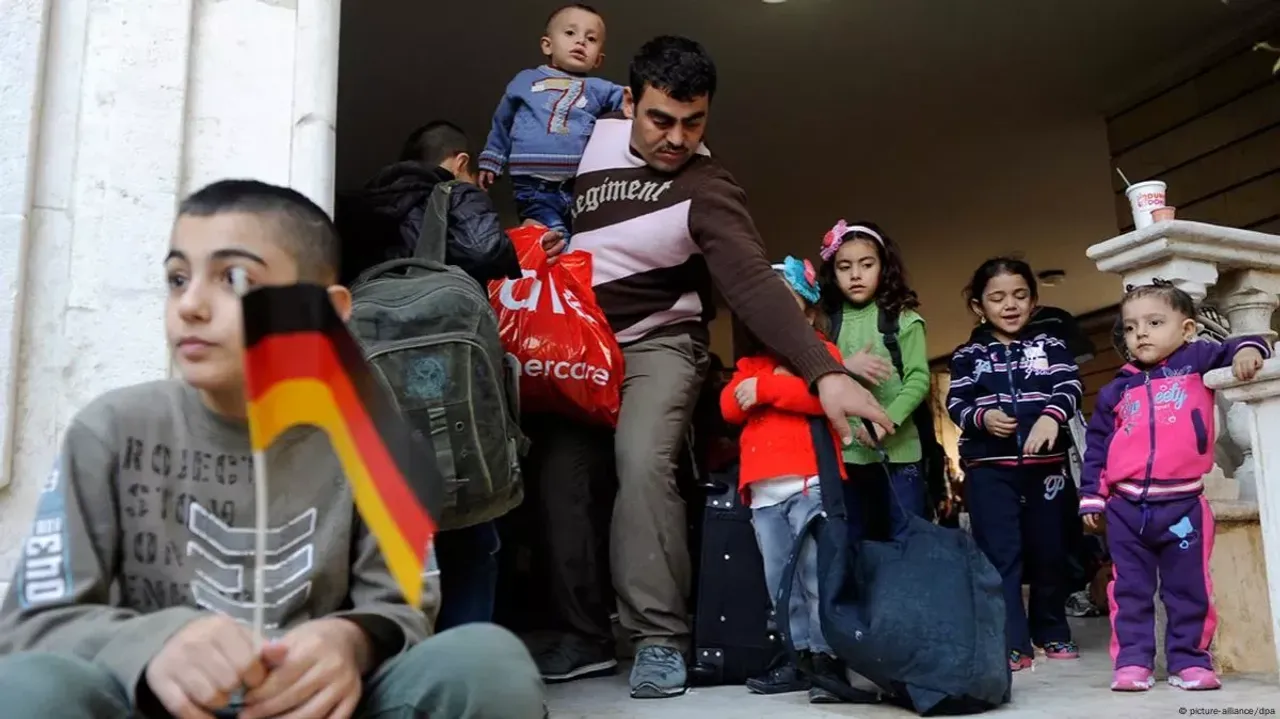
Germany, Europe's strongest economy, is putting a sharp and ruthless end to over a decade of soft migration policy. The Federal Office for Migration and Refugees (BAMF) may soon begin mass revocation of protection status for hundreds of thousands of Syrian refugees living in the country. The influential RedaktionsNetzwerk Deutschland (RND) media group, citing representatives of the Christian Democratic Union (CDU) in the Bundestag, reported that Interior Minister Alexander Dobrindt plans to issue an official directive to BAMF this autumn to strip Syrians of their protection status en masse.
Alexander Throm, the CDU/CSU parliamentary group's domestic policy spokesperson, stated that the revocation process will primarily target "young men living alone who do not work and live off German state social benefits." Those with regular formal employment will be given the opportunity to obtain a formal residence permit (VNJ). At the same time, Berlin is strengthening its program to pay those who voluntarily return home, as politicians believe voluntary departure is much cheaper than forced deportation. Chancellor Friedrich Merz firmly emphasized that the war in Syria is over, refugees must return home, and deportation is inevitable otherwise, personally inviting Syria's transitional president, Ahmad al-Sharaa, to Germany to resolve the issue.
So, how many hundreds of thousands of Syrian lives will this ruthless plan change, how much money is being offered for voluntary departure, and can Germany's new hardline leadership stop the European migration crisis?
“Social benefit recipients targeted, €1000 aid and Merz's deadline”: 5 key points of Berlin's decision
Key facts of Germany's large-scale campaign against Syrian refugees:
Mass revocation of status: Under Interior Minister Dobrindt's directive, BAMF will begin the largest wave of refugee status revocations;
First strike — unemployed men: Young, single Syrian men living on state benefits will be the first to be checked and deported;
Exception for the employed: Syrians with legal, permanent jobs in Germany who pay taxes will be allowed to obtain residence permits;
Voluntary return budget increasing: The current €1000 one-time payment for adults will be significantly increased in the 2027 budget;
Chancellor Merz's strict demand: Under the slogan "The war in Syria is over, go home!", the new government is negotiating a direct deportation mechanism with Damascus's new leadership.
Germany's migration revolution: A comparison of old policy and the new measures of the Merz government
Analysis of Berlin's demands regarding Syrian refugees:
Criteria and directions | Previous policy during the Merkel era | New decision of the Friedrich Merz government |
Granting protection status | Unlimited and almost automatic asylum | Mass screening and wholesale revocation of status |
Social benefits | Housing and full state support | Those who do not work and receive benefits are the first to be removed |
Fate of working refugees | Standard temporary refugee rights | Permanent residence permit (VNJ) granted |
Voluntary return home | Limited programs and low interest | €1,000 per adult and even more in 2027 |
Dialogue with Syria | Complete severance of ties with the Assad regime | Direct deportation negotiations with Ahmad al-Sharaa |
Condition for return | Country considered dangerous | “The war is over” — return or forced deportation |
International politics and migration expertise: Why is Germany taking such drastic measures?
Analytical conclusions of European political scientists and demographers:
Pressure from right-wing forces and public demand: The unprecedented rise of right-wing parties like "Alternative for Germany" (AfD) is forcing the Merz government to take radical steps on migration; voters are openly opposing the spending of the budget on benefit recipients;
Economic profit and loss gap: The contingent that has not learned German or wanted to work for years has become a heavy burden on the state treasury; however, retaining skilled and hardworking Syrians who contribute to the economy is necessary for Germany;
The mathematics of “voluntary deportation”: Forced deportation costs the state 5–10 thousand euros per person due to courts, lawyers, and special flights; therefore, giving them 1000 euros in cash to return voluntarily is a thousand times cheaper and quieter for the German budget;
The New Damascus factor: The change of power in Syria and the end of the war allow Berlin to push forward the legal document that “Syria is now a safe country” and begin mass returns by bypassing convention restrictions.
This historic shift by the German government is certain to trigger an unprecedented wave of deportations of refugees across the European Union.
Do you think the German government's decision to mass deport refugees who live on benefits without working is fair? Will the return of millions of refugees to their homeland after the war in Syria help rebuild the country faster? Leave your personal thoughts in the comments and share this hot geopolitical analysis, which is shaping the future of Europe, with all your friends!



Comments 0
…