


An oncologist's unusual snack amazed everyone
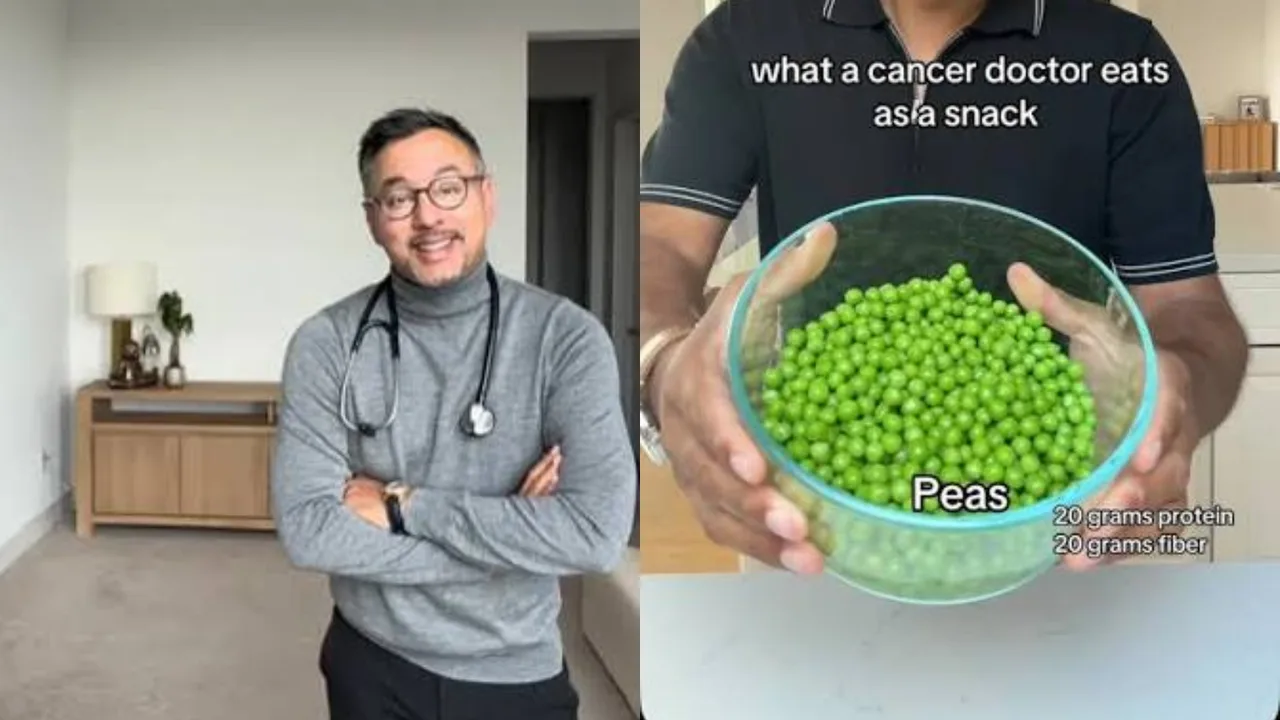
Oncologist Amit Garg's unusual snacks have sparked heated discussions on social media. Especially his unorthodox way of consuming frozen peas caught the attention of many.
45-year-old Dr. Garg stated that he loves frozen peas and emphasized that such vegetables can have the same nutritional value as freshly picked produce. His video about snacks went viral on the internet, with nearly 30,000 people reacting to it.
The doctor consumes peas in three different ways. In the first option, frozen peas are placed in a wine glass, and parmesan cheese, butter, and salt are added to them. In another method, the peas are mashed to make a dip and spread on a piece of bread. In the third option, the peas are mixed with Greek yogurt, feta cheese, mint, and olive oil.
Dr. Garg also likes to add butter to vegetables and fruits. This habit even applies to prunes. Some internet users were surprised by the high calorie content of such a snack.
Nevertheless, the doctor defends his choice. He says that studies show fresh and frozen peas have similar indicators in terms of protein, fiber, vitamin C, and B-group vitamins.
"Frozen vegetables are a good alternative and they last longer," the doctor, who has 63,000 subscribers, told the Need To Know publication.
Butter is high in saturated fats and can increase cholesterol levels. Although olive oil is considered a healthier alternative, Dr. Garg points out that butter can give vegetables an extra flavor and make them easier to consume.
However, his recipe didn't appeal to everyone. Comments like "No, not the peas," "Where is the butter?" and "Prunes with butter?" were left behind. Some, on the other hand, approved of the idea and expressed their love for peas.
Among Dr. Garg's other favorite snacks are nuts, Greek yogurt, berries, apples, hummus, and vegetables like cucumbers.
As a cancer doctor, he warns against misinformation about nutrition on the internet. He stated that it is wrong to believe claims that certain products "feed" cancer or that a single product can prevent the disease.
"Diet is not that simple. It doesn't have to be perfect, focus on long-term healthy habits," the doctor said.
He recommends having enough protein, fruits and vegetables, whole grains, legumes, and nuts in the diet, while limiting highly processed foods. He also noted that a fiber-rich diet is associated with a reduced risk of colorectal cancer.


Comments 0
…