


“They are losing in a very bad shape”: Trump rejects peace deal offered by Iran
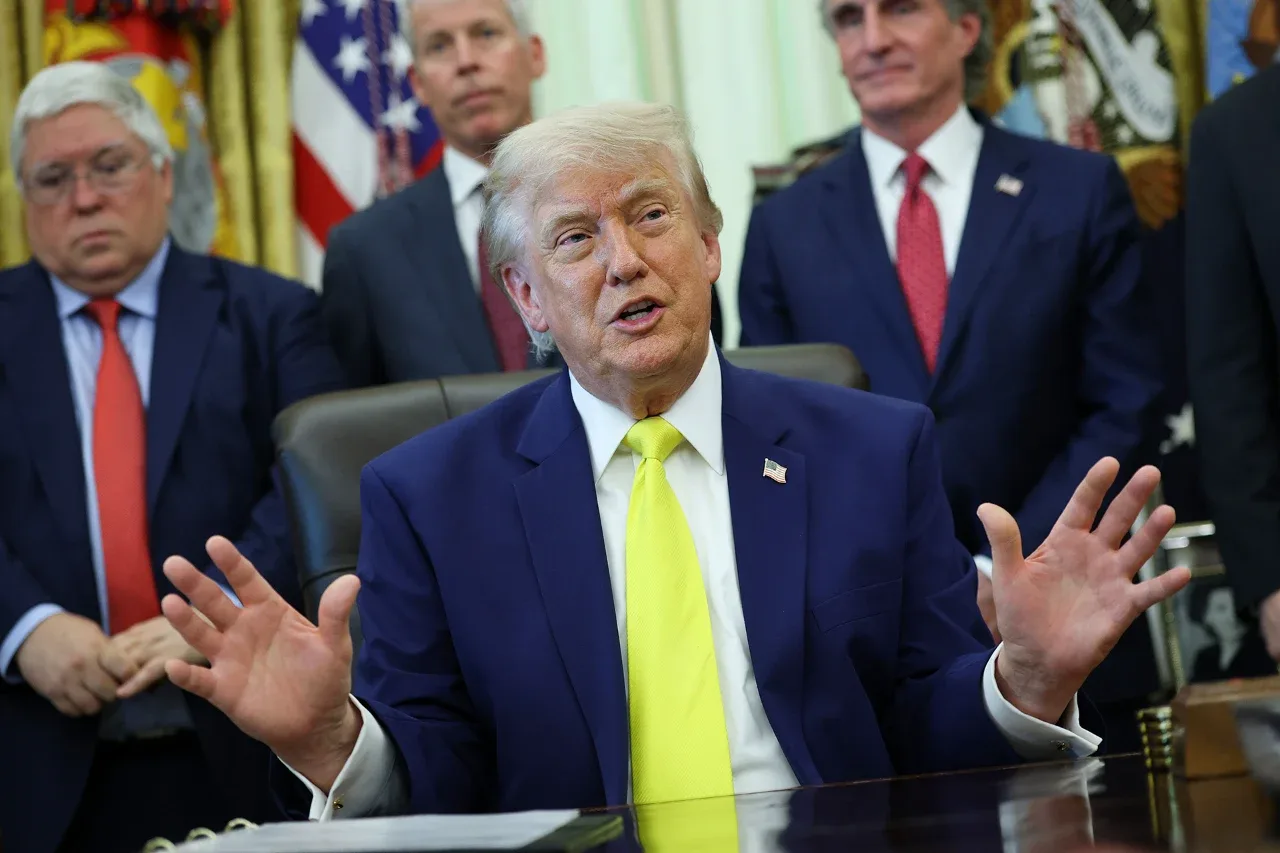
Geopolitical tensions in the Middle East have escalated to a new phase with unexpected diplomatic clashes. US President Donald Trump openly stated that he has sharply rejected the latest peace proposal put forward by official Tehran, which envisaged opening the Strait of Hormuz. The White House leader emphasized that the Iranian side is trying to forge an urgent deal because it is currently in a difficult military and economic situation and suffering a serious defeat. "They want to reach an agreement to open the Strait of Hormuz because they are losing in a very bad shape. I love making deals, but this agreement they are offering is completely unacceptable to us," Trump stated.
Earlier, the Iranian Foreign Ministry announced on the sidelines of the UN General Assembly that it had sent a special proposal to Washington via mediating countries to open the strategically important Strait of Hormuz within seven days. However, such a rejection from Washington has further heightened uncertainty surrounding the global oil market and the military balance in the region.
«The Strait of Hormuz, the 7-day deadline and Trump's «no» response»: 5 key points of the diplomatic conflict
The most important facts from the latest wave of negotiations between the US and Iran:
Trump officially rejects the deal: The US President stated that the peace proposal put forward by Iran does not meet Washington's conditions;
Tehran's 7-day proposal: The Iranian Foreign Ministry initiated opening the Strait of Hormuz within a week through intermediaries on the sidelines of the UN summit;
«They are losing very badly»: The White House leader explained Iran's pursuit of an agreement by their strategic weakening and defeat;
The Strait of Hormuz — the main lever: The issue of the strait, which is a vital artery of world oil trade, has become the main bargaining chip for both sides;
Washington's new demands: The US administration is not limited to simply opening the strait, demanding a broader and fully conditioned deal bordering on capitulation.
Confrontation between the US and Iran: Comparison of proposal and rejection
Comparison of the parties' official views and conditions regarding the Strait of Hormuz:
Indicators and criteria | Iranian side's proposal (via UN) | Donald Trump and US position |
Main goal and initiative | Reopening the Strait of Hormuz within a 7-day period | Non-acceptance of the proposal, complete rejection of the agreement |
Negotiation channel | Intermediaries within the UN General Assembly | Open press and harsh White House statements |
Assessment of the situation | Diplomatic compromise and attempt to ease tensions | «Iran is losing in a very bad shape and remains desperate» |
Attitude towards the deal | Rapid and short-term decisive agreement | «I love deals, but these terms are unacceptable» |
Level of geopolitical pressure | Exercising pressure through the closure of the strait | Strategy of further increasing military and sanctions pressure |
Potential consequence | Hope for the restoration of trade routes in the region | A new and harsher stage of escalation in the Middle East |
Geopolitical and energy expertise: Why didn't Trump accept Iran's proposal?
Conclusions of international political scientists, military analysts, and oil market experts:
«Maximum pressure and exploiting weakness»: Trump perceived Iran's urgent proposal as a sign of Tehran's weakening; the US leader is employing the tactic of imposing maximum political and economic surrender conditions on his rival rather than making an easy deal when the opponent is in a difficult position;
Global risk of the Strait of Hormuz: Nearly 20 percent of the world's seaborne crude oil passes through the Strait of Hormuz; preventing Iran from bargaining by opening or closing this strait is a matter of strategic prestige for Washington;
The «7-day deadline» trap: The promise to open the strait within seven days under the UN framework is believed to be needed by Iran to buy time, temporarily ease sanctions pressure, and regain strength, which is why the White House assessed this condition as dangerous.
In your opinion, could Donald Trump's rejection of the peace deal with Iran trigger even larger clashes in the Middle East? How do you think this conflict around the Strait of Hormuz will affect world oil prices and the economy? Leave your personal thoughts in the comments and share this analysis of the sharp turn in grand geopolitics with everyone interested!



Comments 0
…