


Vladimir Norov Explained Why Central Asia Should Not Choose One Side
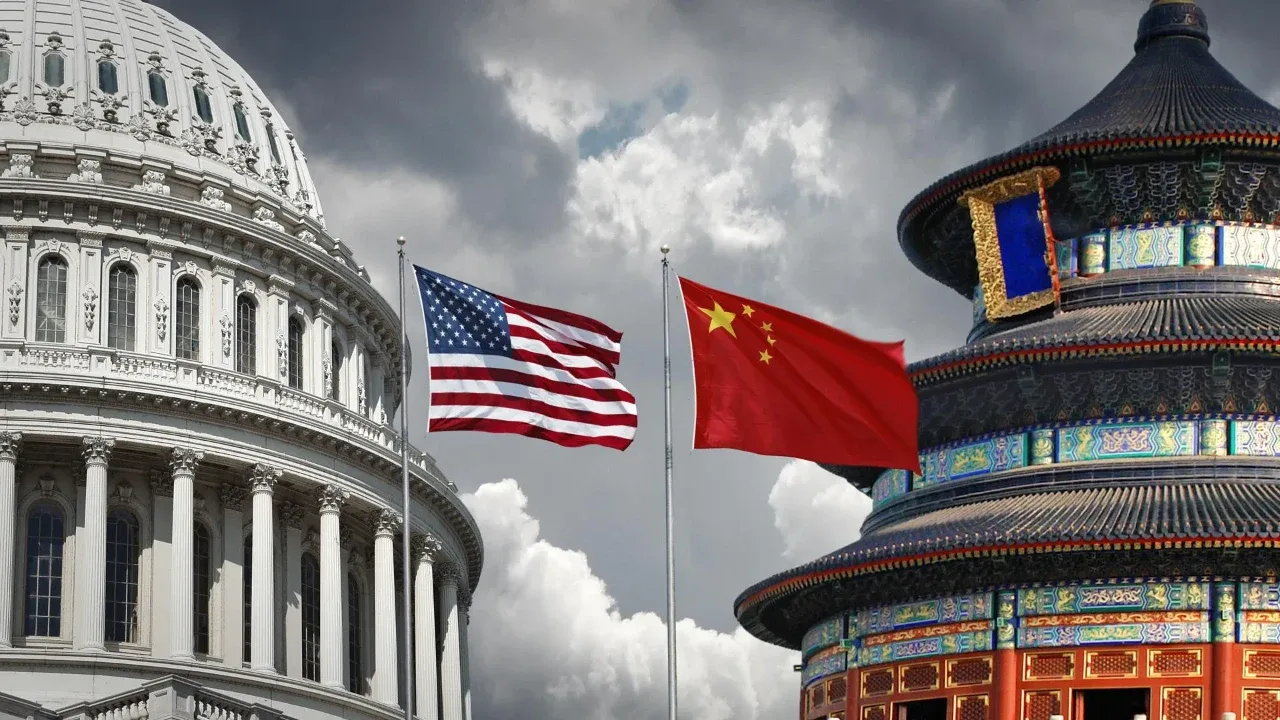
At a time when global competition between the US and China in artificial intelligence, microchips, and high technologies has reached a new peak, the issue of geopolitical and technological choice is becoming increasingly critical for the countries of Central Asia. Former Minister of Foreign Affairs of Uzbekistan Vladimir Norov, in an article published by the influential Spanish international analytical platform Atalayar, deeply analyzed the role and strategic position of the region's countries in this struggle.
According to the diplomat's main thesis, against the backdrop of the escalating technological confrontation between Washington and Beijing, choosing only one side is completely disadvantageous from a strategic and economic perspective for Central Asian countries, including Uzbekistan.
Protection against total dependence: A comprehensive partnership network
Vladimir Norov emphasizes that Uzbekistan is accurately assessing the risks of technological and financial monopoly in its foreign policy:
Diversification of investments: Along with effectively utilizing China's large investments and innovative developments, official Tashkent is consistently developing strong partnership relations with the USA, the European Union, South Korea, Japan, Turkey, and the Gulf monarchies;
Eliminating dependency: Such a comprehensive foreign policy serves to prevent the country's digital infrastructure and economy from becoming overly dependent on a single external force or partner;
Practical benefit: For the region, abstract political slogans are secondary to concrete practical results — projects such as building data centers, expanding computing power, and training national specialists.
The formula of "Balanced Technological Diplomacy"
The author puts forward the concept of "balanced and multi-vector technological diplomacy" as the most optimal path for Uzbekistan's national development:
Preserving economic reality: Tashkent must sustainably continue trade, economic, and production relations with the PRC, as Chinese technologies are of vital importance to the Global South due to their affordability and convenience;
Advanced cooperation with the West: At the same time, it is necessary to strengthen ties with the US and Western countries in the direction of advanced high technologies and innovations;
Critical digital security: Ensuring that the country's vital digital systems, public administration, and defense infrastructure are not handed over exclusively to the control of a single state or foreign corporation is the primary criterion of sovereign security.
Choice, not independence: National interest comes first
The final and main conclusion of the former minister's article is that posing a sharp "either-or" choice such as "US or China?" to Uzbekistan today is an incorrect approach.
Tashkent's main task is not to run away from the arena of competition between geopolitical and technological giants, but to productively use this struggle in the interests of the national economy and to preserve the country's strategic and technological independence.



Comments 0
…