


The Region on the Verge of Thirst: Central Asian Glaciers Are Melting...
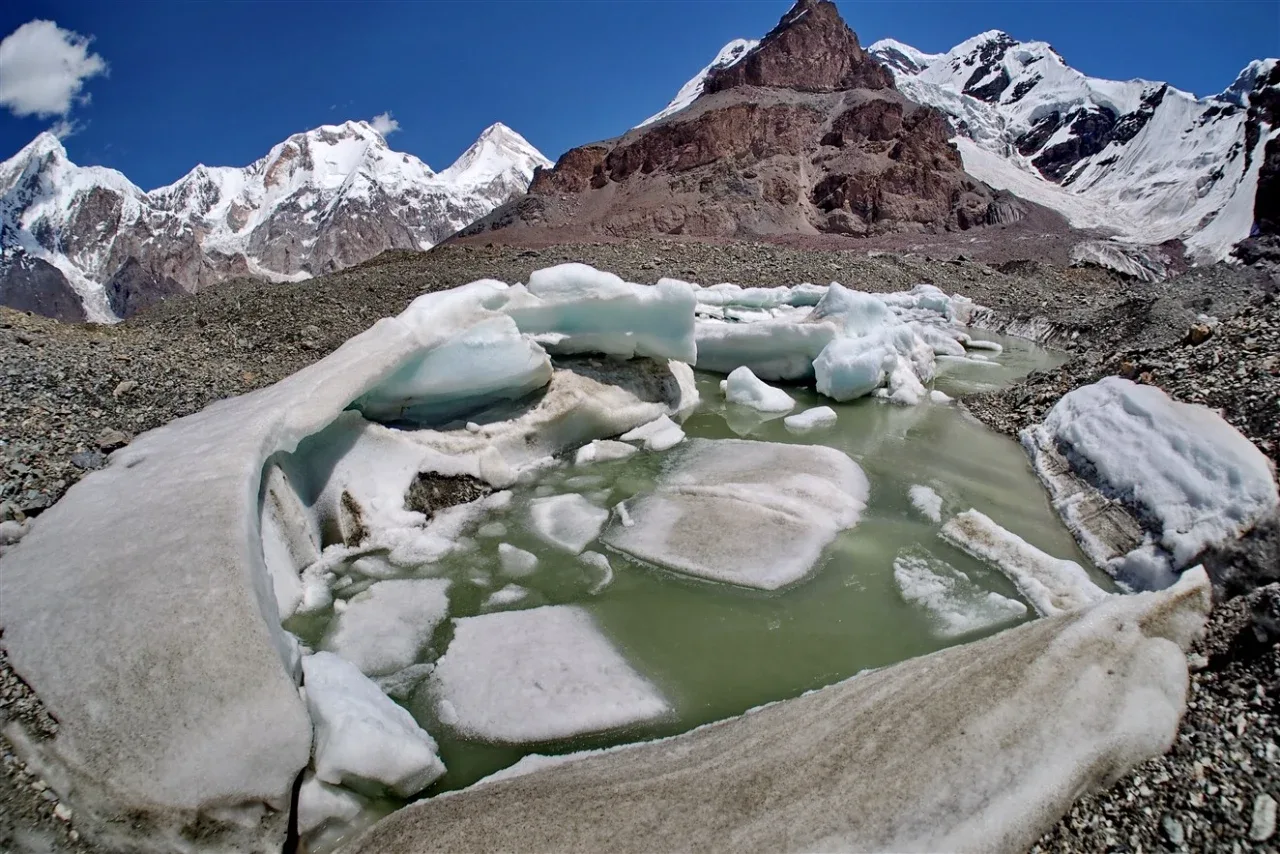
The Central Asian region, and Uzbekistan in particular, faces a serious threat of water scarcity and climate crisis in the near future. According to a new catastrophic report published by the World Meteorological Organization (WMO), fresh water reserves and mountain glacier mass in our region are shrinking at an alarming rate. In recent years, the volume of water flowing into reservoirs in Tajikistan, Uzbekistan, Kyrgyzstan, and Afghanistan has decreased significantly.
The situation has reached an extremely alarming level, particularly in the basins of the Amu Darya and Syr Darya rivers, which are the main lifeblood of the region's life and agriculture: the glaciers in the mountains are losing much more ice than they are accumulating. The figures are daunting — over the past 5 years alone, mountain glaciers have lost a staggering 6.2 percent of their mass. Considering that more than 50 percent of the river runoff in Central Asia is formed precisely by the melting of mountain snow and glaciers, this process will deal a direct blow to the population's drinking water supply and food security in the coming years.
So, how will the 6.2% melting of glaciers affect the water supply of fields and cities in the regions of Uzbekistan, what consequences will the Aral Sea basin face, and can this ecological disaster be stopped?
"6.2% Loss of Glaciers and Emptying Reservoirs": Key Facts from the WMO Report
Important figures and analyses published by international meteorologists and climatologists:
6.2% of ice mass lost in 5 years: The rate of melting of glaciers in the high mountain ranges of Central Asia has far outpaced the possibility of natural regeneration;
50%+ of water runoff at risk: More than half of the two major rivers in the region — the Amu Darya and Syr Darya — are fed precisely by this meltwater from ice and snow;
Deficit in reservoirs of four countries: Water inflows into major strategic reservoirs in Uzbekistan, Tajikistan, Kyrgyzstan, and Afghanistan have sharply declined;
"Melting - then drying" cycle: Experts warn that although water levels may initially seem to rise in the early years due to glacier melt, reserves will soon deplete, leading to the shallowing and drying up of rivers;
Amu Darya and Syr Darya crisis: Millions of hectares of cultivated land and industrial sectors located in the river basins are facing the problem of water scarcity.
Central Asian Water Resources: Comparison of Glacier and River Conditions
Comparative indicators of hydrological changes in the region:
Indicators and Parameters | Previous Period (Natural Balance) | Past 5-Year Indicator (WMO Report) |
Condition of Glacier Mass | Snow accumulation and melting were equal | Ice mass decreased by 6.2% (Melting accelerated) |
Inflow Volume to Reservoirs | Stable and predictable runoff | Significantly decreased |
Main Impact Zones | Peripheral desert zones | Four countries in the Amu Darya and Syr Darya basins |
Source of River Feeding | Over 50% from snow and glaciers | Runoff is weakening due to ice sheet contraction |
Future Risk Level | Seasonal fluctuations | Chronic hydrological drought and water crisis |
Expertise in Ecology and Geopolitics: How Should Uzbekistan Protect Itself from Water Scarcity?
Main recommendations from international hydrologists and climate analysts:
Mass transition to water-saving technologies: It is necessary to immediately abandon the traditional old method of flood irrigation in fields and make drip and sprinkler irrigation technologies 100 percent mandatory;
Regional water diplomacy: Agreements on water distribution between Kyrgyzstan, Tajikistan, and Uzbekistan must be revised in light of the new reality of climate change, and the management of shared reservoirs must be strengthened;
Concreting canals and reducing losses: It is urgent to accelerate the concreting of internal water canals in Uzbekistan to save the 30-40% of water currently lost through filtration and evaporation along these waterways;
Assigning a financial value to every drop of water: Installing meters and tightening strict punitive measures to prevent the wasteful use of water by the population and industrial sectors is becoming a demand of the times.
This conclusion by the World Meteorological Organization clearly demonstrates that the water issue in Central Asia is no longer just a natural resource, but a core factor for the region's future and national security.
In your opinion, amidst the rapid melting of mountain glaciers and the shallowing of rivers, what measures should be taken first in Uzbekistan to conserve water? Are restrictions against water waste in fields working effectively enough? Leave your personal thoughts in the comments and share this critically important ecological warning affecting the life of the entire region with all your loved ones and compatriots!



Comments 0
…