


Longevity laboratory launched in Russia
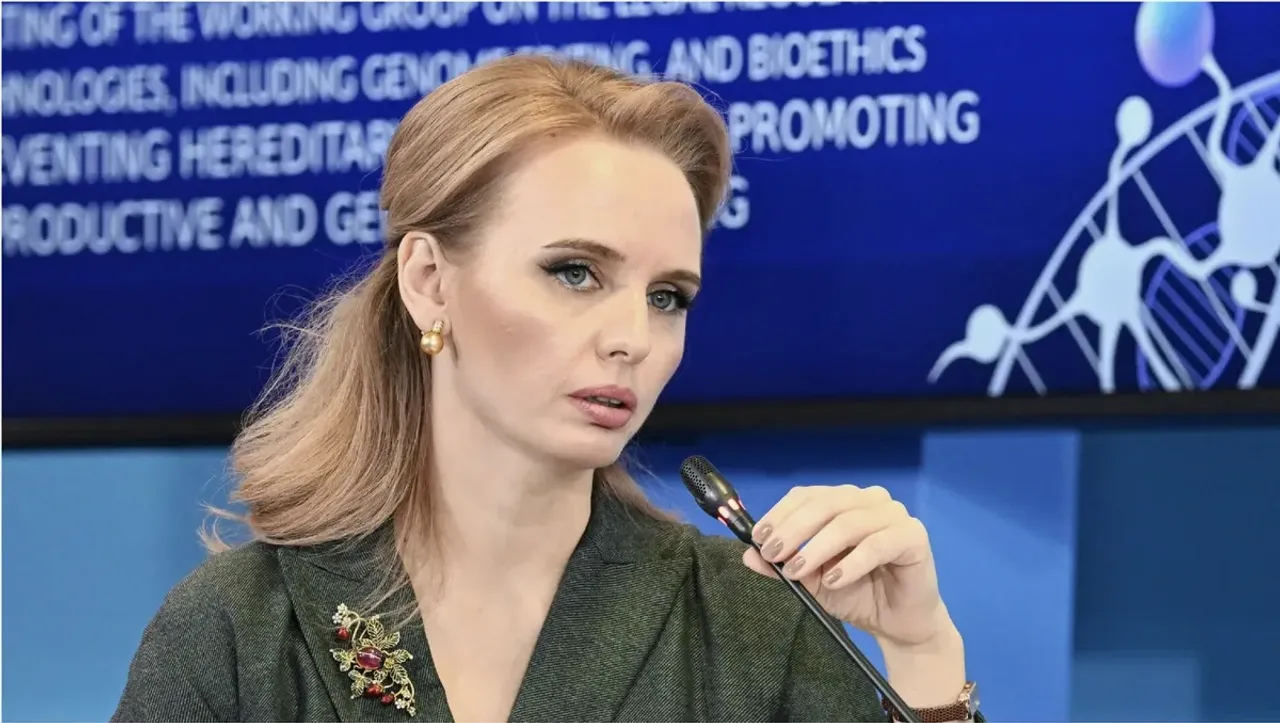
A laboratory has opened at the "Skolkovo" Moscow School of Management to study how human life extension impacts the economy, labor market, and public policy. Maria Vorontsova, daughter of Vladimir Putin and director of the Medical Scientific and Educational Institute at Lomonosov Moscow State University, also participated in the forum dedicated to its launch. This was reported by the "Vedomosti" newspaper.
Vorontsova proposed dividing longevity into two stages. In her view, the first stage involves fully utilizing natural life potential through a healthy lifestyle, proper nutrition, and regular medical check-ups. She estimated this potential at 85–90 years.
The second stage is associated with exploring the possibilities of surpassing the natural limits of human life with the help of science. Vorontsova described this process as "cheating God or nature." At the same time, she noted that scientific achievements in this direction are currently limited.
Vorontsova suggested that over the next 10–20 years, humanity's fear of death could prompt the healthcare system to seek solutions to the problem of aging. She noted that the fact that aging is not officially recognized as a disease also complicates the development and clinical trials of drugs against it.

At the same time, scientific research aimed at combating the aging process is underway in Russia. In particular, work is being done on preparations designed to affect certain age-related cellular changes. Russian Deputy Prime Minister Tatyana Golikova earlier stated that the production of anti-aging drugs is planned to be established in 2028–2030. However, this does not mean that a remedy to stop aging has already been created.
The new laboratory in "Skolkovo" will study the aspects of longevity related to medicine, demography, economics, and strategic management. Based on the research, recommendations are expected to be developed to improve the quality of life of the elderly and address the challenges arising from increased life expectancy.
The Russian government aims to increase the country's life expectancy to 78 years by 2030 and to 81 years by 2036. According to the country's announced indicators for 2025, this figure stood at 73.4 years.


Comments 0
…