


In Australia, turning the deceased into soil has been legally permitted
An unusual alternative method to traditional burials is being introduced in Australia. A law has been passed in the state of New South Wales allowing the deceased to be turned into fertile soil through a special process. According to the new regulations, the population will be able to use this method starting from 2028.
As reported by The Sydney Morning Herald, this initiative aims to offer a cheaper and more environmentally friendly alternative to traditional burial and cremation. The bill was put forward by independent MP Alex Greenwich.
How is the deceased turned into soil?
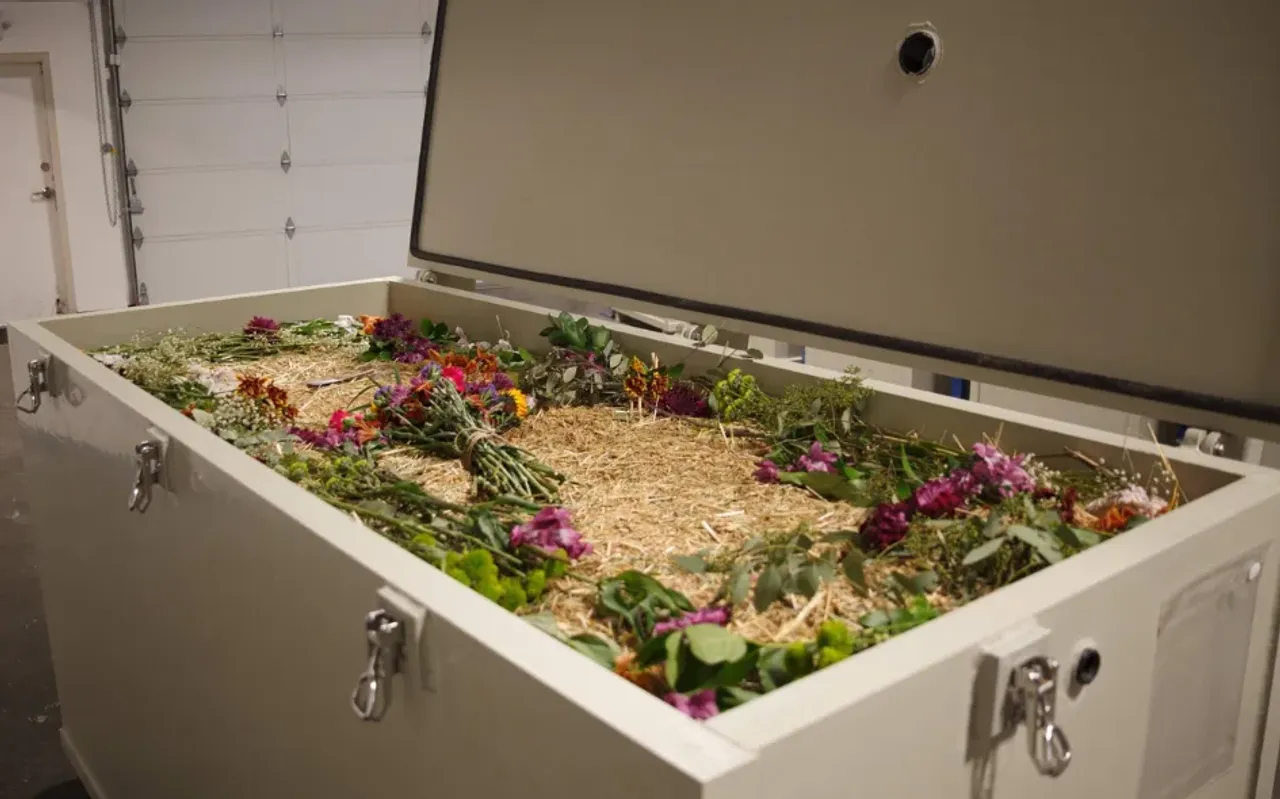
This method is called terraforming or human composting. In the process, the body of the deceased is placed in a special airtight container along with natural materials such as straw, hay, and flower petals.
Air circulation is maintained inside the container for 40–60 days. As a result, organic matter decomposes, producing fertile soil that can be used for growing plants. The finished product is handed over to the relatives of the deceased.
Why did the need for this method arise?
Supporters of the new burial method emphasize several of its advantages. First, such a process does not require allocating a separate plot of land in a traditional cemetery. This is important in areas where space for cemeteries is running out.
Second, terraforming can emit fewer greenhouse gases compared to cremation. Additionally, this method is expected to be cheaper than a regular funeral. It is noted that traditional funeral expenses in Australia can reach up to $50,000.
When will the new regulations come into force?
Plans are underway in Australia to establish special licensed centers that meet sanitary and environmental requirements to provide this service. They are expected to be operational by 2028.
This decision is evaluated as one of the first steps toward legalizing this burial method in Australia and the Southern Hemisphere. Globally, human composting is already permitted in certain US states and the Schleswig-Holstein region of Germany.


Comments 0
…