


Emergency chaos in European skies: 25 planes grounded, “code 7700” alert in the air
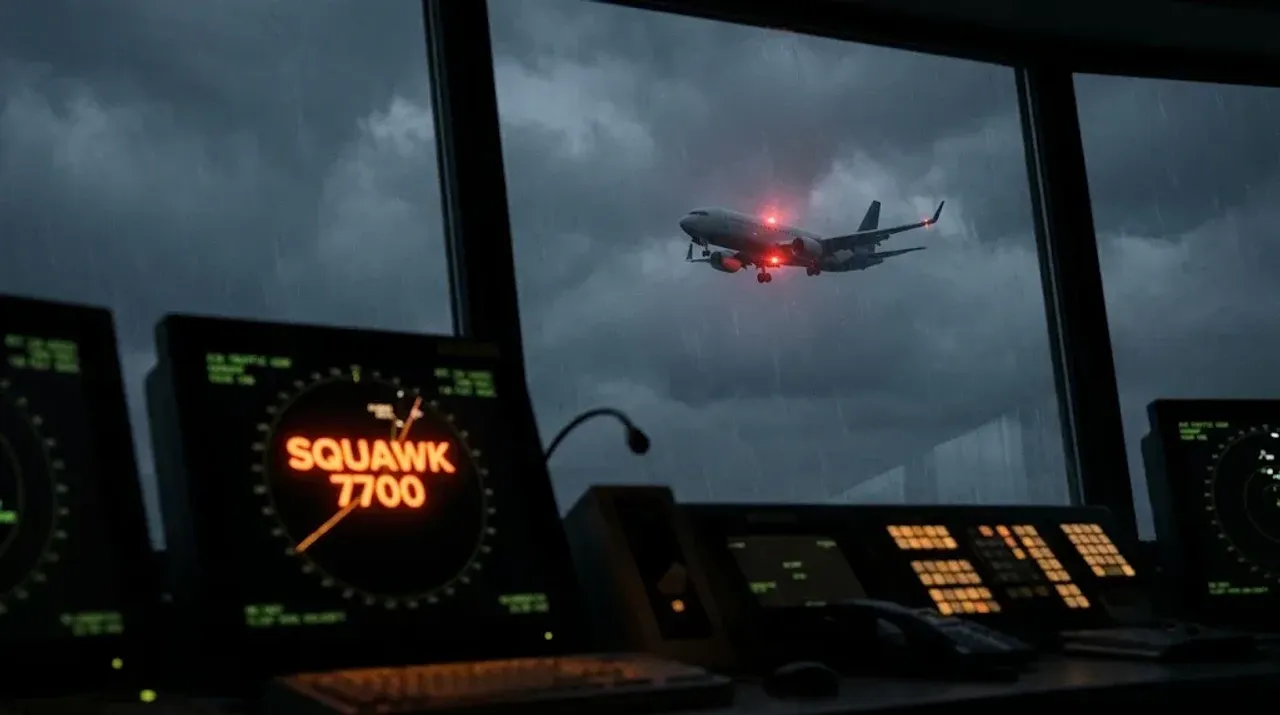
A large-scale and coordinated wave of false bomb threats in European airspace has disrupted air travel across the continent. Dozens of passenger planes were forced to change course after activating emergency distress signals in the air.
Italy's influential Repubblica newspaper, citing aviation authorities, reported that a total of at least 25 passenger flights received warnings about explosive devices on board. Most of them made emergency landings at unplanned airports.
In-flight alert and emergency landing in Venice
Anonymous threats created a critical situation, especially on routes involving Italy and Central Europe:
9 flights linked to Italy: Nine of the threatened aircraft were directly connected to Italian airports;
Wizz Air plane changes course: After receiving a report that an explosive device had been placed on board a Hungarian Wizz Air low-cost carrier flying a scheduled route from Prague to Rome, the crew abruptly changed course and made an emergency landing at Venice airport. The aircraft, all passengers, and luggage were thoroughly inspected by special services;
Emergency signal over Paris (Squawk 7700): An Airbus A321-251N liner that took off from Lisbon activated the international emergency distress signal — code 7700 — indicating a non-standard situation on board as it approached Paris;
Threat on a Romanian flight: A similar alert signal was transmitted by a Boeing 737-8H6 liner of a Romanian airline flying from Prague to Bucharest. The aircraft was forced to descend under the supervision of rescue and emergency services.
«This is a well-planned hybrid attack»: Who is behind the chaos?
European security forces and aviation safety experts emphasize that the incident is not just random harassment:
Targeted instability: The simultaneous mass threats are said to be a coordinated hybrid operation aimed at creating chaos and panic in the European Union's critical transport infrastructure;
Letters from radical groups: According to information provided by Rome airport, some of the threatening messages were sent via email on behalf of radical groups intending to disrupt the situation in European skies;
International investigation: Currently, police and special services from several European countries are conducting a joint investigation to identify the source of these messages.
This wave of false reports has demonstrated the vulnerability of the continent's transport system to psychological pressure and "telephone terrorism," causing massive logistical and financial losses for airlines.



Comments 0
…