


Dubai–Tel Aviv Flight Lands Safely in Saudi Arabia: Why Was a “Hijacking” Signal Sent?
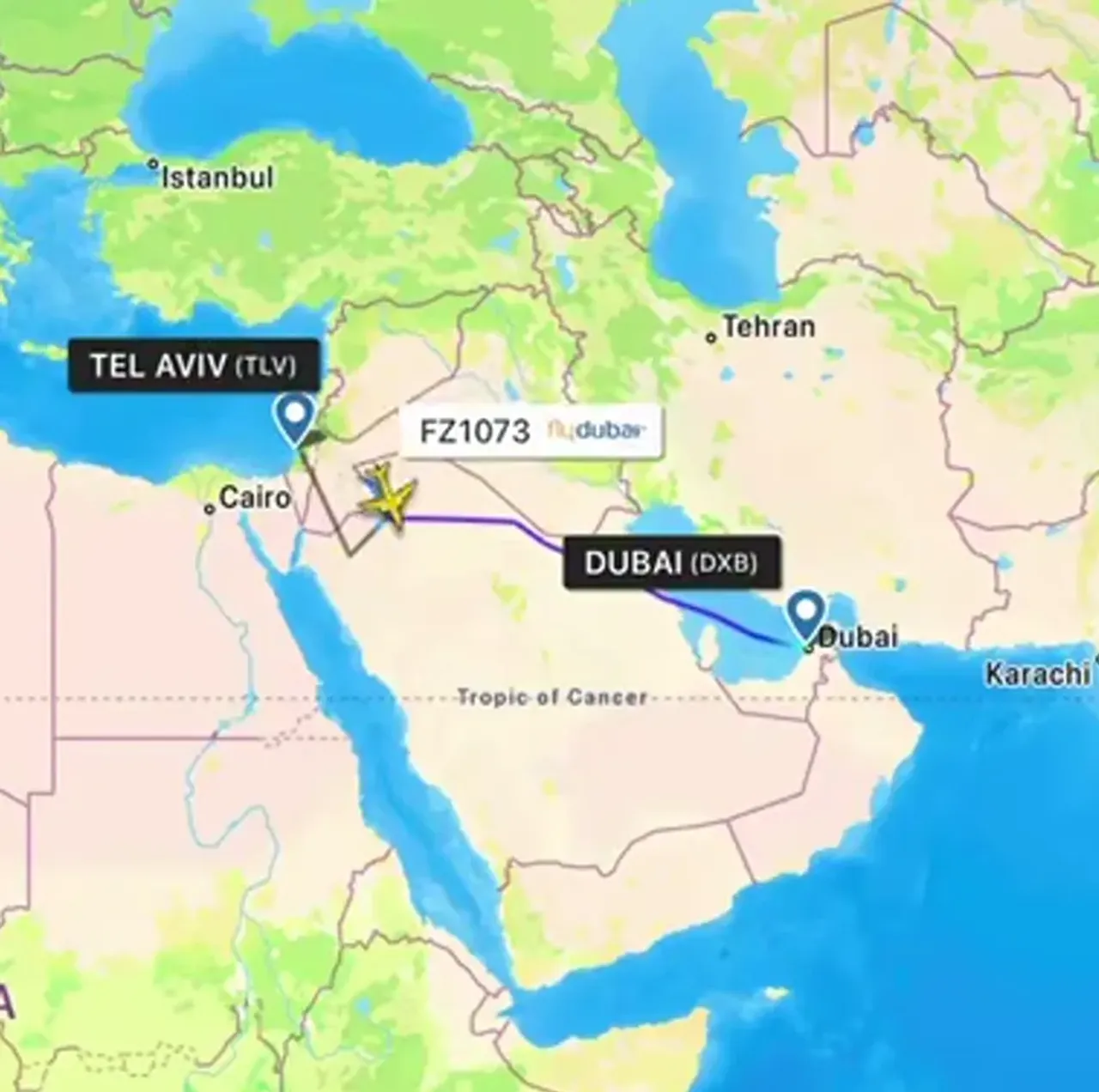
The alarming situation involving a FlyDubai passenger airliner flying from Dubai to Tel Aviv, which caused serious airborne concern over the Middle East, ended happily: the aircraft landed safely and soundly on the territory of Saudi Arabia. According to initial prompt information, the emergency signals that put international aviation services and military fighters on high alert were actually transmitted not due to an aircraft hijacking, but following an internal disagreement and dispute in the pilot's cockpit.
As the plane was descending, the crew first sent the "7700" code indicating a general emergency, and then the special "7500" signal signifying unlawful interference or hostage-taking. It was reported that all passengers and crew members on this flight, which carried a total of 180 passengers, including about 100 Israeli citizens, are safe.
“Safe landing in Saudi Arabia, cockpit dispute, and the mystery of the 7500 code”: 5 key points of the incident
The most important facts regarding the true causes of the emergency on the FlyDubai flight:
Safe landing in Saudi Arabia: Following the alarming signals, the aircraft was landed without incident at an airport on Saudi territory;
Not a hijacking — pilot dispute: According to preliminary investigation conclusions, the emergency codes were triggered by a conflict between the pilots inside the cockpit;
Two dangerous signals in a row: The crew first issued a general alert (7700) and then a hijacking code (7500), putting the region on alert;
180 passengers survived: The lives of 180 people on board, including about 100 Israelis, faced no danger;
Possibility of armed attack ruled out: Checks by dispatchers and security services confirmed there was no terrorist or external invasion on board.
Chronology of the Dubai–Tel Aviv emergency flight and signal classification
An analytical table regarding the chain of events on the aircraft, the meaning of the codes, and the landing outcomes:
Analysis criteria and stages | Recorded situation and technical data | True cause and consequence of the situation |
Airliner and flight route | FlyDubai Boeing 737 (FZ1073 / FDB1549), Dubai — Tel Aviv | Changed route and turned towards Saudi Arabia |
First signal: Squawk 7700 | General emergency (technical/emergency issue on board) | Tension began in the cockpit while the plane was descending |
Second signal: Squawk 7500 | Unlawful interference / Hostage-taking and hijacking | The dispute escalated, and the special code was entered into the transponder by mistake or intentionally |
Contingent on board | 180 passengers (approximately 100 of them Israeli citizens) | No one was injured, panic subsided |
Emergency landing location | Saudi Arabia airport (in safe mode) | The airliner landed under the control of special services |
Primary official version | Mutual conflict of the crew (pilots) inside the aircraft | Service inspection and investigative actions regarding the situation have begun |
Aviation safety and psychological expertise: What danger does a dispute in the pilot's cockpit pose?
Conclusions of international civil aviation experts, pilot-instructors, and security analysts:
“CRM (Crew Resource Management) crisis”: In modern aviation, the psychological environment inside the cockpit is the basis of flight safety; any argument between pilots can distract attention and pave the way for a disaster; however, sending the “7500” (hijacking) signal that worries the whole world after a quarrel is a sign of a grave professional crime and extreme irresponsibility;
Saudi Arabia's decision amid a sensitive geopolitical background in the Middle East: The smooth and safe landing of an Arab airline's aircraft with 100 Israelis on board in Saudi Arabia once again demonstrated that human life is above any politics; Saudi aviation authorities immediately granted a runway to the aircraft, preventing a potential severe tragedy;
Serious investigation and risk of license revocation: FlyDubai and international aviation organizations will conduct an uncompromising investigation into this incident; cockpit voice recorders (Black Box) will be reviewed; if it is confirmed that the dispute and signal were triggered intentionally or emotionally, the guilty pilots will not only be fired from the airline, but will inevitably be deprived of their pilot certificates for life and face criminal liability.
How do you think pilots who have the fate of hundreds of people in their hands should be punished for starting such a dispute in the air and giving a hijacking signal? How do you assess the safe landing of the plane carrying 100 Israelis in Saudi Arabia? Leave your personal opinions in the comments and share this unprecedented sensational incident analysis in world aviation with everyone!



Comments 0
…