


Determining the quality of sausage and cottage cheese at home: A method to expose fake products
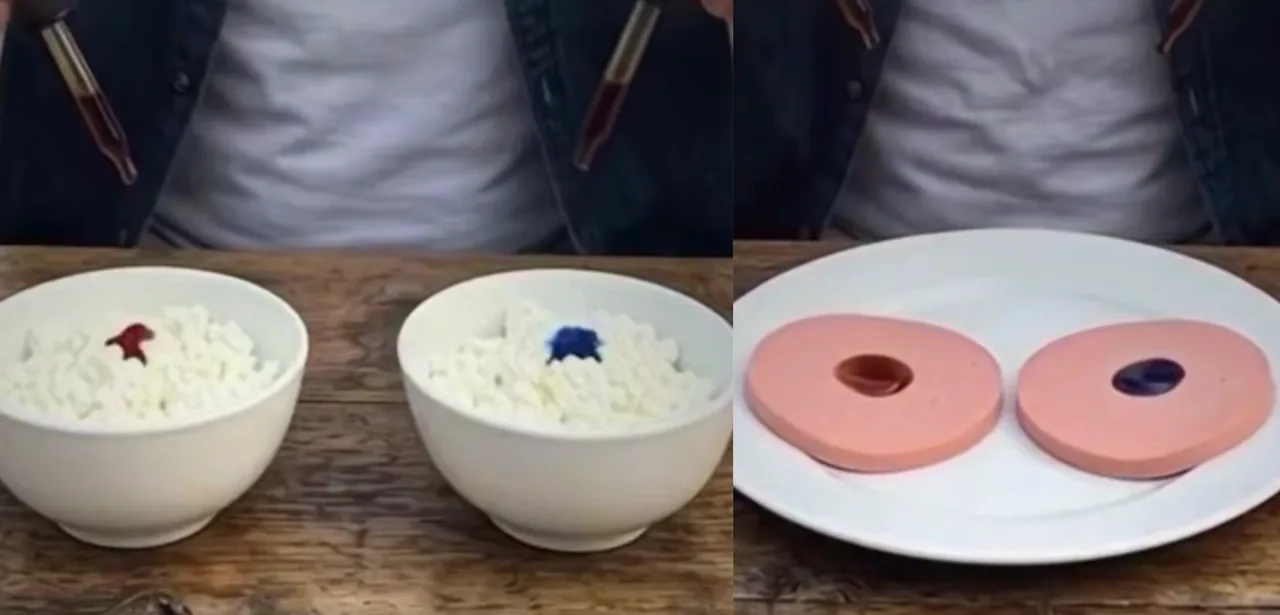
One of the biggest problems consumers face in the daily consumer market remains the issue of the true composition and quality of food products. Some unscrupulous manufacturers use the practice of mixing various chemical additives and cheap starch instead of natural components in order to reduce costs and artificially increase the weight of the product. However, experts note that complex laboratory conditions are not required to determine whether sausage and cottage cheese products purchased from a store are pure or counterfeit — the truth can be exposed within seconds using regular pharmacy iodine.
If a drop of iodine on a piece of sausage retains its natural brown color, it indicates the presence of real meat in the product; conversely, if it turns a dark blue hue, it means there is almost no meat in the composition and it consists of starch fillers. Similarly, if a blue or purple color is formed when iodine is dropped on cottage cheese, it proves that starch has been added to the product as an artificial weight enhancer, and if the color does not change, it is a pure dairy product.
"A drop of iodine, color reaction, and the exposure of a fake product": 5 key points of the test
The most important practical facts regarding the home-based test:
Instant result: Product quality is determined in 5 seconds using just a single drop of pharmacy iodine;
Blue color in sausage is a sign of counterfeiting: If the spot where the iodine fell turns blue, the product consists of starch and additives rather than meat;
If it remains brown — quality meat: If the iodine retains its original color, it means the sausage contains a sufficient amount of real meat;
Hidden starch in cottage cheese: A blue or purple hue exposes that starch has been mixed in to increase the cottage cheese mass;
Healthy family choice: This simple method allows consumers to distinguish fraudulent brands and protect children's health.
Food quality control: Comparison of iodine test results for sausage and cottage cheese
Table for analyzing product condition through the iodine reaction:
Tested product | Reaction after dropping iodine | Original composition and quality of the product |
Sausage (Quality) | Color does not change (remains natural brown) | Real pure meat product is present |
Sausage (Low quality) | Quickly turns blue or dark turquoise | Almost no meat, cheap starch and artificial filler |
Cottage cheese (Natural) | Iodine's own brown/yellowish hue is retained | Starch-free, natural milk protein and fat |
Cottage cheese (Counterfeit) | Turns blue or dark purple | Starch artificially mixed in to increase weight |
Food safety expertise: Why do manufacturers add starch?
Conclusions from food technologists, dietitians, and quality control specialists:
"Chemical reaction of starch and iodine": As known from school chemistry courses, when iodine encounters starch, it binds with amylose molecules to form a dark blue-purple complex; this reaction exposes with one hundred percent accuracy whether even a particle of soy or potato starch has been added to the product;
Manufacturer's trick and profit: Starch absorbs moisture and doubles the weight of the product; since the cost of cottage cheese obtained from 1 kilogram of milk or sausage made from pure meat is high, product weight is falsified using cheap starch;
Negative health consequences: Cottage cheese is a product that should provide calcium and protein to the human body; consuming hidden starch instead of protein increases blood sugar, causes obesity and gastrointestinal problems.
How do you check the quality of the sausage and dairy products you buy in daily life? Have you ever tried the method of detecting fake starch at home using a drop of iodine? Leave your personal feedback and experience in the comments and widely share this useful lifehack to protect the health of family members and friends!



Comments 0
…