


Bill Gates’ Grim Warning: The Global Catastrophe That Artificial Intelligence Could Trigger
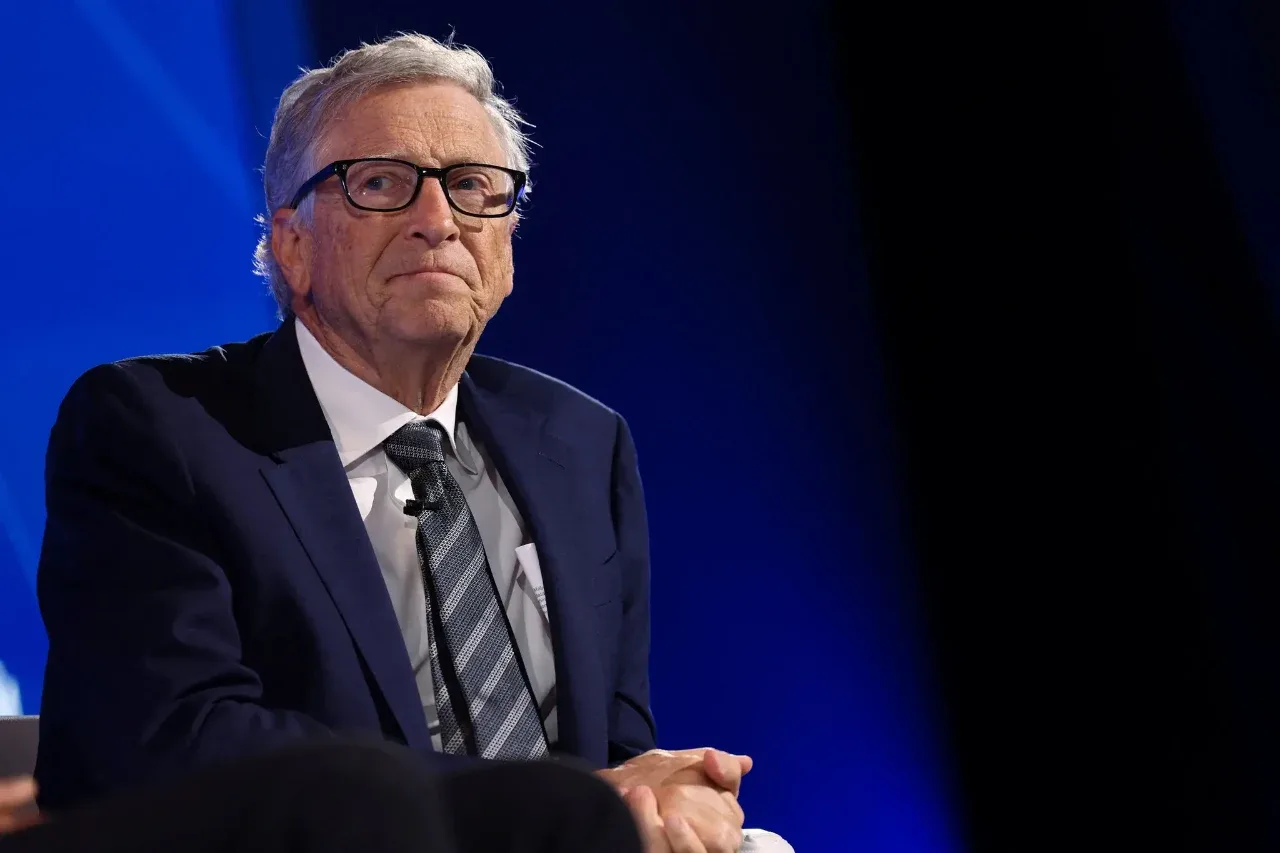
Bill Gates, one of the primary pioneers of the tech world, co-founder of Microsoft, and one of the world's most influential philanthropists, has issued a stunning statement regarding the development of artificial intelligence (AI). The billionaire warns that the uncontrolled and excessively rapid advancement of AI risks sparking an unprecedented chain of global catastrophes that could claim the lives of nearly one billion people on Earth in the future.
Gates emphasizes that if this technology slips out of humanity's control or falls into the wrong hands, it could lead to severe biological, cyber, and economic disasters. Consequently, the Microsoft co-founder urged the U.S. government to take immediate action and pass special legislation without delay to strictly regulate mechanisms for developing and utilizing AI while guaranteeing safety.
«The threat of 1 billion casualties, strict laws, and Gates's alarm»: 5 key points of the statement
Key facts from Bill Gates's sensational warning:
One billion lives at stake: Gates stated that disasters resulting from AI development could cause the deaths of such a massive number of people;
The threat of losing control: The attainment of complete autonomy by AI systems or their use as weapons threatens global stability;
A firm call to the U.S. government: The billionaire urged the White House and Congress to adopt special laws to regulate tech giants;
Disruption of the old balance: Artificial intelligence has the power to upend not only the labor market but also the biological and physical security of humanity;
No future without state oversight: Gates stated that leaving AI development to voluntary corporate ethics is a major mistake.
The Prospect of Artificial Intelligence: Comparison of Absolute Development and Potential Threats
Classification of current technological benefits versus the risks warned by Gates:
Criteria and Parameters | Positive Promises of AI Development | Global Risks Noted by Bill Gates |
Impact on Human Life | Accelerating medicine, education, and industry | Catastrophes threatening the lives of 1 billion people |
Control Mechanism | Currently mostly internal codes of IT companies | Demand for mandatory state-enacted laws |
Source of Danger | Technical errors and system outages | Cyberweapons, biological threats, and autonomous decisions |
Political and Legal Requirement | Voluntary standards and recommendations | Establishing strict restrictions through U.S. legislation |
Future Timeline | Endless conveniences in the near future | Irreversible consequences if control is lost soon |
Technological and Global Security Expertise: How Could AI Kill 1 Billion People?
Conclusions of IT experts, futurologists, and security analysts:
«Biosafety and synthetic virus risks»: Alongside creating new medicines, artificial intelligence programs possess the capacity to design catastrophic and incurable new biochemical weapons; the misuse of such knowledge could lead to global pandemics;
Management of nuclear and cyber systems: If state defense and energy systems, water treatment plants, and power grids are handed over to AI control, a single critical error or algorithmic glitch in the system risks plunging entire continents into disaster simultaneously;
Lagging legislation: Technologies are developing by the second, but legislative bodies are failing to regulate them legally; Gates is deeply concerned that this very legal vacuum will lead to a major tragedy.
In your opinion, is Bill Gates's statement that one billion people could perish due to artificial intelligence a real threat or an exaggeration of the situation? Will humanity be able to maintain complete control over artificial intelligence? Leave your personal thoughts and opinions in the comments and widely share this important warning so that all our contemporaries can stay alert!



Comments 0
…